
Gemz Daily Combo: Features, Benefits & Subscription Guide
Stay updated with Gemz Daily Combo 📱—a smart data & voice plan for busy Nigerians. Discover features, subscription tips & how to connect affordably every day 📞💡
Edited By
Emma Whittaker
The major daily combo is a staple meal widely embraced in Nigerian urban areas for its affordability and convenience. Found across bustling cities like Lagos, Abuja, and Port Harcourt, it represents more than just food—it captures the rhythm of daily life and the resilience of Nigerian city dwellers.
Typically, the combo includes a carbohydrate base like rice, yam, or amala, paired with proteins such as beans, fish, or meat stew, and accompanied by a vegetable or salad. For example, the popular 'rice and beans with dodo (fried plantain)’ combo from Lagos remains a favourite among office workers and traders alike. This meal blend satisfies hunger quickly without breaking the bank, making it a go-to option for millions.
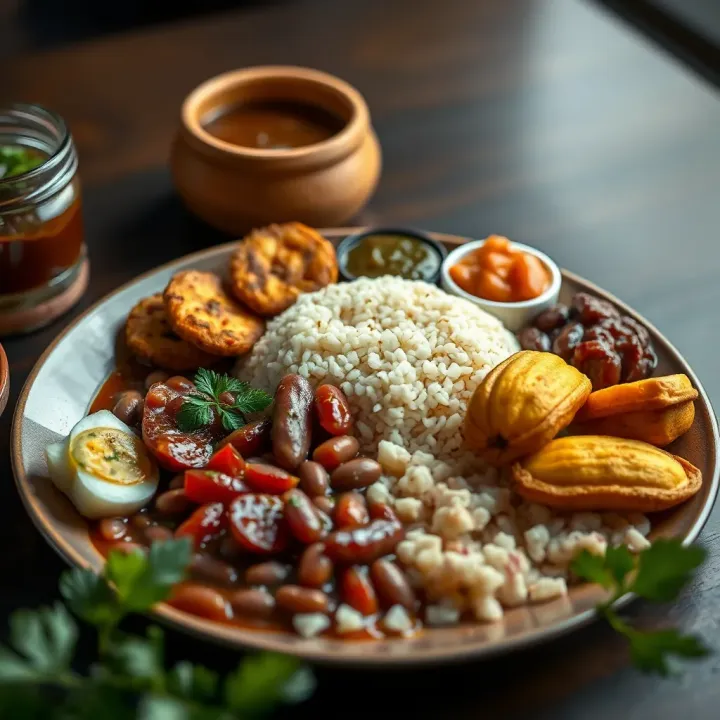
The major daily combo balances cost, nutrition, and convenience, reflecting the needs of Nigeria’s urban working class.
Understanding the components of this meal sheds light on its cultural significance. Each ingredient reflects regional influences and local preferences. In the southwest, the inclusion of ewedu and gbegiri soup alongside amala offers a distinctly Yoruba flavour, while in the southeast, the combo may lean towards fufu with vegetable soup. This diversity highlights Nigeria’s rich culinary tapestry woven into everyday sustenance.
From a nutritional perspective, the major daily combo serves as a balanced meal with carbohydrates, proteins, and vitamins from vegetables. Yet, the quality depends greatly on where one buys the meal. Street vendors, known as mama puts, often prepare these combos fresh at affordable prices between ₦300 and ₦700. However, health-conscious consumers might prefer reputable eateries or food delivery apps guaranteeing quality and hygiene.
For traders and investors in Nigeria’s food sector, major daily combos present lucrative opportunities. The demand for quick, affordable meals remains high, especially with increasing urbanisation. Small-scale entrepreneurs have thrived by specialising in authentic daily combos, tapping into loyal customer bases.
In summary, the major daily combo is more than a meal—it’s a cultural and economic thread in Nigeria’s urban fabric, serving as a reliable source of nutrition and business opportunity. Exploring its varieties and impact offers practical insights for those invested in Nigeria’s fast-moving consumer goods and food services markets.
The major daily combo is a staple meal choice commonly found in Nigerian cities and towns, cherished for blending affordability with convenience. Many Nigerians rely on it for daily sustenance, especially when time or resources don’t allow elaborate cooking. Understanding what exactly makes up this combo and why it resonates with the masses offers valuable insights for traders, investors, and entrepreneurs aiming to tap into this significant food market.
Generally, the major daily combo combines a carb base with a protein side and a drink. Common staples include rice or beans, often served alongside plantain or yam. The protein might be stewed chicken, fish, or beef, usually prepared with traditional spices and sauces. For example, in Lagos, a daily combo might be white rice, fried plantain, dodo (fried plantain slices), and a soft drink, while in other parts of Nigeria, options like beans porridge or amala with ewedu and stew may feature. The drink typically rounds off the meal with options ranging from soft drinks like Coca-Cola to local choices such as zobo or kunu.
Nigeria's diversity shines through in the regional differences of the combo. Up north, the combo could feature tuwo masara (corn-based swallow) with miyan kuka (baobab leaf soup) alongside meat. The south-west might serve amala and ewedu, while the south-east leans towards dishes like fufu with nsala soup. These variations reflect local agricultural produce, cultural preferences, and available proteins, impacting price and demand dynamics across regions. Retailers and caterers must account for these regional tastes when planning inventory or menus.
Nigerians often operate on tight daily budgets, making meals that offer substance without breaking the bank essential. The major daily combo typically costs between ₦500 and ₦1,500 in urban centres, delivering reasonable calorie intake and flavour. For workers and students juggling expenses, this meal offers both satisfaction and economic sense.
City dwellers face long commutes and demanding schedules. The major daily combo fits well into this lifestyle by providing a filling meal that can be eaten quickly, often served in convenient locations like 'mama puts' or local eateries near markets, offices, and transport hubs. It's practical for those who need to eat on the go or during short breaks. For entrepreneurs and investors, recognising this convenience factor highlights where business opportunities lie in food service.
The major daily combo’s blend of affordability, cultural relevance, and convenience underpins its continued popularity, making it an important focus for food-related investments and business strategies across Nigeria.
By appreciating the typical items and regional differences, as well as the meal’s practical appeal to Nigerians, stakeholders can better respond to the evolving demand and consumer needs within Nigeria’s vibrant food service sector.
The Major Daily Combo thrives on a balance between staple carbohydrates and proteins, paired with drinks that complement the hearty meal. Understanding these components is vital for traders and investors interested in Nigeria's food sector because it highlights what drives consumer preferences and how businesses can align product offerings with demand.
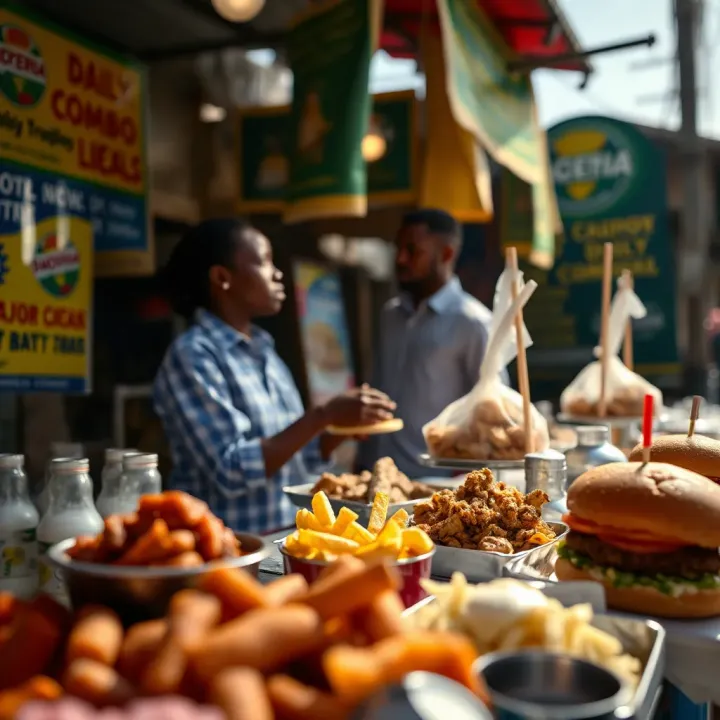
Beans, rice, and plantain form the carbohydrate backbone of most Major Daily Combos. Rice, especially jollof or white rice, serves as a filling base while beans offer a protein punch and fibre. Fried or boiled plantain adds variety and satisfies those who prefer something less starchy but sweet. These choices are practical for vendors because they combine affordability with satiation, keeping customers returning daily. For example, in Lagos and Ibadan, the combo often includes jollof rice and fried plantain, whereas in the Southeast, white rice paired with beans (waakye style) is more common.
Typical meat or fish accompaniments balance taste and cost considerations. Chicken, beef, or goat meat are usual proteins, though fried fish (especially catfish) is a popular alternative in coastal and riverine states. These proteins not only enhance the flavour but also provide essential nutrients that support a well-rounded diet for many Nigerians. For entrepreneurs, this variety allows adapting to different customer preferences and regional tastes, making the combo highly versatile.
Soft drinks remain a common choice, especially carbonated beverages like Coca-Cola, Pepsi, or local brands such as La Casera. They offer sweetness and refreshment that cuts through the richness of the meals. However, local beverages like zobo (hibiscus drink) and kunu (a millet-based drink) provide healthier, culturally embedded alternatives that many customers prefer for their natural ingredients and lesser sugar content.
Seasonal favourites and budget drinks also influence purchasing decisions. During the hot seasons, chilled soft drinks spike in demand, while in the colder months, warm drinks like ginger tea or hot cocoa gain popularity. For budget-conscious consumers, sachet water and locally prepared drinks offer affordable hydration options that suit daily consumption without straining wallets. This understanding helps investors predict sales patterns and supports decisions about inventory and pricing strategies.
The Major Daily Combo’s strength lies in how its components—staple foods and pairing drinks—reflect Nigerian tastes, budgets, and regional diversity, making it a reliable choice for both consumers and business stakeholders.
Key carbohydrates: rice, beans, plantain
Common proteins: chicken, beef, goat meat, fried fish
Popular drinks: soft drinks, zobo, kunu
Seasonal trends affect drink preferences
Knowing these details enables traders and entrepreneurs to tailor their offerings to local markets effectively, supporting growth in Nigeria’s vibrant food economy.
Understanding the nutritional value and health effects of the major daily combo is essential, especially for Nigerians who rely on it as a regular meal due to its affordability and convenience. While it is a favoured choice in many urban and semi-urban areas, knowing what goes into the combination helps consumers make informed decisions to maintain a balanced diet.
The major daily combo typically includes a significant portion of carbohydrates, mainly from staples like rice, beans, or plantain, providing the main energy source. Proteins often come from meat, fish, or legumes included, which aid in muscle repair and overall body function. The fat content varies depending on the cooking method—frying increases fat levels, especially saturated fats, which should be moderate.
For example, a combo featuring jollof rice, fried plantain, and beef stew might provide roughly 600 to 800 calories, with carbohydrates making up about 60–70%, proteins around 15–20%, and fats the rest. These values can fluctuate widely based on portion sizes and preparation methods. Traders or entrepreneurs supplying such combos can use this knowledge to educate vendors about healthier preparation options.
Common issues include excess carbohydrates and fats, predominantly from fried items, paired with insufficient dietary fibre and micronutrients. This imbalance can lead to energy surges followed by fatigue, weight gain, and increased risk of lifestyle-related illnesses. Deficiencies in vitamins and minerals like calcium, vitamin A, or iron are also common, given the typical lack of vegetables or fruits in the combo.
At roadside eateries or 'mama puts', making healthier choices is possible with awareness. Opting for grilled rather than fried proteins or asking for smaller portions of starchy carbs can reduce excess calories. Vendors should be encouraged to diversify offerings by including affordable vegetable sides like steamed spinach (ewedu) or fresh tomatoes to improve nutrient intake.
Incorporating fruits and vegetables complements the combo nutritionally and balances blood sugar levels. Practical additions include sliced cucumbers, garden eggs, or seasonal fruits like pawpaw and oranges, which are often available nearby. This approach improves digestion and provides essential vitamins. For investors or analysts, supporting initiatives that promote such nutritional upgrades among food vendors can create new business opportunities and enhance public health.
The major daily combo remains a pillar in Nigerian food culture, but its nutritional quality depends on thoughtful preparation and wise consumer choices.
By recognising these nutritional components and potential health impacts, Nigerians can continue enjoying their beloved combos while staying mindful of wellbeing. Traders and entrepreneurs are likewise positioned to influence healthier eating habits by innovating and offering balanced meal options.
Street food vendors and local eateries form the backbone of the major daily combo economy. These small-scale businesses operate prominently in urban and semi-urban areas, especially in places like Lagos, Abuja, and Port Harcourt. Mama puts and local canteens offer affordable meals packed in simple combinations that attract office workers, market traders, and students alike. Their accessibility and location near busy transport hubs or markets make them the go-to option for many Nigerians who need quick and filling meals.
The significance of these vendors extends beyond food provision. They stimulate local economies by sourcing ingredients like rice, beans, yams, and fresh vegetables from farmers and markets. This local sourcing supports agro-businesses and supply chains in surrounding communities.
Moreover, the major daily combo market generates income and employment for many Nigerians. From cooks, servers, to delivery persons and suppliers of raw materials, countless individuals earn their living through participation in this value chain. For example, a mama put selling daily combos in Ojota, Lagos, often employs assistants during peak hours, creating jobs that otherwise might not exist.
This dimension is key in Nigeria’s informal sector, which accounts for a large portion of national employment but often goes unrecognised in formal statistics. The affordability and turnover of these combos create a steady cash flow that keeps small businesses afloat, even amid economic challenges like inflation and fuel scarcity.
The major daily combo is deeply integrated into Nigerian social life. Its affordability and convenience make it a popular choice not just for individuals but for groups who gather to eat anywhere from offices to roadside spots. Sharing a combo meal after a day’s work or during lunch breaks has become a familiar social ritual that fosters community bonding and casual interaction.
In many ways, the combo is more than just food; it’s part of daily routines and social norms. It reflects local tastes and preferences, with meal combinations varying across regions yet serving the same social function. For instance, in Southwest Nigeria, a combo might feature amala and ewedu alongside a protein, while in the Southeast, jollof rice with fried plantain is more common.
In communal and work environments, the major daily combo supports productivity by providing affordable and quick nutrition. Employees in government offices, banks, and trading centres depend on these meals for sustenance without disrupting tight schedules. Similarly, construction workers and artisans consume the combo to maintain energy during long hours on site.
This accessibility ensures that all layers of society, from clerks to artisans, can access affordable nourishment that fits within their limited time and budgets. In a way, the major daily combo bridges economic divides, sustaining the workforce that drives Nigeria’s urban economy.
Small-scale food vendors selling major daily combos do more than meet hunger—they generate employment, maintain social rhythms, and support local supply chains vital to Nigeria’s economy.
Street vendors provide accessible options for quick meals.
They create jobs within informal local economies.
The combo is a social staple for communal gatherings.
It fuels productivity in diverse work settings.
Understanding these impacts highlights the combo’s role beyond nutrition, positioning it as an essential economic and cultural element in Nigerian life.
Knowing where to find a quality major daily combo is key for anyone wanting to enjoy this staple without compromising on taste, nutrition, or safety. Across Nigeria, especially in big cities like Lagos, Abuja, and Port Harcourt, this meal is served in various places—ranging from street-side mama puts to popular local eateries. Each location brings its own flavour and style, but spotting the right spot makes all the difference.
Recommended eateries and street vendors often include well-known local joints near commercial hubs and busy markets. In Lagos, places like Yaba, Ikeja, and Surulere host numerous eateries well-loved for their major daily combos, catering to office workers and traders. Street vendors around Ojota and Mushin equally attract crowds thanks to their quick service and affordable prices. In Abuja, areas like Wuse and Garki feature small-scale restaurants where the food is fresh and freshly prepared, balancing convenience with quality. These vendors often benefit from high foot traffic, which helps ensure turnover; fresh meals are served regularly rather than sitting out for long.
Price ranges and service styles vary depending on location and vendor type. Mama puts typically charge between ₦500 to ₦1,200 per combo, making them budget-friendly options. More formal eateries or local chains might ask ₦1,200 to ₦2,500 but offer seating, cleaner environments, and wider menu choices. Service styles range from quick grab-and-go setups by street vendors to sit-down service in small restaurants. For busy traders or investors who need a speedy meal, street vendors provide convenience without sacrificing essentials. Meanwhile, entrepreneurs seeking to entertain partners or clients might opt for places with a bit more ambiance and comfort.
Signs of freshness and safety in these meal setups include observing how the food is stored and handled. Fresh ingredients are stored in covered containers or refrigerators—not just sitting uncovered on dusty surfaces. Check whether the vendor changes gloves or uses utensils when serving; this reduces contamination risk. The smell also gives clear clues: fresh plantains, properly cooked rice or beans, and non-fishy odours from meat or fish indicate better quality. Avoid spots where flies swarm the food or where meals have been exposed to dust and pollution.
Choosing reputable vendors means relying on those with consistent customer traffic and good word-of-mouth. Places popular among office workers, market traders, or students typically suggest reliability. Vendors who maintain cleanliness around their stalls, provide disposable plates or well-cleaned reusable ones, and offer hot meals during peak times are usually trustworthy. Don't hesitate to ask locals or colleagues for recommendations—personal experience goes a long way in identifying quality. For serious investors or business people, checking if a vendor complies with local health regulations or has any visible support from regulatory bodies can assure extra safety.
Selecting where to get your daily combo impacts not just your enjoyment but your health and pocket. Quality and hygiene should never be secondary to convenience.
By knowing where to find these combos and how to evaluate them, you can enjoy a meal that's authentic, safe, and true to Nigerian food culture.
Budgeting for daily meals is essential for many Nigerians, especially considering the rising cost of food. Estimating daily and monthly food expenses helps you plan better and avoid overspending. For example, purchasing the major daily combo from a trusted mama put at ₦500 per meal means spending about ₦15,000 monthly if you eat it once a day. Knowing this allows you to allocate money wisely for other essentials without sacrificing quality meals.
Stretching your naira without compromising quality involves shopping smart and making informed choices. Buying components like beans, rice, or plantain in bulk from local markets can reduce your costs. Also, opting for combos with seasonal vegetables or locally sourced meats often brings down expenses. For entrepreneurs or traders purchasing food for staff, negotiating bulk deals or establishing relationships with reliable vendors helps maintain consistent quality while keeping costs manageable.
Simple recipes that complement the combo can improve nutrition and variety at low cost. For instance, cooking a simple vegetable stir-fry or boiling spinach to add alongside your combo adds fibre and vitamins. Preparing homemade tomato stew to pour over rice or beans is another affordable way to enhance flavour without extra expense. These small additions help balance tastes and offer greater satisfaction.
Incorporating variety to meet nutritional needs ensures that your diet is not just affordable but also wholesome. Rotate between different proteins like fish, chicken, or eggs alongside plant-based options in the combo. Adding fruits such as oranges or bananas as snacks supplements essential nutrients that the combo alone might lack. This approach benefits traders and investors mindful of health while managing busy schedules, ensuring energy levels remain steady through the workday.
Proper budgeting and conscious food choices around the major daily combo can help Nigerians maintain a balanced diet, save money, and support local food ecosystems effectively.
By managing costs smartly and combining the combo with simple home-cooked dishes, you make the most of your naira and nourish your body well without extra fuss or expense.
Stay updated with Gemz Daily Combo 📱—a smart data & voice plan for busy Nigerians. Discover features, subscription tips & how to connect affordably every day 📞💡
Discover the X Empire Daily Combo in Nigeria 🇳🇬: features, pricing, benefits, subscriptions, and tips to use this service smartly every day! 📱💡

Discover Bitcoin Cash (BCH) — a key crypto for Nigerians looking to trade, save, and spend beyond Bitcoin. Learn safe ways to buy, hold, and use BCH in Naija ₦ market. ₿💡

🔐 Understand derive login in Nigeria – learn its technical basis, real-life uses, and how to secure your data when logging in. Practical for developers & users.
Based on 11 reviews