
Understanding Copytrading for Nigerian Investors
📈 Learn how copytrading lets Nigerian investors mirror expert traders to grow wealth with less hassle. Understand benefits, risks & tips here!
Edited By
Henry Mitchell
Trading websites have become indispensable tools for Nigerian investors aiming to tap into the stock market, forex trading, and cryptocurrency. Navigating these platforms requires understanding their core features, risks, and how to align them with your investment goals.
Nigeria's growing interest in online trading, partly driven by the rise of fintech like Paystack and Flutterwave, means more platforms are emerging. However, not all are reliable or suited for every trader. Picking a platform is not just about choosing one with flashy charts or a packed order book; it involves assessing security, ease of use, regulation, and costs.

Regulation and Safety: Ensure the platform complies with Nigerian regulatory bodies such as the Securities and Exchange Commission (SEC). Unregulated sites may expose you to scams or unfair practices.
User Interface: A clean, intuitive interface helps you avoid costly mistakes. Platforms like Chaka or Trove offer user-friendly apps that suit both beginners and seasoned traders.
Market Access: Some sites focus on Nigerian stocks listed on the NGX (Nigerian Exchange Group), while others provide access to global markets and cryptocurrencies. Decide based on your investment interests.
Fees and Charges: Watch for hidden fees such as withdrawal charges or inactivity penalties. Even a small percentage can erode your profits over time.
Customer Support: Quick, reliable assistance is vital, especially when market conditions are volatile.
"Always verify a trading website’s credentials before committing funds. Nigeria’s online trading space has seen its share of scams, so cautiousness saves you trouble."
Trading platforms like Bamboo, Rise, and Quidax have gained traction due to transparency and integration with Nigerian banking systems. They let you trade in naira without unnecessary currency conversion fees.
While exploring these websites, be aware that high volatility markets like forex and crypto carry significant risks. Use practical strategies such as starting small, setting stop-loss orders, and keeping abreast of market news.
Choosing the right trading website can make a real difference in safeguarding your investments and improving returns. This guide will walk you through practical steps that every Nigerian investor should know for effective and secure online trading.
Grasping the concept and function of trading websites is essential for Nigerian investors looking to tap into stocks, forex, or cryptocurrency markets. These platforms serve as the digital bridge between market opportunities and your investment decisions, offering tools and access that were once only available through physical brokers.
Trading websites are online platforms that allow users to buy, sell, and manage financial assets over the internet. They provide real-time market information, trade execution, portfolio tracking, and sometimes educational material. For example, using a site like Chaka or Meritrade enables direct access to Nigerian Stock Exchange-listed equities without the need to visit a brokerage office.
These websites come in different forms, mainly:
Brokerage platforms: Connect you directly with the market to execute trades.
Market aggregators: Offer data and price comparisons but might not take trades.
Automated or algorithmic trading sites: Use bots to trade on your behalf based on programmed strategies.
Your choice depends on your trading style and experience. For a Nigerian investor new to online trading, a user-friendly brokerage platform with local payment options is often the starting point.
Trading websites often specialise according to market types:
Stocks: Buying shares on local or international exchanges.
Forex: Trading currency pairs like USD/NGN, catering especially to those involved in import/export or speculative trading.
Cryptocurrency: Platforms supporting Bitcoin, Ethereum, and altcoins, increasingly popular in Nigeria due to the growing digital economy.
Understanding which markets your chosen platform covers helps you align your investment goals with available opportunities.
With rising internet penetration and smartphone use, Nigerians have embraced online trading more than ever. Markets like forex and crypto attract young investors due to lower entry barriers. For instance, many from Lagos, Abuja, and Port Harcourt participate in forex trading via apps like Binance or FXTM.
Fintech firms have revolutionised access by integrating local payment systems, such as bank transfers, USSD codes, and mobile money wallets. OPay and PalmPay users, for example, can fund trading accounts seamlessly, improving convenience and reducing cash-handling risks.
Though digital platforms grow, many Nigerians still use traditional brokers for complex trades or advice. However, trading websites often partner with licensed brokers to combine tech ease with regulatory compliance. This hybrid model reassures investors about safety while providing quicker execution and better market data.
In sum, trading websites have become practical tools that bring markets closer to Nigerian investors, making trading more straightforward and safer than before. Choosing the right platform involves understanding their role and how they mesh with Nigeria’s unique financial environment.
A good trading website can either make or break your investment experience, especially for Nigerian investors dealing with local market peculiarities like intermittent internet and currency fluctuations. Choosing a platform with the right features helps ensure smooth execution, timely decision-making, and security for your assets.
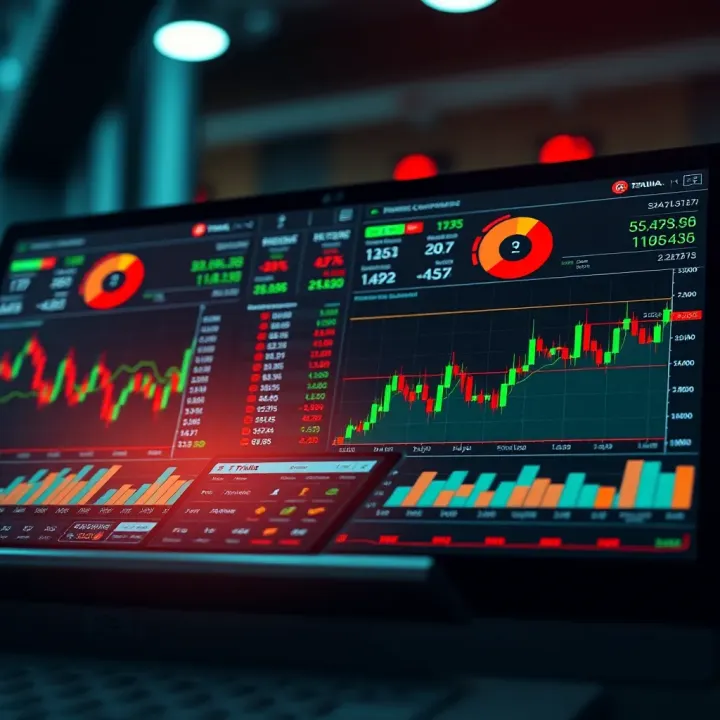
Trading platforms must offer seamless navigation on both desktop and mobile devices. Many Nigerian investors rely on smartphones due to limited access to computers. A cluttered or slow interface on mobile can lead to missed trading opportunities or costly mistakes. For instance, a platform that loads charts and order forms quickly on data-savvy phones — even when network strength is less than ideal — stands out. Similarly, desktop users benefit from platforms that let them switch effortlessly between market tabs or portfolio views without tedious loading times.
Every trader has a unique style, so a platform should allow users to personalise dashboards and settings. This might mean choosing preferred market watchlists, setting alerts for price levels relevant to your investment strategy, or tailoring chart indicators like moving averages or RSI. Customisable layouts help traders avoid distractions and focus on their edges. For example, some Nigerian investors like to keep tabs on both NSE stocks and crypto prices side-by-side. A platform that supports such views without forcing multiple logins makes a real difference.
Protecting sensitive information remains a top priority, especially as cybercrime grows in Nigeria. Encryption ensures all data exchanged—like login details and transaction orders—is scrambled, making interception by fraudsters harder. On top of that, two-factor authentication (2FA) adds a second layer, usually a time-sensitive code sent via SMS or emailed. This extra step drastically reduces the chances of unauthorised access, even if passwords leak.
Given naira’s volatility and restrictions on foreign transactions, your platform’s payment methods matter a lot. Trusted websites provide options that integrate smoothly with Nigerian banks, allowing deposits and withdrawals via bank transfer, popular payment gateways like Paystack or Flutterwave, or even USSD codes. A site that delays fund transfers or imposes arbitrary charges can cost extra and disrupt trading. Reliable platforms keep this process transparent and fast.
Access to up-to-the-minute information is vital for making sharp moves. Real-time data streaming means prices update instantly, unlike delayed quotes that can mislead. This applies not only to stocks on the Nigerian Stock Exchange (NSE) but also forex and cryptocurrencies which fluctuate rapidly. Clear, interactive charts with drawing tools help you spot trends or reversals quickly without needing third-party software.
For many Nigerians stepping into online trading, educational materials are priceless. Quality platforms provide articles, videos, and webinars covering basics, strategy development, and market analysis. Research tools like company financials, earnings reports, and analyst ratings allow deeper dives into assets before committing funds. This empowers traders and reduces rash decisions driven by hearsay or hype.
Some platforms offer automated trading, where you set conditions to buy or sell without manual intervention. For example, you might programme a bot to purchase shares once a stock dips to a target price or to exit crypto holdings on profit triggers. In the Nigeria context, this helps traders manage multiple markets and time zones more effectively, plus it avoids losses caused by delayed order entry during busy ember months when distractions peak.
Taking time to pick a trading website that ticks these key feature boxes not only boosts your confidence but also enhances your chances of consistent success in Nigeria’s dynamic markets.
Choosing the right trading website is more than just picking a platform that looks sleek or has flashy features. For Nigerian investors, the decision directly impacts your trading costs, security, and even the ease with which you access support. Trading websites vary widely in fees, regulation, and customer care, so knowing what to look out for can save you from costly mistakes and frustration.
One of the first things to consider is the cost structure, especially spreads and transaction fees. The spread is the difference between the buying and selling price, and this can significantly affect your profit margin over time. For example, some forex platforms might advertise zero commission but make up for it with wider spreads. Conversely, stock trading platforms linked to the Nigerian Stock Exchange (NSE) typically charge commissions varying between 0.3% and 1%, impacting small investors more severely. Comparing these costs among platforms helps you pick one that aligns with your trading volume and style.
Hidden fees are another pitfall. Some trading sites charge withdrawal fees, inactivity fees if you don't trade within certain periods, or even transfer fees when moving funds. These may not be obvious at the start but can quickly add up. For instance, a platform might offer free deposits but charge ₦2,000 per withdrawal, which is steep given local banking charges. Always read the fine print and ask for a full breakdown of fees before committing.
Regulatory approval by bodies like the Securities and Exchange Commission (SEC) Nigeria is not just bureaucratic formalism; it acts as a safety net for traders. Platforms registered with SEC must follow specific rules designed to protect investors, including the segregation of client funds and transparent reporting. Trading on unregistered sites increases your exposure to fraud and unsettled disputes.
Verifying authenticity means checking if a platform is registered with the relevant Nigerian authorities or reputable international regulators. You can often confirm this on the SEC Nigeria website or through industry watchdogs. Some platforms might claim legitimacy but lack verifiable credentials, signalling red flags. Authentic platforms typically display registration numbers and offer physical office addresses in Nigeria, increasing trust.
Having local customer support can make a huge difference, especially when technical or payment issues arise. Platforms with Nigerian support lines or chat services understand local banking systems and currency peculiarities better than international-only services. For example, some platforms provide support in local languages or during Nigerian trading hours, which is a big advantage.
The speed at which problems get fixed is equally critical. Quick response times prevent missed trades or capital delays, which are costly in volatile markets. Look for platforms with live chat, email, and phone support that operate full-time or at least during Nigerian market hours. Also, customer reviews often reveal how effectively a platform handles complaints and queries, an insight you won’t find in marketing materials.
Selecting a trading website that balances affordable costs, proper regulation, and responsive customer service is key to thriving as a Nigerian investor. Investing time in this selection upfront pays off handsomely over your trading journey.
Trading websites that Nigerians can access play a major role in widening investment opportunities. These platforms provide a bridge between Nigerian investors and a variety of markets, ranging from equities listed on the Nigerian Stock Exchange (NSE) to global forex and cryptocurrency markets. Understanding which websites cater specifically to Nigerian traders — including their features and trustworthiness — is key for making informed investment choices.
NSE-Integrated Brokerages
Platforms integrated with the Nigerian Stock Exchange allow investors direct access to local equities and securities. Such websites connect you to stocks, bonds, and ETFs listed on the NSE, making it easier to trade with local currency and regulation compliance. Examples include GTI Securities and Meristem Online, which provide seamless trade execution and portfolio management focused on Nigerian assets.
These brokerages often offer additional local market insights, like real-time NSE data, dividend calendars, and corporate action alerts. For Nigerian investors looking to tap into the local capital market, these integrated platforms remove common barriers such as unfamiliar international brokerage requirements and currency conversion hassles.
Features and User Reviews
NSE-integrated platforms tend to feature mobile-friendly interfaces, customer support in Nigerian time zones, and payment options linked to Nigerian banks. User reviews frequently highlight ease of funding accounts through bank transfers or mobile money, plus transparency around fees.
Investors should study feedback on platform stability, withdrawal processes, and customer service responsiveness. Platforms that show strength in these areas provide added confidence and smoother trading experience, which is especially important given the occasional naira volatility and local internet challenges.
Global Platforms with Nigerian Userbase
Many Nigerians join global platforms like Binance, ForexTime (FXTM), and IQ Option that support forex and crypto trading. These platforms attract Nigerian investors by offering wider market choices and advanced trading tools not always available on local websites.
These sites allow Nigerians to trade currency pairs, commodities, indices alongside cryptocurrencies like Bitcoin and Ethereum. However, due to regulatory grey areas in Nigeria, it is crucial to confirm each platform’s compliance and closure policies before depositing funds.
Considerations for Crypto Trading
Cryptocurrency trading holds huge appeal in Nigeria, but risks like price volatility, scams, and regulatory uncertainty persist. Popular crypto exchanges that service Nigerians include Binance, Luno, and Quidax, which offer NGN deposit options, P2P marketplaces, and wallet safeguards.
When choosing a crypto trading website, investors should verify KYC compliance, encryption strength, and reputation for rapid withdrawal processes. Given the ongoing debates on crypto regulation by the Securities and Exchange Commission (SEC) Nigeria, staying updated on guidelines will help avoid locked funds or sudden bans.
Mobile Apps and USSD-Based Platforms
Fintech companies have introduced mobile apps and even USSD codes that simplify trading for Nigerian investors with limited internet or smartphone access. Platforms like Cowrywise, Piggyvest, and Chaka allow investors to buy stocks or invest in ETFs directly from their phones, often with just a few taps or number codes.
These solutions cater especially to retail investors who prefer casual or beginner trading without needing complex desktop platforms. Convenience and affordability make this an attractive route for many Nigerians eager to enter markets but wary of steep learning curves.
Integration With Nigerian Payment Systems
Successful trading websites in Nigeria integrate with local payment systems such as quick bank transfers, direct debit, and mobile money services like OPay and PalmPay. This integration cuts down deposit and withdrawal delays and reduces conversion costs from naira to foreign currencies.
For example, platforms like Chaka allow instant funding from Nigerian bank accounts without needing third-party currency exchange — a distinct advantage over many international brokers. Such seamless payment connections improve liquidity and give Nigerian traders greater control over their finances without unnecessary friction.
Choosing the right trading website means looking beyond just market access to how well it fits Nigeria’s financial ecosystem, including local payment ease, regulatory adherence, and support services tailored for Nigerian users.
Online trading opens many doors for Nigerian investors, but it also brings risks that can cause significant losses or theft of funds if not managed well. Taking steps to secure your trading activities protects your investments and personal information, so you trade with confidence and avoid falling victim to scams.
Fraudulent trading platforms often mimic legitimate brokers but operate with the sole aim of stealing money or data. In Nigeria, fake websites with similar names to trusted platforms sometimes pop up, especially around peak trading seasons or ember months when many investors are active. These platforms may promise unrealistic returns or low fees to lure unsuspecting traders.
To avoid these scams, always verify the platform’s registration with the Securities and Exchange Commission (SEC) Nigeria. Genuine platforms also have transparent fee structures and clear contact details, including local support lines. Watch out for poor website design, broken links, and aggressive sales tactics, which are red flags.
Your personal data and financial details are prime targets for cybercriminals. When trading online, NGN bank details, BVN (Bank Verification Number), and payment information must be guarded closely. Sharing passwords or OTPs (One-Time Passwords) over unsecured channels is risky.
Use platforms that offer end-to-end encryption and enforce two-factor authentication (2FA). These security layers reduce the chances that hackers intercept your sensitive information. Avoid public Wi-Fi when trading, as it exposes your data to interception. Nigerian traders especially should be vigilant during power outages or erratic internet connections, which can disrupt transactions and cause vulnerabilities.
Many Nigerian investors now use e-wallets like Paystack, Flutterwave, or OPay when funding their trading accounts. These services provide an additional layer of protection by not exposing your bank details directly to the platform. Also, use trusted Nigerian payment gateways and POS terminals with fraud detection features.
When withdrawing funds, insist on PCI DSS-compliant payment channels that adhere to international security standards. Such practices reduce the likelihood of fraudulent deductions or unauthorised access to your money.
Checking your trading account activity regularly is vital. Unexpected trades or withdrawals could signal that someone else is accessing your account. Make it a habit to review transaction histories and update your password frequently.
Also, keep your contact information and KYC (Know Your Customer) documents up-to-date with the platform. Nigerian regulators and platforms often require this for compliance and will alert you if unusual activity occurs. Sudden requests for extra verification might also indicate phishing attempts, so always confirm via official customer support.
Staying safe while trading online isn’t just about tech tools — it’s a mindset that involves constant vigilance and practical habits to protect your hard-earned money.
By understanding common scams and incorporating secure trading practices, Nigerian investors can minimise risks and make the most of online trading opportunities.
📈 Learn how copytrading lets Nigerian investors mirror expert traders to grow wealth with less hassle. Understand benefits, risks & tips here!
📈 Learn forex trading basics tailored for Nigerians 🇳🇬, covering market terms, local strategies, and how to trade safely in Nigeria's ₦ financial scene.
📈 Discover how CFD trading lets Nigerian investors profit from market moves without buying assets. Learn benefits, risks, and smart strategies to grow your ₦ safely.
📈 Learn how index trading helps Nigerian investors buy baskets of shares like NGX-30, manage risks, and diversify portfolios efficiently amid market quirks. ₦Smart moves ahead!
Based on 12 reviews