
Top Forex Traders in Nigeria and Their Market Impact
🌍 Discover how top Nigerian forex traders shape the market with smart strategies, insights on platforms, risks, and local regulations for success.
Edited By
Daniel Foster
Metal trading is a key part of Nigeria's economy, often working quietly behind the scenes but with significant impact. Metal traders deal mainly in materials like steel, aluminium, copper, and other alloys that are essential for construction, manufacturing, and industrial projects across the country.
These traders connect metal producers, fabricators, and end-users, helping to keep supply flowing to where it's needed most. For instance, in Lagos and Port Harcourt, metal traders often source steel rods used in building residential and commercial structures. Without efficient trading, various sectors — including real estate and infrastructure — would face costly delays.
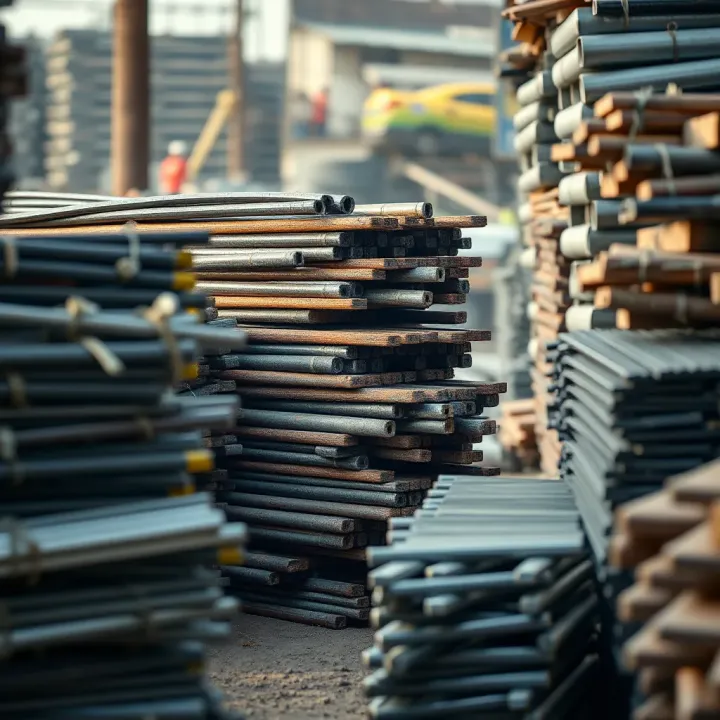
The process typically involves procuring metals from local mills or importers and then distributing them through wholesale and retail channels nationwide. Traders must track market prices closely, which fluctuate with global demand, the naira exchange rate, and CBN monetary policy. To give a practical example, when the naira weakens sharply against the dollar, imported aluminium prices shoot up, pushing traders to find cost-effective alternatives or delay purchases.
Operating in Nigeria comes with challenges such as inconsistent power supply increasing costs due to reliance on generators, bureaucratic delays in regulations, and risks of counterfeit or substandard materials entering the market. However, savvy metal traders who build strong supplier networks and leverage local sourcing stand a better chance of success. Some traders also adopt digital platforms like Flutterwave or Paystack for smooth payments, cutting down cash-related risks.
Metal traders are the glue holding Nigeria’s vast metal supply chain together, navigating price swings, import dependencies, and infrastructure challenges.
For investors or entrepreneurs, understanding the flow and control points in metal trading is crucial. Efficient traders not only support major industries but offer growth potential in Nigeria’s developing manufacturing sector. With urbanisation and economic diversification on the rise, metal trading provides many opportunities — from warehouse logistics to value-added services such as metal processing and custom fabrication.
In summary, metal traders serve as vital intermediaries in Nigeria’s supply chain ecosystem. They balance import and local sourcing, manage fluctuating costs, and meet the demands of builders, manufacturers, and artisans alike. Their work underpins economic activities that shape the country’s progress.
Understanding who a metal trader is forms the foundation for grasping their impact on Nigeria’s economy. Metal traders are the middlemen who connect metal suppliers with buyers—be it manufacturers, construction companies, or artisans. Their role matters because they ensure a steady flow of metal products that fuel industries and infrastructure development. For example, without traders supplying steel sheets to construction sites in Lagos or aluminium to manufacturers in Kano, projects could stall, driving up costs and causing delays.
Metal traders in Nigeria generally fall into two camps: those trading in scrap metals and those dealing in refined or new metal products. Scrap metal traders collect and resell items like old car parts, iron rods, and aluminium scraps. On the other hand, traders in refined metals handle more processed goods such as steel coils, aluminium bars, or copper wires. Each type serves a unique function: scrap metal traders help recycle waste material, reducing import reliance and promoting sustainability, while traders in refined metals supply higher-quality materials needed for precision manufacturing.
Metal traders take on the crucial task of bridging suppliers and end-users. They purchase metals either directly from producers or scrap collectors, then sell them to industries requiring these materials. This reduces the logistical burden for manufacturers who might not have the capacity or know-how to source metals themselves. For instance, a small-scale fabricator in Aba might depend entirely on metal traders for timely delivery of raw materials. Traders often assess quality, negotiate prices, and provide flexible payment options, making them indispensable in the supply chain.
Ferrous metals, which contain iron, form the bulk of metal trading volume in Nigeria. Steel and iron are examples, widely used in construction, automotive, and machinery sectors. Their prevalence owes to their strength and cost-effectiveness. Metal traders dealing in ferrous metals play a big role supplying rebars for building projects or steel sheets for machinery fabricators. Since these metals are the backbone of the nation’s building and manufacturing efforts, traders handling them have a direct impact on economic growth.
These metals do not contain iron but have distinct properties like high corrosion resistance and conductivity. Aluminium and copper are the most traded non-ferrous metals in Nigeria. Aluminium is key for packaging and transportation, while copper is essential in electrical wiring and electronics. Traders specialising in these metals cater to sectors demanding finer material qualities. For example, a trader importing and distributing copper wires makes Nigeria’s expanding telecommunications infrastructure possible.
Although smaller in volume, precious metals such as gold and silver are significant within Nigeria’s trading landscape, largely driven by jewellery makers and investors. Traders in precious metals operate both in urban jewellery markets and rural areas where artisanal gold mining occurs. Their activities influence export revenues and local artisanship. A gold trader working with miners in Zamfara state can link local outputs to national and international buyers, thereby injecting foreign exchange into the economy.
Metal traders serve as the vital links ensuring that diverse industries across Nigeria have access to the metals they need, whether for building homes, manufacturing goods, or creating jewellery.
Understanding these basics sets the stage for recognising how metal traders underpin several economic sectors and why their operations deserve attention from investors and policymakers alike.
Understanding how metal trading operates in Nigeria sheds light on the practical flow of metals within the economy. Metal traders source materials, assess their quality, negotiate prices, and manage payments to keep this busy market moving. For traders, investors, and analysts, grasping these specifics reveals opportunities and challenges that define profitability and business sustainability.
Local scrap collection forms a significant supply channel for metal traders. Scrap collectors buy discarded metals from construction sites, old vehicles, and industrial waste, then sell to dealers who trade directly with metal merchants. This grassroots activity ensures a steady flow of metals like iron and aluminium back into circulation. For example, a trader in Lagos might acquire scrap steel from demolition projects and refurbish it for sale to fabricators. The importance lies in its affordability and accessibility, especially for small-scale metal businesses.
On the other hand, imports and tokunbo (second-hand) metals fill gaps where local sourcing falls short. Traders import new or used metals such as pipes, sheets, and rods from China, India, or Europe, often providing items not readily available locally. Tokunbo metals offer a cost-effective choice, especially for traders dealing in aluminium or copper, which are less common in scrap form. These imports help stabilise supply, but customs duties and delays can affect pricing and availability. Knowing how to navigate these import challenges is vital for smooth operations.
The price of metals in Nigeria depends on factors like global commodity rates, local demand, currency fluctuations, and quality. Prices adjust frequently, responding to changes such as the naira-dollar exchange rate or international steel market trends. Traders rely on daily price checks through platforms, phone calls to buyers, or market visits. For instance, a sudden rise in construction activities in Abuja may spike demand and prices of steel bars. Understanding price dynamics helps traders negotiate fairly and plan inventory.
Metal trading transactions typically involve a mix of cash and bank transfers. In bustling markets like Onitsha or Alaba International, cash payments speed up deals, especially for smaller quantities. However, for larger trades, traders prefer electronic payments via bank transfer or mobile payment platforms such as OPay or Flutterwave. These digital options provide safer and more traceable transactions, crucial for building business reputation and managing funds efficiently.
Accurate weighing and quality checks are essential steps before finalising sales. Most metals are sold by weight, so using standard calibrated scales prevents disputes. Quality assessment involves inspecting for rust, purity, and structural integrity, essential for materials like stainless steel used in critical applications. Traders often collaborate with scrap dealers or fabricators who provide expertise to certify the metals’ condition. This process safeguards against losses and reinforces trust between buyers and sellers.
For traders, mastering the sources of metals and understanding the buying process—from pricing to payment and quality checks—forms the backbone of profitable metal trading in Nigeria.
This clear picture of how metals flow through trading channels helps stakeholders make informed decisions, mitigate risks, and spot growth areas in Nigeria's metal market.
Metal traders play a vital role in supplying raw materials essential for Nigeria’s booming industrial and construction sectors. Without access to metals like steel, aluminium, and copper, manufacturers and builders would struggle to meet demand, especially in urban centres like Lagos and Abuja where infrastructure development is relentless. For example, traders sourcing scrap steel from industrial offcuts or imports of tokunbo metal keep construction firms stocked for projects ranging from residential buildings to commercial complexes.
Besides providing raw materials, metal traders support local manufacturing by ensuring steady availability and competitive pricing of inputs. This reliability allows manufacturers of goods like household appliances, automotive parts, and electrical wiring to maintain production schedules without costly delays. In practical terms, a small steel fabricator in Kano depends on metal traders to access quality sheets at fair prices, helping keep production costs manageable and products affordable for local consumers.
Metal trading generates employment across various levels, from port and warehouse workers to truck drivers and small-scale scrap collectors. These jobs make a direct impact on many livelihoods, particularly in informal settings where formal factory work is scarce. For instance, young people operating keke or okada fleets often carry metal goods between markets, steadily earning income that supports their families.
The informal nature of much metal trading also influences Nigeria’s wider economy. Numerous traders operate without official registration or full compliance, which can complicate tracking economic activity but simultaneously offers flexible income options for people excluded from formal jobs. This dynamic, though challenging for regulators, presents economic cushioning in times of downturn, as informal traders swiftly adapt to shifting demand and supply conditions.
Metal traders are more than middlemen — they are enablers of growth, providing materials and jobs that keep critical sectors running across Nigeria.
From the supply of crucial metals to job creation in bustling markets and beyond, the sector's influence on Nigeria’s economy is significant and multifaceted. Understanding these contributions sheds light on why supporting metal traders can fuel broader economic resilience and development.
Metal traders in Nigeria operate in an environment filled with unique hurdles that affect their profitability and sustainability. Understanding these challenges helps to appreciate how difficult the trade can be and why addressing these problems is critical for the sector’s growth. From regulatory constraints to market uncertainties and infrastructure issues, metal traders face many obstacles daily.
Obtaining the necessary licences and permits remains one of the first major obstacles metal traders encounter. Traders need approval from multiple authorities, including local government agencies and agencies like the Standards Organisation of Nigeria (SON), to carry out metal dealings legally. Failure to secure these documents risks fines, confiscation of goods, or even closure of business.
The cost and bureaucratic process of acquiring licences can delay business operations. For example, a trader importing scrap metal must obtain an import permit from the Nigerian Customs Service upfront. Many small traders find this cost and paperwork cumbersome, leading some to operate informally, which exposes them to legal risks.
Customs regulations significantly affect metal traders, especially those dealing in tokunbo (second-hand) metals or raw materials. The Nigerian Customs Service enforces strict rules to curb smuggling and enforce quality standards. Traders often face long delays at ports due to inefficient customs clearance processes.
Import restrictions and duties also influence the cost structure. For example, import duties on steel products can increase prices substantially, affecting competitiveness. Additionally, traders must navigate fluctuating exchange rates, which can widen the gap between expected and actual costs when clearing shipments.
Metal prices in Nigeria are highly unstable, influenced by global commodity trends, currency fluctuations, and local demand–supply imbalances. This volatility complicates inventory management and financial planning.
For instance, a sudden drop in international aluminium prices can force local traders to reduce their prices quickly, sometimes selling below procurement cost. Such unexpected swings can erode profit margins or cause losses — risks that most small traders are ill-prepared to absorb.
Reliable power is critical for weighing, cutting, and quality checking of metals, but many traders operate under persistent electricity outages. They rely on generators, increasing operational expenses due to fuel costs. For example, a wholesaler in Lagos might spend upwards of ₦50,000 monthly on diesel just to power basic equipment during long NEPA (National Electric Power Authority) blackouts.
Logistics is another significant hurdle. Poor road infrastructure and traffic congestion, especially in cities like Lagos and Port Harcourt, delay deliveries and raise transport costs. These delays disrupt market timing, particularly when contracts require delivery within strict periods, leading to penalties or lost opportunities.
The combined effect of regulatory hurdles, price instability, and infrastructural deficiencies means metal trading in Nigeria demands resilience and adaptability. Addressing these challenges through policy reforms and infrastructural investments would improve efficiency, benefit traders, and stimulate the broader economy.
The metal trading sector in Nigeria holds significant potential for growth, driven largely by innovation and evolving market dynamics. Traders who tap into emerging technologies and explore new markets stand to gain a competitive edge and contribute more meaningfully to the economy. Advancements in technology and supportive government policies offer pathways for expanding traditional metal trading activities beyond their current scope.
Online marketplaces have become vital channels for metal traders to connect with buyers and suppliers, both locally and internationally. Platforms like Jiji and NaijaDeal offer spaces where traders can list metals, compare prices, and reach a wider audience without relying solely on physical markets. This shift not only cuts down transaction time but also reduces travelling costs, which can be significant given Nigeria’s traffic and infrastructure challenges.
Payment platforms such as Paystack, Flutterwave, and OPay have revolutionised the way metal traders receive payments. Before these solutions, cash transactions dominated, carrying risks of theft or counterfeit notes. Now, electronic payments ensure faster, safer, and easier fund transfers. This is critical for trading high-value metals where trust and speed are paramount.
Mobile phones remain indispensable tools for metal traders. Regular price updates through SMS alerts, WhatsApp groups, and dedicated market apps help traders stay ahead of market fluctuations. For example, a trader in Kano can receive immediate updates on steel prices in Lagos, allowing timely decisions on buying and selling.
Beyond price monitoring, mobile communication aids negotiation and coordination. Traders use calls and messages to verify metal quality, confirm delivery timelines, and build trust with new buyers or suppliers. The widespread availability of affordable smartphones and data plans in Nigeria increases access to these communication benefits.
Nigeria’s metal resources and manufacturing products have untapped export potential, especially within West Africa and beyond. Countries with limited local metal production depend on imports, opening opportunities for Nigerian traders to supply quality metals at competitive prices. For instance, exporting scrap metals or fabricated steel parts to Ghana or Côte d’Ivoire could create additional revenue streams.
However, expanding into export markets requires careful adherence to international quality standards and customs regulations. Traders need to develop reliable packaging, transportation, and documentation processes to compete favourably. Those who manage to establish consistent export operations could benefit from foreign exchange earnings and diversification.
Several government bodies in Nigeria provide support that can boost growth in metal trading. The Nigerian Export Promotion Council (NEPC) offers training and export facilitation services targeted at traders venturing into foreign markets. Meanwhile, the Standards Organisation of Nigeria (SON) ensures metal quality and safety standards that help traders gain buyer confidence.
Additionally, local government initiatives aiming to regulate and formalise the informal metal trade help improve transparency and reduce illicit activities. These bodies also sometimes provide access to trade fairs and subsidies for technology adoption. Engaging with these agencies can help metal traders tap into new opportunities and gain legitimacy.
Embracing technology and exploring export markets are critical steps for Nigerian metal traders seeking growth. With proper support and innovation, the sector can evolve beyond traditional trading and become a key contributor to economic development.
🌍 Discover how top Nigerian forex traders shape the market with smart strategies, insights on platforms, risks, and local regulations for success.
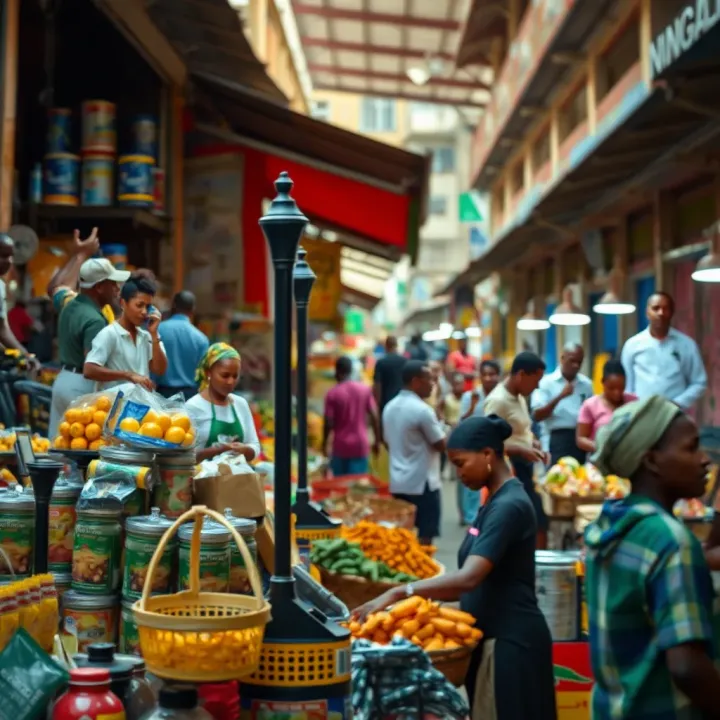
Explore how vital markets shape Nigeria's economy 🇳🇬, their key roles, challenges they face, and ways to boost them for steady growth 📈.
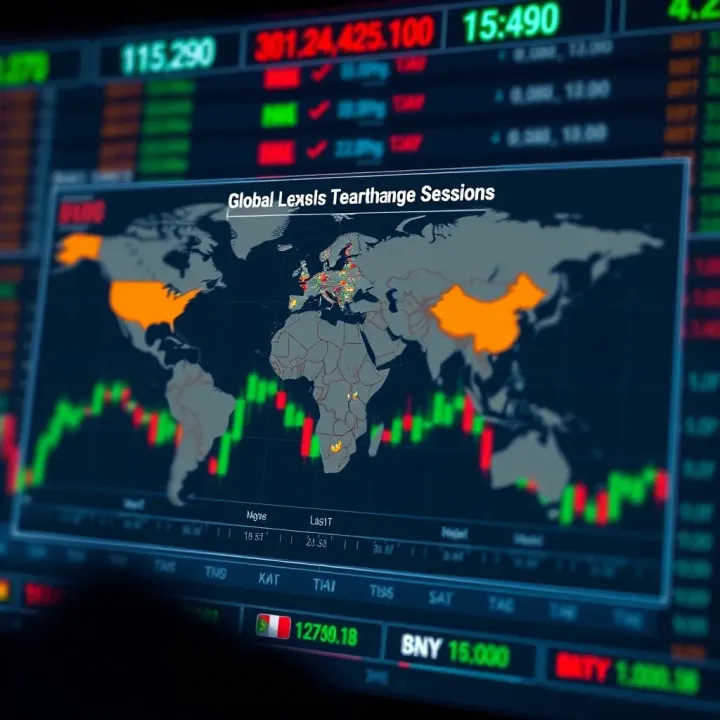
📈 Learn when to trade Forex in Nigeria with local session hours, daylight saving tips, and strategies to make the most of market timings. 🌍💹

📊 Explore TradingView's powerful charting tools, market analysis, and social network features. Perfect for traders in Nigeria aiming to enhance their strategies.
Based on 12 reviews