

TradingView Guide for Nigerian Traders: Features & Tips
📈 Discover how TradingView empowers Nigerian traders with advanced charting, market analysis, and custom setups. Boost your trading skills today!
Edited By
George Farrow
Pocket Options has quickly gained traction among Nigerian traders looking for straightforward ways to engage in digital trading. This platform offers a mix of simplicity and flexibility, making it attractive for both beginners and experienced investors seeking alternative avenues beyond traditional stocks or forex.
Unlike some platforms cluttered with complex tools, Pocket Options keeps things relatively simple with user-friendly interfaces and accessible trading options. It primarily focuses on binary options trading, which involves predicting whether an asset’s price will go up or down within a set time frame. However, it’s not without risks, so understanding how Pocket Options works is essential before you invest your hard-earned naira.
One major appeal for Nigerian traders is the platform's acceptance of local payment methods. You can fund your account through bank transfers, online wallets like Paystack or OPay, and sometimes even USSD codes — practical for trading without constant internet access. Withdrawal processes align with these payment methods, making it easier to access your funds without excessive delays.
Digital trading through Pocket Options requires discipline and proper risk management. It’s important never to trade beyond what you can afford to lose, as the market can be highly volatile, especially with short timeframes.
Registration on Pocket Options is straightforward. It demands you submit basic information like your name, phone number, and email address, followed by identity verification. This step ensures compliance with international trading standards and helps protect your account.
For Nigerian traders, understanding the legal backdrop is vital. Though binary options trading is not explicitly banned, the financial regulatory environment in Nigeria is cautious. Make sure to monitor updates from the Securities and Exchange Commission (SEC) Nigeria to confirm compliance and avoid potential pitfalls.
In summary, Pocket Options offers an accessible entry point into digital trading tailored to Nigerian realities. It supports local payment options and simplifies market entry, but like any investment, it calls for care, knowledge, and a clear strategy to avoid losses.
Next, we will explore how to register and set up your first trade effectively on Pocket Options.
Understanding what Pocket Options is and how it functions lays the foundation for Nigerian traders venturing into digital options trading. This platform offers a relatively straightforward way to engage with financial markets without the complexities tied to traditional trading. Unlike stock trading or forex that demand extensive knowledge and experience, digital options provide fixed risk and reward outcomes, suiting novice and experienced traders alike.
Digital options trading involves predicting the price movement of an asset within a short time frame. If your prediction is correct — whether the price goes up or down — you earn a fixed payout. For example, if you predict the price of oil will rise in the next 15 minutes and it does, your investment multiplies by the predetermined percentage, often between 70% to 90%. If not, you lose your stake but nothing more. This feature makes it popular in Nigeria, where many prefer clear-cut risk boundaries given the unstable currency and economic uncertainties.
Pocket Options is a user-friendly digital options platform that supports multiple asset classes including forex pairs, commodities, stocks, and cryptocurrencies. Its appeal lies in the low minimum deposits — starting at just $10 — and an intuitive design that suits beginners. Nigerian traders benefit from its availability of local payment methods like bank transfers and popular e-wallets, making funding and withdrawing easier despite Nigeria’s complex banking ecosystem. Moreover, Pocket Options frequently runs promotions and bonuses that can boost your trading capital, a practical advantage when managing limited funds in naira.
The Pocket Options interface is clean and uncluttered, which helps traders focus on decision-making rather than hunting for features. The dashboard displays price charts alongside options to select expiry times and investment amounts. For instance, after picking an asset like USD/NGN forex pair, you choose if the price will rise (Call) or fall (Put) within a set time, say 5 minutes. This simplicity reduces the learning curve. Beyond that, the platform offers mobile app versions compatible with Android and iOS, making trading on the go feasible for Nigerians often on tight schedules or facing power outages.
Digital options through Pocket Options transform complex market moves into simple yes/no bets, an approach well-suited for Nigerian traders aiming to dip their toes into investment without deep technical knowledge or large capital.
By getting to grips with what Pocket Options is and the basic working of digital options, Nigerian traders can better navigate the platform and make informed choices about where to allocate their funds.
Creating and setting up your Pocket Options account is a vital step for Nigerian traders aiming to tap into digital options trading. Without proper registration and account verification, you won't access key platform features like depositing funds, making trades, or withdrawing earnings securely. This process ensures you are recognised as a legitimate user, guarding against fraud and enhancing your overall trading experience.
Getting started with Pocket Options begins with a straightforward registration. First, visit the Pocket Options website or open the mobile app and click on the "Sign Up" button. You will be asked to provide your email address, create a strong password, and select your country—important for confirming your eligibility as a Nigerian user.
Once you fill in these details, the platform usually sends a confirmation email. Click the link in the email to activate your account. It's common to encounter occasional delays in receiving this email, so check your spam folder just in case. After activation, you can log in to your account and explore initial options.
Unlike many platforms, Pocket Options does not demand large upfront data during registration, making it simple and quick for Nigerians who want to dive into trading without unnecessary barriers.
Though registration is simple, Pocket Options requires identity verification to meet regulatory standards and protect users from fraudulent activities. This step involves submitting a government-issued ID—like a Nigerian National Identity Number (NIN) card or driver's licence—alongside proof of address, such as a recent utility bill.
Verification not only secures your account but also increases deposit and withdrawal limits, giving you more flexibility. You can complete this step anytime in your profile settings, but finishing it early avoids hiccups during withdrawals.
For added account security, enable two-factor authentication (2FA). This extra step requires you to enter a code from a mobile authenticator app each time you log in, significantly reducing the risk of unauthorised access, especially given the prevalence of cyber threats.
After registering and verifying, you’ll access Pocket Options’ dashboard—the control centre for your trading activities. The dashboard presents your balance, open trades, asset listings, and available markets clearly. For example, you can view live charts of forex pairs, cryptocurrencies, or commodities without switching tabs.
To the left, the menu allows quick access to deposits, withdrawals, trading history, and settings. For starters, the user-friendly layout helps Nigerians get familiar with trading without feeling overwhelmed.
A noteworthy feature is the demo account mode, available right on the dashboard. It lets you practice trading with virtual funds before risking real money, which is especially helpful for traders new to digital options or those experimenting with new strategies.
By understanding these setup steps, you prepare yourself for a smoother, safer, and more effective trading journey on Pocket Options, enabling you to focus on making smart investment decisions with your naira.
Understanding the types of trading options and strategies on Pocket Options is vital for Nigerian traders aiming to make smart investment decisions. This section breaks down the available assets, clarifies the key differences between binary and digital options, and introduces simple strategies to help beginners start right. These insights reveal practical ways you can handle the platform effectively to grow your trading skills.
Pocket Options offers a range of assets suitable for different risk appetites and interests. You can trade commodities like gold and crude oil, popular forex pairs such as USD/NGN or EUR/USD, and a variety of cryptocurrencies, including Bitcoin (BTC) and Ethereum (ETH). For example, a trader confident about the global demand for gold might choose to invest in its price movements, while someone more interested in fast-paced trades may prefer forex pairs.
The platform also includes stocks from major companies and indices like the S&P 500. Nigerian traders may find advantage in diversifying across these assets, spreading risk instead of putting all eggs in one basket. Understanding what assets fit your comfort zone and market knowledge is the first step before applying any trading strategy.
Binary options on Pocket Options are straightforward: you predict whether an asset’s price will rise or fall within a set time frame. If your prediction is correct, you earn a fixed return; if not, you lose your stake. For example, if you bet ₦5,000 that Bitcoin will rise in the next 15 minutes and your call is right, you get a predetermined profit, often around 80% of your stake.
Digital options add flexibility. They allow you to choose strike prices and expiry times more freely, offering the chance to earn varying returns based on market movement. For instance, you might select a strike price slightly above the current price to increase potential profit, but this comes with higher risk. The difference means digital options often suit traders who want more control and are comfortable analysing price trends more deeply.
Starting with uncomplicated strategies helps build confidence on Pocket Options. The “Trend Following” strategy is popular—it involves identifying a clear upward or downward price movement and placing trades aligned with that trend. For example, if the Naira weakens against the Dollar steadily over an hour, a trader may open a call option predicting the trend will continue.
Another is the “Pinocchio” strategy, which targets moments when price movements seem misleading. If a currency pair’s price briefly dips but quickly recovers, betting on the bounce-back can pay off. However, this requires sharp observation and isn’t for the faint-hearted.
Beginners should start with these simple approaches on demo accounts Pocket Options provides, practising without financial risks before trading live. This hands-on experience, combined with understanding asset types and option kinds, makes for safer entry into digital trading.
Always remember, no strategy guarantees profits. Managing risk wisely by limiting stake sizes and setting realistic targets will help preserve your capital.
With this knowledge, Nigerian traders can approach Pocket Options with better clarity and practical tools, avoiding common pitfalls and sharpening their trading edge.
Managing how you fund your Pocket Options account and withdraw profits is central to a smooth trading experience. For Nigerian traders, understanding the payment methods available, the steps to deposit and withdraw, as well as fees and timing, helps avoid delays and unexpected charges. Since Pocket Options operates on digital platforms, funding the account seamlessly translates into a quicker start with trading — and withdrawing earnings hassle-free ensures you can access your gains without stress.
Pocket Options supports several payment options familiar to Nigerian users. Notably, bank transfers through local banks like GTBank, First Bank, and Zenith Bank are common. These allow direct naira deposits, though timings vary depending on the bank’s processing times. Besides bank transfers, popular fintech gateways such as Paystack and Flutterwave integrate smoothly, letting traders use debit or credit cards issued in Nigeria.
Mobile money wallets like OPay and PalmPay are also increasingly accepted, offering quick and convenient payments. Some traders use cryptocurrency deposits, especially Bitcoin and Ethereum, to bypass some traditional financial hurdles. Always confirm the wallet or bank details correctly as errors can lead to fund loss.
Depositing typically requires logging into your Pocket Options dashboard, navigating to the funding section, and selecting your preferred payment method. For example, if you choose Paystack, you’ll enter card details or confirm mobile wallet info before authorising the transfer. For bank transfers, Pocket Options provides account details to send funds, which can take 1-2 business days.
Withdrawing your profits follows a similar process but with more verification steps. Nigerian users must provide a verified identity document, often their National Identification Number (NIN) or International Passport, to comply with anti-money laundering rules. Once approved, you request withdrawal, choosing the payout channel. Withdrawal can take anywhere from a few hours to up to 5 business days, depending on the method.
Always double-check withdrawal and deposit details before confirming to avoid delays.
Pocket Options generally does not charge deposit fees, but Nigerian banks or payment gateways might deduct processing fees, especially for card payments or international transfers. For withdrawals, fees vary; crypto withdrawals often cost less than bank transfers, which may incur ₦500 to ₦1,500 per transaction.
Transaction limits can differ widely. Deposits often start from as low as ₦1,000, while withdrawals might have a minimum limit of ₦3,000 or more. Maximum limits depend on your account verification level. To avoid unexpected issues, review the platform’s policy regularly.
Withdrawal times hinge on the chosen method. Crypto tends to be fastest, often within hours, while traditional banks take longer. Planning withdrawals ahead reduces frustration, especially if you need funds urgently.
Mastering these funding and withdrawal insights helps Nigerian traders maximise their Pocket Options experience without unnecessary hold-ups or cost surprises.
When trading on platforms like Pocket Options, Nigerian users must prioritise safety and legal awareness to protect both funds and personal information. The digital trading space is attractive but fraught with pitfalls if proper precautions are ignored. This section highlights practical steps to guard your account, understand the platform’s legal status in Nigeria, and recognise the inherent risks in options trading.
Securing your Pocket Options account starts with a strong, unique password combining letters, numbers, and symbols. Avoid using the same password across multiple platforms to reduce the risk if one account is compromised. Always enable two-factor authentication (2FA) when available, which adds an extra layer of security by requiring a verification code sent to your phone or email.
Be wary of phishing scams where fraudsters impersonate the platform asking for login details. Nigerian traders have reported fake emails and WhatsApp messages claiming to be customer support. Never click on suspicious links or share your personal data. Use official Pocket Options apps or the verified website to avoid counterfeit platforms.
Additionally, avoid trading over public Wi-Fi or unsecured networks, which make it easier for attackers to intercept your credentials. Instead, rely on secure private connections. Regularly update your device's antivirus software to defend against malware that could steal information.
Pocket Options is an international digital options platform that does not currently hold direct licencing from Nigerian regulatory bodies like the Securities and Exchange Commission (SEC) Nigeria. This means it operates under foreign jurisdiction, which can affect dispute resolution and legal protections for Nigerian users.
While the lack of local licencing could raise caution, Nigerian traders routinely use international brokers to access global markets. The key is to verify that Pocket Options holds licences from respected global regulators, which demonstrates compliance with basic operational standards. However, you should understand that funds deposited are not insured or protected by Nigerian laws.
Before committing large amounts, Nigerian traders should check the platform's regulatory disclosures and terms. Working with established payment methods like bank cards and trusted e-wallets can also add safety layers, allowing easier tracking of transactions.
Options trading, especially binary options, comes with significant financial risks. Unlike traditional investments, you often bet on short-term price movements with deadlines in minutes or hours. Profits can be quick but so can losses, sometimes exceeding your initial capital.
For Nigerian traders new to Pocket Options, it is crucial to treat trading as a high-risk activity. Avoid risking more than you can afford to lose and steer clear of greedy strategies promising guaranteed returns. For example, using demo accounts to practise can prevent expensive mistakes.
Market volatility in global assets — like forex, commodities, or stocks — can create unpredictable swings. Economic events, geopolitical crises, or sudden news can flip outcomes unexpectedly. Having a clear trading plan and managing money wisely will reduce the chances of losing your entire investment.
Always remember, trading is not gambling, but it demands discipline, knowledge, and risk management to protect your hard-earned money.
In essence, Nigerian users should combine cautious platform use with smart risk awareness. Keeping your account secure, knowing the legal standing, and understanding trading risks lays the foundation for safer and more informed engagement on Pocket Options.
📈 Discover how TradingView empowers Nigerian traders with advanced charting, market analysis, and custom setups. Boost your trading skills today!
Explore Binary.com’s key features and how Nigerian traders can use the platform wisely 🤑. Get tips on navigating binary options safely in Nigeria 🇳🇬.
📊 Learn how binary options work, spot risks, explore strategies, and understand Nigeria's trading rules in this practical, clear guide for traders.
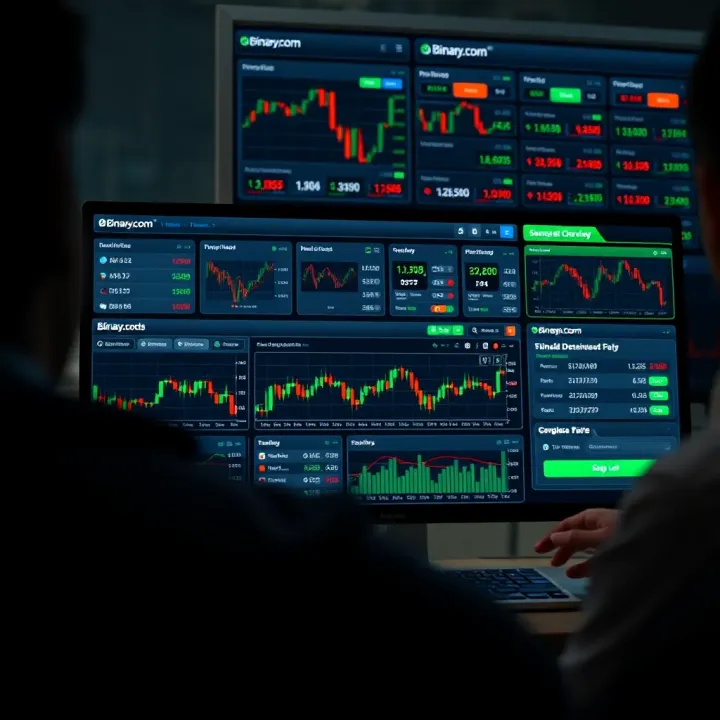
Explore Binary.com trading in Nigeria 🇳🇬: setup, security tips, and trading types. Get ready to trade smarter with practical advice and insights! 💼📊
Based on 8 reviews