

XM Minimum Deposit Guide for Nigerian Traders
Discover how to meet XM's minimum deposit and start trading smart in Nigeria 🇳🇬. Learn funding options, tips, and key facts to kickstart your trading journey!
Edited By
Emma Whittaker
For Nigerian traders eyeing cryptocurrency markets, knowing the minimum deposit requirement on Pionex is key before you start trading. Pionex is a growing crypto trading platform well-known in Nigeria for its automated bots and user-friendly interface. Understanding how much you need to fund your account upfront can save you time, money, and potential frustrations.
The minimum deposit on Pionex serves as the initial amount you must put into your trading wallet to begin buying and selling digital assets. This deposit isn’t fixed in Nigerian Naira but is generally denominated in cryptocurrencies like USDT (Tether) or BTC (Bitcoin). For most users, the minimum deposit roughly equals about $10 to $50 depending on the crypto asset chosen and current exchange rates.

Nigerian traders should note that funding your Pionex account usually involves converting your naira to crypto first. Payment options available include bank transfers through methods like USSD codes or online banking, as well as popular Nigerian e-wallets linked to crypto exchanges. This process means your minimum deposit in naira will fluctuate with the naira-dollar exchange rate and crypto market volatility.
Starting with at least the minimum deposit aligned with your trading plan is crucial. Putting too little can limit your bot’s ability to execute strategies effectively, while depositing more than you’re ready to trade risks unnecessary exposure.
It helps to consider your overall trading strategy alongside the minimum deposit. For example, if you plan to use Pionex’s grid trading bot, which requires spreading funds across multiple price levels, a higher initial deposit ensures the bot performs optimally. Conversely, casual traders who want to test the waters may prefer to start with the bare minimum and increase funding as confidence grows.
In summary, understanding Pionex’s minimum deposit involves:
Knowing the approximate crypto equivalent needed to start
Being aware of how naira funding and exchange rates affect your deposit size
Aligning your deposit with your trading bot’s capital requirement and personal risk tolerance
With this grasp, Nigerian traders can confidently fund their Pionex accounts and participate more effectively in crypto market movements.
Starting crypto trading on Pionex requires understanding its minimum deposit policy, especially for Nigerian traders dealing with naira and local payment systems. This section breaks down what Pionex offers and what the deposit thresholds mean for your trading journey.
Pionex is well known for combining automated trading bots with an exchange platform, making it accessible for traders who want to avoid the hassle of constant market monitoring. It supports over 100 cryptocurrencies, including popular ones like Bitcoin (BTC), Ethereum (ETH), and Binance Coin (BNB). For example, a trader can set a grid trading bot on BTC/USDT that buys low and sells high automatically — saving the need to watch price movements all day.
Another advantage Pionex offers is low fees: it charges just 0.05% per trade, which is quite competitive compared to many global platforms. This makes it handy for Nigerian traders who often face high transaction costs when trading forex or stocks. Plus, Pionex's intuitive mobile app suits Nigerians who rely on smartphones for finance, ensuring you can manage automated trades while on the go.
The minimum deposit on Pionex is not fixed as a blanket figure in naira; it depends largely on the cryptocurrency you choose to fund your account with. Typically, the equivalent of about $10 to $50 USD is required, which translates to roughly ₦7,000 to ₦35,000 given exchange rate fluctuations. For example, funding your account with Bitcoin might require a smaller amount due to its high value, while stablecoins like USDT usually require the minimum deposit closer to $10.
For Nigerian traders, this means you should check current exchange rates and choose your deposit currency wisely. Depositing larger sums initially can give your trading bots more flexibility and reduce the risk of quick depletion from fees and market swings.
It’s crucial to factor in currency conversion costs and network fees, as these can push your actual deposit cost higher than the platform’s stated minimum.
In summary, Pionex presents a fairly accessible entry point with low minimum deposit requirements compared to some traditional brokerages. Yet, Nigerian users must mind forex rates and local payment methods to ensure smooth funding and effective use of trading bots. This understanding helps lay a practical foundation before diving further into the platform’s deposit and trading details.
Funding your Pionex account is a key step for Nigerian traders eager to participate in automated cryptocurrency trading. Properly understanding the deposit process can save you from delays and unexpected fees, helping you focus on trading strategies rather than payment headaches. This section explains the available payment methods and walks you through making a deposit smoothly.
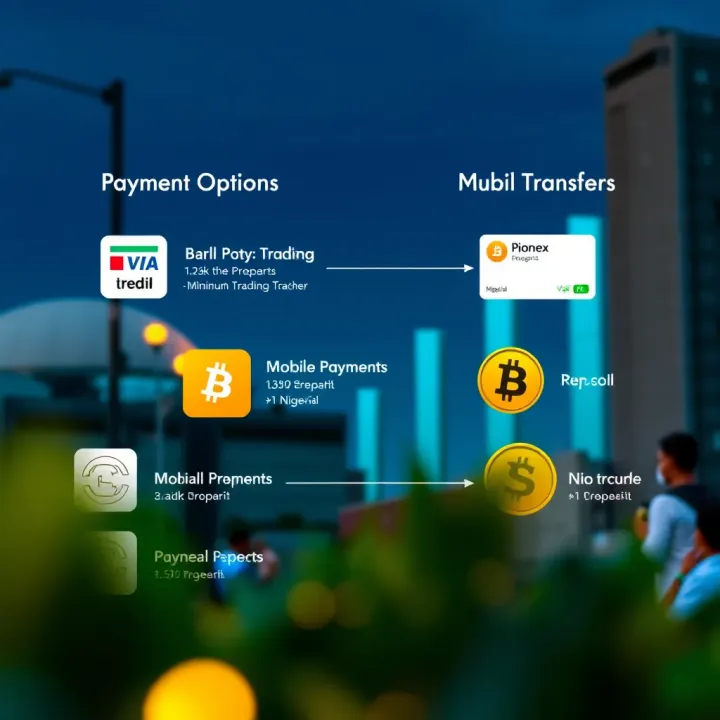
Nigerian traders have access to several payment options on Pionex, reflecting local banking habits and fintech evolution. Popular methods include:
Bank Transfers: Direct Naira transfers from major banks like GTBank, Zenith, Access Bank, or First Bank to Pionex's designated account. These transfers usually take a few hours and attract minimal fees.
USSD Codes: Services like *737# or *901 allow quick fund transfers without internet, convenient for traders in areas with unstable data.
Third-Party Payment Gateways: Platforms like Paystack and Flutterwave facilitate deposits using debit cards or bank transfers, offering faster processing and often lower fees.
Cryptocurrency Deposits: Experienced traders might prefer funding their accounts with Bitcoin, Ethereum, or USDT, bypassing currency conversion issues and exchange rate losses.
Each option carries unique transaction times and charges, so choose one that aligns with your convenience and cost preferences.
Start by logging into your Pionex account using your correct credentials. Once inside, navigate to the 'Deposit' section, where you’ll see supported payment methods tailored for Nigerian users. Follow these steps carefully:
Select Your Deposit Method: Pick from Naira bank transfer, USSD, or cryptocurrency deposit depending on your preference.
Enter Deposit Amount: Input the amount you want to fund, ensuring it meets Pionex’s minimum deposit requirements and considering naira’s current exchange rates.
Follow Payment Instructions: For bank transfers, note the unique account number provided and complete the transfer from your bank app or branch. For USSD, dial the given code and enter transaction details when prompted.
Confirm and Upload Proof (If Required): Sometimes, uploading a transfer receipt backs up your transaction and speeds up verification.
Wait for Confirmation: Deposits usually reflect within hours. Should you hit any delay beyond 24 hours, contacting Pionex support or your bank can resolve issues.
Nigerian traders should regularly check Pionex announcements, as payment options and requirements update occasionally due to regulatory changes or platform enhancements.
Following these practical steps ensures your funds reach your Pionex account without unnecessary fuss, helping you start trading confidently and on time.
Understanding what shapes the minimum deposit on Pionex can help Nigerian traders plan their investments better. The platform’s deposit expectations aren’t fixed; they shift based on several factors that directly impact how much you should start trading with. Grasping these details avoids surprises and supports smoother trading.
One major factor is the currency you use. Pionex operates primarily in US dollars (USD), so Nigerian traders funding their accounts in naira (₦) must consider prevailing exchange rates. The rate can swing daily due to market forces and CBN policies, meaning ₦50,000 today might translate into slightly less or more USD tomorrow.
For example, if the minimum deposit is US$10, that equals about ₦5,200 at an exchange rate of ₦520/$1. Should the naira weaken to ₦530 per dollar, the same deposit now costs ₦5,300. Small shifts like this matter for traders working with tight budgets.
Beyond rates, payment channels affect costs. Using bank transfers or USSD might carry different conversion or service fees, which indirectly increase your effective deposit. Traders should compare these fees before funding to choose the most cost-effective method.
Pionex is known for automated trading bots that require a minimum capital for effective operation. Each bot demands a certain deposit to cover buys and sells, maintain liquidity, and handle fees. This demand sets a floor on your minimum deposit.
For instance, popular bots like the Grid Trading bot perform well with at least US$50 in your account to absorb market fluctuations and trading fees. Starting with less than that risks bot inefficiency or forced closure due to insufficient funds to maintain open positions.
Moreover, some bots have specific limits – they may not accept deposits below a threshold value or cap the maximum amount to balance risk. Nigerian traders should review these limits carefully to align their deposit size with bot requirements. This ensures automated trades run smoothly without sudden interruptions.
Remember, funding your Pionex account isn't just about meeting a number; it's about meeting the right number that fits your trading style, currency realities, and chosen bot.
In sum, Nigerian traders should monitor exchange rates closely, pick gateway options with lower fees, and choose trading bots suitable for their deposit size. This approach reduces unnecessary costs while enabling effective automated trading on Pionex.
For Nigerian traders venturing into Pionex, practical tips matter because they help navigate the platform effectively and avoid common pitfalls. Crypto trading can be volatile, and starting off on the right foot means managing your deposit and understanding potential obstacles before they affect your investments.
Your initial deposit on Pionex sets the tone for your trading experience. Starting with a modest yet meaningful amount allows you to test the platform without putting too much capital at risk. For example, funding your account with around ₦50,000–₦100,000 can give you room to experiment with different automated bots while limiting exposure. Avoid going all in from the get-go; instead, increase your deposit gradually as you gain confidence and better understand how the bots respond to market shifts.
Also, remember to factor in exchange rates and withdrawal fees if you deposit in naira but trade cryptocurrencies priced in dollars. Timing your transfer when the naira holds strength can save you unnecessary costs. On top of that, keep an eye on your trading goals; if your aim is long-term growth rather than quick gains, consider a deposit that supports steady, incremental returns rather than aiming for huge, risky bets.
Nigerian traders often face hiccups like failed transactions, long processing times, or confusion over acceptable payment methods. Pionex supports various deposit options, but bank transfers can be tricky due to local banking restrictions or delays. Using digital wallets like Opay or Flutterwave can speed up funding because they often handle currency conversions faster.
Make sure your bank or payment provider supports international transactions or ask your bank about any limits that might block crypto-related transfers. If you encounter delays, contacting your payment provider first before reaching out to Pionex support helps resolve issues quicker.
Nigeria's banking environment sometimes restricts crypto transactions; patience and proper planning during deposits go a long way in avoiding frustrations.
To prevent avoidable mistakes, double-check account details before confirming transfers and keep evidence of your payments. Finally, beware of scams or fake platforms posing as Pionex; always verify you are on the official platform before entering your payment information.
Following these practical tips helps Nigerian traders use their funds efficiently and dodge common traps, making the Pionex experience smoother and more rewarding.
Understanding how the minimum deposit affects your trading strategy on Pionex is vital for making smart decisions as a Nigerian trader. The initial amount you fund your account with does more than just activate your trading; it shapes the scope of your automated strategies, risk management, and potential returns. Managing this wisely helps prevent avoidable losses and ensures your investment aligns with your goals.
The size of your deposit directly impacts the performance and viability of automated trading bots on Pionex. For example, if you fund your account with the minimum ₦20,000, some bots requiring higher capital may not activate or perform optimally. Larger deposits allow more flexibility in allocating funds to multiple strategies simultaneously, thereby diversifying risk.
Consider a scenario where you want to run the Grid Trading bot, which needs enough capital to place buy and sell orders across price ranges. With an insufficient deposit, the bot might place fewer orders, reducing the chance to capitalise on market movements. On the other hand, a substantial deposit lets the bot execute trades more frequently, potentially increasing profit opportunities.
Since Nigeria’s naira can fluctuate against stronger currencies like the dollar, it's wise to factor exchange rates into your initial deposit planning. Depositing just enough to meet the minimum might limit your ability to absorb losses or adapt to market swings. For Nigerian traders, balancing risk means not committing funds you can't afford to lose and keeping some capital liquid for other financial needs.
Practical risk management includes setting stop-loss limits within bot settings and avoiding staking all your deposit on high-volatility strategies. Suppose you start with ₦50,000: allocating ₦30,000 to low-risk bots and ₦20,000 to experimental ones helps preserve capital while exploring growth.
Remember, the minimum deposit gets you started, but the right deposit size supports sustainable trading. Always align how much you fund Pionex with your personal risk appetite and trading objectives.
In summary, Nigerian crypto traders must consider how the deposit size influences bot activity and risk exposure. Use your deposit not just to start trading but as a foundation to build a flexible, balanced approach that can withstand local market conditions and currency shifts.
Discover how to meet XM's minimum deposit and start trading smart in Nigeria 🇳🇬. Learn funding options, tips, and key facts to kickstart your trading journey!

Explore Binary.com trading in Nigeria 🇳🇬: setup, security tips, and trading types. Get ready to trade smarter with practical advice and insights! 💼📊

📊 Compare TradingView and Deriv.com to find the best trading platform for Nigerian traders. Discover tools, features, and support for smarter trading decisions!

📈 Discover how TradingView empowers Nigerian traders with advanced charting, market analysis, and custom setups. Boost your trading skills today!
Based on 5 reviews