
Understanding CFD Trading for Nigerian Investors
📈 Discover how CFD trading lets Nigerian investors profit from market moves without buying assets. Learn benefits, risks, and smart strategies to grow your ₦ safely.
Edited By
Laura Middleton
The New York trading session is one of the most active periods in global financial markets, attracting investors from all over, including Nigeria. For Nigerian traders and investors, understanding exactly when this session begins and ends, and how it fits into Nigeria's local time, can open new opportunities for diversified portfolios and increased trading chances.
New York operates on Eastern Time (ET), which varies between Eastern Standard Time (EST) and Eastern Daylight Time (EDT) during daylight saving periods. Typically, the New York session runs from 8:30 am to 3:00 pm ET. Considering Nigeria runs on West Africa Time (WAT), which is UTC+1 and does not observe daylight saving, there is usually a 5 or 6-hour difference depending on the time of year.
This time gap means that when New York's markets open at 8:30 am ET, it's 1:30 pm or 2:30 pm in Lagos, Abuja, or Port Harcourt. The session ends around 8:00 pm or 9:00 pm Nigerian time, depending on the season. Practically, this timing suits traders who prefer to engage in the afternoon and evening, rather than the early morning hours.
Nigerian investors often overlook the New York trading session’s time zone nuances, yet this understanding can shape investment strategies and timing decisions for better outcomes.
Knowing these hours helps investors catch market movements in US equities, futures, and forex markets when volatility and liquidity peak. For instance, many multinational companies listed on the New York Stock Exchange (NYSE) announce earnings during this session, influencing price movements that savvy Nigerian traders can tap into.
Plus, given Nigeria's growing interest in cross-border trading, synchronising trading activities with New York hours streamlines decision-making and allows for quick reactions to breaking financial news.
In the next sections, we will break down practical tips Nigerian investors can adopt to trade confidently during the New York session, optimise their schedules, and use local examples to stay ahead.
Understanding the New York trading session is essential for Nigerian investors looking to tap into the world’s largest financial markets. This session plays a significant role in global trading due to the size and influence of the US economy, affecting prices and volatility across various asset classes. Knowing when and how the New York market operates helps Nigerian traders make timely decisions, manage risk, and capitalise on opportunities.
The New York trading session refers to the trading hours when US financial markets, especially the New York Stock Exchange (NYSE) and NASDAQ, are open for business. It typically runs from 9:30 am to 4:00 pm Eastern Time (ET). This window is active with high liquidity and price movements, making it a prime time for trading stocks, commodities, currencies, and derivatives. For example, a Nigerian investor looking to trade Apple shares or US Treasury bonds must align their activities with this session to participate effectively.
This session also overlaps partially with the London trading session in the morning, which often results in increased trading volume and volatility. Outside the core hours, after-hours trading exists but tends to have lower liquidity.
New York hosts some of the world's biggest exchanges:
New York Stock Exchange (NYSE): Known for large-cap stocks and blue-chip companies such as ExxonMobil, Coca-Cola, and JPMorgan Chase.
NASDAQ: More tech-oriented, featuring giants like Microsoft, Google (Alphabet), and Facebook (Meta).
Commodities Markets: Trading in crude oil, gold, and agricultural products happens extensively during this session.
Forex Market: The New York session is critical for the US dollar pairs, like USD/NGN, USD/EUR, and USD/GBP, impacting currency traders in Nigeria.
Nigerian investors especially watch these markets for equities with global reach and commodities that influence Nigeria’s economy, such as crude oil prices. Accessing these instruments requires understanding the session timing to exploit market moves, whether reacting to US economic data releases or geopolitical events that often happen during business hours in New York.
The New York trading session is the beating heart of global markets where major price shifts occur. For Nigerian investors, timing trades within this session can separate profit from loss.
This overview sets the stage for Nigerian investors to grasp why syncing with this session matters and the types of assets available, helping you optimise your trading strategy based on when these markets are most active.
Knowing the exact timing of the New York trading session in Nigerian local time is vital for anyone looking to trade US equities, commodities, or forex from Nigeria. The New York session represents one of the most active windows globally, with huge volumes and volatility that can offer both profitable opportunities and risks for Nigerian investors. Aligning your schedule with these hours ensures you don't miss critical market moves.
New York operates on Eastern Standard Time (EST), which is 5 hours behind Nigeria’s West Africa Time (WAT). For example, when it is 10:00 am in New York, it is 3:00 pm in Lagos. This fixed 5-hour difference means Nigerian investors must adjust their daily routines if they want to participate actively in the market as New York awakens. This time gap sometimes catches newcomers unaware, leading to missed breakout moves or important trading signals.
The official New York Stock Exchange (NYSE) trading session runs from 9:30 am to 4:00 pm EST. Converting this to Nigerian time, it translates to 2:30 pm to 9:00 pm WAT. Practically, this means Nigerian traders start their active trading window in the mid-afternoon, continuing well into the evening. For instance, a retail trader in Abuja catching the market open will need to be alert by 2:30 pm local time, with markets closing at 9:00 pm, which is well beyond typical Nigerian working hours.
This timing aligns conveniently with Nigeria’s post-business hours and early night, offering flexibility for those engaged in day trading or swing positions. It also bridges well with the London trading session, which closes around the New York opening, allowing cross-session strategies.
For investors who work a 9 am to 5 pm routine, catching the first hour of trading might be a challenge, but late afternoon and evening trades are fully accessible.
Daylight Saving Time (DST) in the US kicks in from the second Sunday in March and lasts until the first Sunday in November. During DST, the time difference between New York and Nigeria reduces by one hour, as New York moves to Eastern Daylight Time (EDT), which is 4 hours behind WAT.
Consequently, from mid-March to early November, the New York trading hours shift to 1:30 pm to 8:00 pm Nigerian time. This subtle shift can trip up traders who don’t keep track and miss crucial early trading activity or close their positions late, risking overnight exposure unintentionally.
In practice, seasoned Nigerian investors mark their calendars or set reminders for these daylight saving changes. This ensures clarity on when to trade actively and avoid confusion, especially during quarter-end reporting periods or volatile market moves triggered by US economic data releases.
Trading with an understanding of New York session hours relative to Nigerian time helps align your strategies for market timing, risk management, and even lifestyle choices given Nigeria’s frequent power and internet challenges. Adjusting your plans according to these timings can improve your market responsiveness and profits significantly.
Trading during the New York session offers Nigerian investors a valuable window into global markets, especially the US economy, which is instrumental to international trade and finance. Given the time difference, Nigerians can trade US stocks, forex pairs, commodities, and indices while leveraging local brokers and international platforms. Understanding how to access these markets, which instruments to choose, and the unique risks involved is key to making informed decisions.
Several brokers cater to Nigerian investors seeking exposure to the New York trading session. Platforms like GTBank’s investment arm, Zenith Stockbrokers, and international brokers such as Interactive Brokers and Saxo Bank allow Nigerians to trade US stocks, ETFs, and futures. Mobile-friendly trading apps like Chaka, Risevest, and Troopers have simplified access by providing local currency funding options and seamless KYC verification.
When selecting a broker, consider factors including trading fees, ease of fund withdrawal (important given foreign exchange restrictions), and the availability of US markets. For instance, some Nigerian investors use Flutterwave or Paystack integrated platforms to move funds efficiently when investing internationally. Always verify the broker’s regulatory status, preferably licensed by the Securities and Exchange Commission (SEC) Nigeria or reputable US regulatory bodies.
Nigerian traders often focus on US equities, forex pairs, and commodities during the New York session. Equities like Apple, Tesla, and Amazon see high trading volume and provide opportunities due to their volatility and liquidity. Popular forex pairs include USD/NGN, EUR/USD, and GBP/USD, where Nigerian traders can capitalise on currency movements during overlapping market hours.
Commodities such as crude oil and gold are also frequently traded. Given Nigeria's reliance on oil exports, monitoring crude prices during the New York session provides strategic insights. Indices like the S&P 500 and Dow Jones Industrial Average provide broad market exposure without needing to pick individual stocks. Selecting instruments that match your risk profile and trading style is crucial.
Trading during the New York session involves risks and rewards distinct from other periods. The session tends to have higher liquidity, which can mean tighter spreads and faster order executions but also increased volatility, especially around US economic announcements like the Non-Farm Payrolls or Federal Reserve interest rate decisions.
For example, Nigerian traders might see sudden price swings in USD/NGN or oil futures following US Federal Reserve policy releases. This volatility can produce quick profits but also steep losses if not managed well. Time zone differences mean Nigerian traders often operate late into the night; managing fatigue and ensuring reliable internet and power supply becomes part of the trading plan.
Nigerian traders should weigh these risks carefully, using stop-loss orders and position sizing to protect capital while aiming to benefit from the unique opportunities that the New York trading session presents.
In summary, with the right platforms, instrument choice, and risk management strategies, Nigerian investors can confidently navigate the New York trading session to diversify their portfolios and tap into global market movements.
Trading during the New York session requires more than knowing the hours—it demands practical adjustments to optimise your performance amid Nigerian conditions. Given the time difference and local challenges like power outages and internet quality, traders must adapt their strategies and routines. This section sets out clear, actionable tips to navigate these realities effectively.
The New York market is active between 2:30 pm and 9:00 pm Nigerian time when standard time applies. This window overlaps with peak evening hours in Nigeria, which can be busy for many traders managing family commitments or side businesses. To cope, consider segmenting your trading time into focused slots rather than sitting through the entire session. For example, monitoring key market openings or news releases for 30-45 minutes can be more efficient.
More importantly, frequent power outages—especially during ember months—can disrupt your trading if you rely on unstable electricity. Investing in a reliable inverter or generator with enough fuel reserve is vital to avoid sudden trading interruptions. Also, charge your devices fully and maintain battery backups such as power banks.
A stable internet connection is non-negotiable for effective trading in the New York session. If your home internet has frequent downtimes, explore mobile data options from providers like MTN or Glo, which often offer better coverage in certain areas. Using a 4G or 5G-enabled router can stabilise your connection.
Trading platforms like MT4, MT5, or newer ones such as TradeStation and Interactive Brokers have mobile versions. Installing these apps on your smartphone allows you to trade on the move, even if your power or broadband fails. Notifications and alerts help you react quickly to market movements without constant screen time.
Furthermore, subscribing to Nigerian financial news sources or global feeds can keep you informed about relevant news affecting US markets.
The New York session often experiences sharp price moves, so setting clear entry and exit rules is crucial. Use stop-loss orders to limit potential losses, especially when you cannot monitor trades constantly due to Nigerian lifestyle demands.
Diversify your trading instruments to reduce risk. While US equities and Forex pairs like USD/NGN are popular, consider ETFs or commodities to spread exposure.
Lastly, keep a trading journal tracking your strategies, wins, and losses. Reviewing your journal regularly helps identify what works best in the local context and market timing.
Staying disciplined with hours, technology, and strategy ensures Nigerian traders make the most of the New York session despite local challenges.
By applying these practical tips, Nigerian investors can better balance trading demands with everyday realities. This approach helps guarantee that efforts during the New York session translate into consistent, profitable outcomes.
Trading during the New York session is heavily influenced by market events that drive price movements. For Nigerian investors, understanding these events is not just useful, it’s vital. Timing your trades around these indicators and news releases can mean the difference between profit and loss. Without this insight, it’s like navigating Lagos traffic blindfolded — you might get there, but you'll surely waste time and resources.
Economic data from the US during the New York session often triggers sharp market reactions. Key reports include the Non-Farm Payrolls (NFP), unemployment rate, Consumer Price Index (CPI), and Gross Domestic Product (GDP) figures. For example, when the NFP report comes out—which shows employment changes excluding farming—it often causes strong volatility in currencies like the US dollar and in stock indices.
Aside from scheduled releases, investors should track weekly jobless claims and retail sales numbers. These indicators give a real-time sense of economic health and consumer behaviour. Nigerian traders can align their strategies to these times, expecting heightened activity that offers both opportunity and risk.
The US Federal Reserve’s monetary policy decisions are closely watched around the world including in Nigeria. When the Fed adjusts interest rates or changes its stance on inflation, markets react swiftly. For instance, an unexpected rate hike can strengthen the dollar, impacting Nigerian traders holding USD-denominated assets or engaging in forex trading.
Fed announcements usually happen within the New York trading hours, making them accessible for Nigerian traders who plan accordingly. Following the Fed’s press releases and public comments by key officials helps you anticipate market swings. Ignoring these shifts could cause losses, particularly for day traders or those using leverage.
Global events often ripple strongly during the New York session since many international markets overlap or react simultaneously. Political developments, such as trade negotiations or US government shutdown threats, can cause sudden price swings. Also, oil price shocks or major geopolitical tensions affect commodity markets and currencies like the Nigerian naira.
For example, whenever OPEC+ announces output decisions, the New York session sees notable volatility. Nigerian investors involved in the oil sector or related stocks must watch these events closely. Similarly, unpredictable happenings elsewhere — like bank crises in Europe or economic slowdowns in China — indirectly stir volatility.
Staying updated with market events affecting the New York session allows you to anticipate price moves, manage risks better, and seize trading opportunities that fit your investment goals.
In summary, Nigerian investors trading during the New York session should monitor US economic reports, Federal Reserve decisions, and global developments. These help you prepare for the rises and falls typical of the world’s most active market hours. By doing so, you avoid leaving your hard-earned naira to chance and instead trade decisively.
📈 Discover how CFD trading lets Nigerian investors profit from market moves without buying assets. Learn benefits, risks, and smart strategies to grow your ₦ safely.
📈 Learn how index trading helps Nigerian investors buy baskets of shares like NGX-30, manage risks, and diversify portfolios efficiently amid market quirks. ₦Smart moves ahead!
Explore how Nigerian investors can benefit from forex trading 🌍 with 24/7 access, strong liquidity, and smart risk management for steady profits 📈.
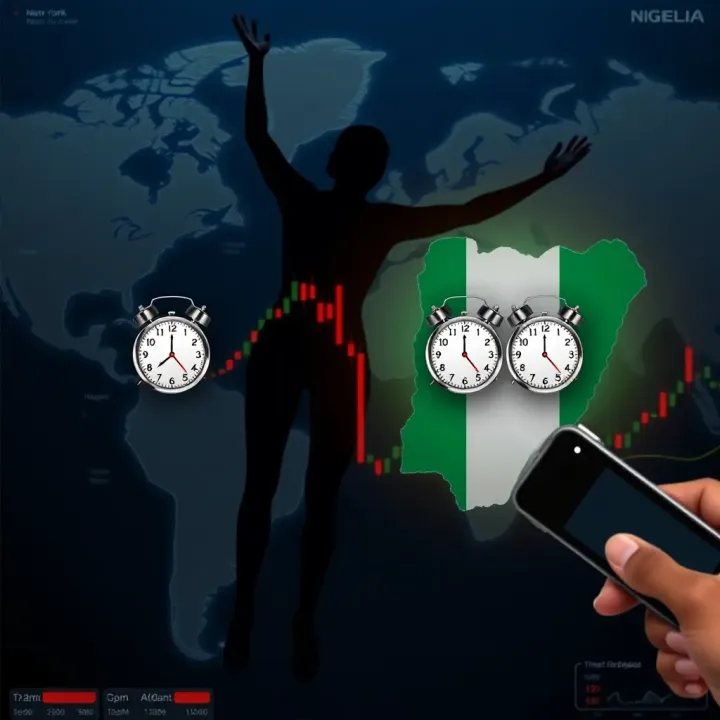
Discover when New York forex trading opens in Nigeria ⏰. Learn time differences, market impact, and tips to trade wisely during this session 🌍💹.
Based on 7 reviews