
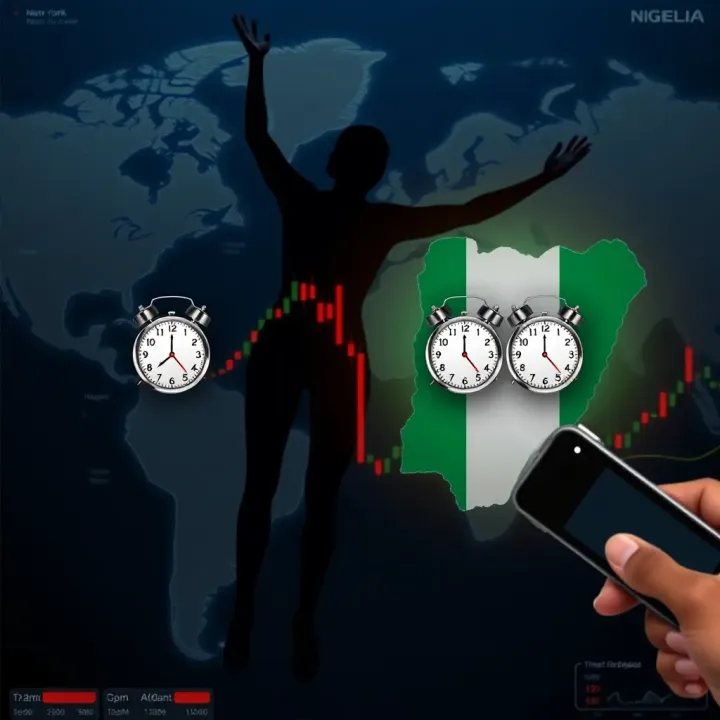
New York Trading Session Times for Nigerian Traders
Discover when New York forex trading opens in Nigeria ⏰. Learn time differences, market impact, and tips to trade wisely during this session 🌍💹.
Edited By
Edward Collins
The London trading session is often the busiest and most influential period in the global forex market. For Nigerian traders and investors, understanding when this session starts and ends in Nigeria time is vital for seizing the best opportunities. London’s financial market sets the tone for the day, affecting currencies, commodities, and stocks.
London operates on Greenwich Mean Time (GMT) or British Summer Time (BST) when daylight saving is active. Nigeria, on the other hand, stays on West Africa Time (WAT), which is GMT+1 all year. This means during BST (late March to late October), London is one hour behind Nigeria; outside BST, London and Nigeria share the same time.
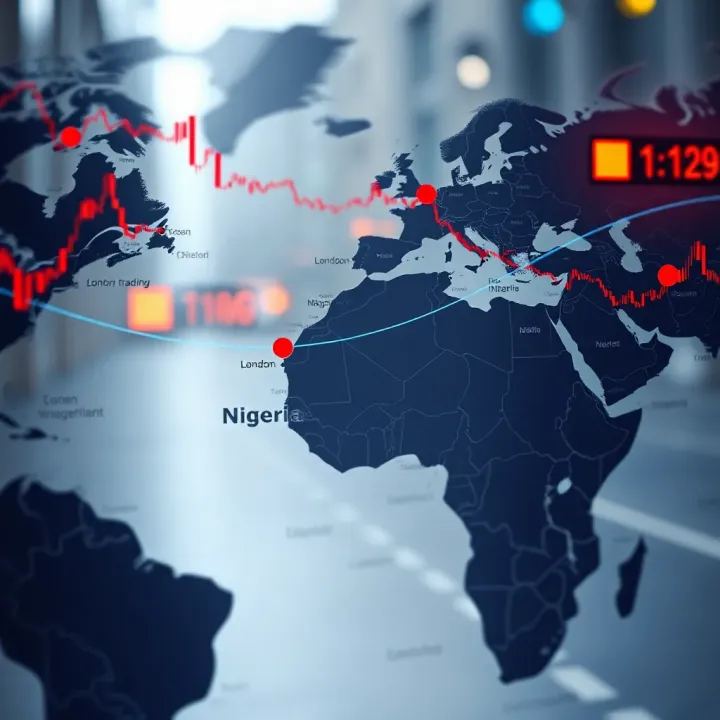
Start: 8:00 am WAT (when London opens at 8:00 am GMT)
Peak activity: 9:00 am – 12:00 pm WAT (overlap with New York market, high volume)
Close: 4:00 pm WAT (London market closes)
The overlap between London and New York sessions marks the highest liquidity, often leading to rapid price movements. Traders aiming for volatility should focus here.
Nigerian traders benefit because they can trade actively during normal business hours without night shifts. Local economic releases such as CBN monetary policies or inflation data sometimes align with London’s active market hours, causing local markets and naira pairs to move sharply.
Practical tips for Nigerian traders:
Track London open and close times precisely. Use a reliable world clock or trading platform set to WAT.
Focus on major pairs like GBP/USD, EUR/USD, and USD/NGN. These pairs respond quickly during London hours.
Watch for news releases between 8:00 and 10:00 am WAT. London news flow often triggers strong market reactions.
In sum, aligning your trading strategy with London session hours in Nigeria time can boost your chances of spotting the best trade setups without disrupting your daily routine. Keep an eye on the time difference shifts, and adjust your trading hours during BST for optimal results.
The London trading session is one of the busiest periods in the global forex market. It runs roughly from 8 am to 5 pm London Time (GMT or BST depending on the season), and overlaps with both the Asian and New York sessions at times. For Nigerian traders, understanding this session’s timing is vital since Nigeria operates on West Africa Time (WAT), which is normally the same as GMT, except during London's Daylight Saving Time.
This session’s significance lies in its large share of global currency trades, especially involving the US Dollar, Euro, British Pound, and Nigerian Naira pairs. Nigerian traders keen on forex or equities linked to international markets must watch the London session closely to catch market-moving events. For example, announcements on UK economic data, Eurozone updates, or major bank actions can lead to sharp price moves between 9 am and 11 am Nigerian time during London’s morning hours.
Forex markets operate 24 hours on weekdays, split into four main sessions: Sydney, Tokyo, London, and New York. Each session has distinct characteristics influenced by regional economic activities and trader behaviours.
Sydney session generally starts the day but has lower volumes and liquidity.
Tokyo session sees some activity in Asia but overlaps briefly with London.
London session dominates due to Europe's financial centres engaging in high-volume trades.
New York session follows and tends to see increased volatility, especially with USD-related pairs.
Traders in Nigeria benefit most from tracking the London session since it coincides with their daytime hours. When London starts, liquidity surges, spreads tighten, and volatility picks up, offering more opportunities to enter and exit trades efficiently.
London holds a central role because it hosts several major financial institutions, the Bank of England, and a large number of forex brokers. The city’s location bridges the gap between Asian and American markets, meaning it overlaps with two other sessions, creating peak trading periods.
For Nigerian traders, this means the London session often defines the day’s market direction. For instance, if the Bank of England tweaks interest rates or releases inflation figures, markets in Lagos react swiftly, especially in currency pairs like GBP/USD, EUR/USD, and even the USD/NGN.
Beyond currencies, many global commodities and equities also react during London hours. This can affect Nigerian stocks listed on the Nigerian Stock Exchange (NGX) that are sensitive to international market trends.
Understanding London’s role helps you time your trades better, manage risk, and align your strategies with global market flows.
By focusing on the London session, Nigerian traders get closer to the heartbeat of global finance, making it an essential part of any serious market participant’s schedule.
Understanding how to convert London trading hours to Nigeria time is essential for traders here. The London session is one of the most active periods in the forex market, and knowing when it opens and closes according to Nigerian time helps you catch market movements at the right moment. Since Nigeria and London operate in different time zones, this conversion ensures you don’t miss key trading opportunities or enter trades during quieter hours.
London runs on Greenwich Mean Time (GMT) during the winter months, while Nigeria follows West Africa Time (WAT), which is GMT+1. This means Nigeria is normally one hour ahead of London. For example, if the London session opens at 8:00 am GMT, it will be 9:00 am in Nigeria. Traders in Lagos or Abuja should remember this one-hour difference when scheduling their trading day.
However, this simple one-hour gap only holds during London’s standard time, usually from late October to late March. From late March until late October, London observes British Summer Time (BST), which is GMT+1. During this period, Nigeria and London share the same clock hour, so the London session opening at 8:00 am BST is also 8:00 am in Nigeria.
Daylight Saving Time (DST) in London directly affects Nigerian traders by shifting the session hours relative to Nigeria's local time. When London switches to BST in spring, the session appears to start an hour earlier for Nigerian traders if they do not adjust their clocks. For instance, if you’re used to trading the London session starting at 9:00 am local time (when London was on GMT), it will now start at 8:00 am Nigerian time because London moves forward.
Failing to account for DST can cause Nigerian traders to open positions too early or late, potentially missing the high liquidity periods that make the London session favourable. Always check whether London is currently on GMT or BST before trading.
Keeping track of these time changes can be challenging, but a quick daily check on London’s DST status saves you from costly timing errors.
Mark your calendar for the start and end of London’s DST to adjust your trading schedule accordingly.
Use smartphone alarms based on BST or GMT rather than just local time.
Confirm trading hours with your broker, as some platforms automatically adjust for time differences.
By mastering time conversion between London and Nigeria, you position yourself to trade with the rhythm of one of the world's largest forex markets, increasing your chances of profitable trades.
Understanding the key trading hours of the London session in Nigeria time helps traders plan their activities for maximum efficiency. Since forex markets operate across global time zones, knowing when the London market opens and closes in Nigerian time is crucial to catch the most active and profitable moments.
The London trading session typically opens at 8:00 am London time and closes at 4:00 pm London time. For Nigeria, which is usually one hour ahead of London, this corresponds to 9:00 am to 5:00 pm Nigerian time during standard time. However, during British Summer Time (BST), when London moves an hour ahead, Nigeria’s time effectively aligns with 8:00 am to 4:00 pm.
To put this in perspective, Nigerian traders who monitor the ₦/£ (Nigerian Naira/Pound Sterling) currency pair will find the highest activity during these hours. For example, a trader in Lagos starting work at 9:00 am can immediately tap into the opening volatility of the London market and make timely decisions based on fresh market data.
The London session holds some of the highest volatility levels through the day, particularly during the first two hours after opening and the last hour before close. These periods present opportunities for Nigerian traders to capitalise on sharp price movements.
Volatility peaks at 9:00 am to 11:00 am Nigeria time following the London market open. This is when big financial institutions and hedge funds execute their trades, pushing volumes and liquidity sharply upwards. Likewise, 4:00 pm to 5:00 pm Nigeria time marks the close of the London session and overlaps with the start of the New York session, creating another spike in market activity.
High liquidity means tighter spreads – a critical factor for traders as it reduces trading costs. A forex trader who prefers scalping or intraday trading strategies would find these times most profitable. For instance, currency pairs such as GBP/USD and EUR/GBP exhibit their most significant swings during these hours, offering practical entry and exit points.
Nigerian traders should watch closely when UK economic reports or Bank of England announcements coincide with these key hours, as market reactions tend to be immediate and forceful.
In summary, aligning your trading schedule with the London session's active hours in Nigerian time lets you capture critical price moves and manage trades with better precision. This knowledge is especially useful given Nigeria’s direct economic and financial links to the UK, particularly regarding remittances and investment flows.
The London trading session holds a special place for Nigerian traders because it overlaps with the peak business hours in Nigeria. This overlap means increased market activity and liquidity, particularly relevant to currency pairs involving the Nigerian naira (₦). Nigerian traders often find that the London session presents more trading opportunities due to higher volatility and volume, compared to other sessions.
The London session significantly affects currency pairs such as USD/NGN, EUR/NGN, and GBP/NGN. Since London is a global financial hub, news and economic data released during this period tend to influence these pairs directly. For example, if the Bank of England announces changes in interest rates or economic forecasts during London trading hours, GBP/NGN can experience sharp movements. Similarly, the USD/NGN pair reacts not only to US economic data but also to market reactions during the London session because many dollar transactions route through London.
Nigerian traders looking to profit from forex swings often focus on this session. The increased liquidity translates to tighter spreads and better execution, which are harder to find during quieter periods like the Asian session. Besides, the London session generally sets the tone for the rest of the trading day, giving traders a sense of market direction early on.
Local Nigerian events, such as Central Bank of Nigeria (CBN) policy announcements or major economic reports, often coincide with the London session. This clash can amplify market reactions due to the convergence of international and domestic factors. For example, if the CBN announces a change in the monetary policy rate during London trading hours, traders can immediately see the impact on currency pairs involving the naira.
Besides monetary policy, significant political developments or earnings reports from Nigerian companies listed on the Nigerian Exchange Group (NGX) can also influence market sentiment during this time. Since the London market is the world's second-largest forex centre, activity there can magnify these effects and provide Nigerian traders with more predictable market patterns.
Tip: Nigerian traders should pay close attention to the London session’s calendar, alongside local economic events. Combining awareness of both can help spot profitable trading setups and manage risks effectively.
In summary, the London trading session is where global financial news meets local Nigerian market realities. Understanding this interaction helps traders anticipate shifts in currency pairs like USD/NGN, and adapt quickly to economic data releases, making the London session indispensable for Nigerian market participants.
Trading during the London session offers Nigerian traders several advantages thanks to high liquidity and market volatility. However, the session's brisk pace also demands practical strategies and effective risk management. Nigerian traders who understand how to navigate this window can boost profitability and reduce losses.
During the London session, the forex market experiences sharp movements especially in major currency pairs like GBP/USD and EUR/USD that Nigerian traders frequently watch. To take advantage, consider these strategies:
Trend Following: London’s open often sets the tone for the day. Look for clear upward or downward trends forming within the first hour and trade along the momentum. For instance, if GBP/USD breaks the morning resistance level in Nigeria time, enter a buy position backed by strong volume.
Breakout Trading: London session kicks off after Tokyo closes, causing some ranges to break. Watching for price breakouts from overnight consolidation can signal good entry points. Nigerian traders can set stop orders just above resistance or below support established during quieter hours.
News-Based Trading: Key economic data releases from the UK or Europe fall within London hours. Traders in Nigeria should stay alert to announcements like Bank of England interest rate decisions or GDP figures, as these can cause spikes. Using tight stop-loss orders helps protect positions from sudden reversals.
Remember, no single strategy fits all. It’s best to backtest and practise on demo accounts before committing real funds, especially during volatile session openings.
Volatility is a double-edged sword in the London session. Profits can be substantial but so can setbacks. Here are ways to manage risks effectively:
Use Stop-Loss Orders: Never trade without clear exit points. Setting stop-loss limits minimises potential losses if the market suddenly reverses.
Position Sizing: Nigerians should adjust trade sizes to their capital and risk tolerance, perhaps risking only 1-2% of their trading capital per trade.
Avoid Overtrading: The excitement of London session volatility can lead to excessive trades. Traders must keep discipline and only enter trades with solid setups.
Monitor Market Hours: Some hours, like the first hour after London opens and the overlap with New York session, tend to be most volatile. Traders might choose to reduce exposure outside their comfort zones.
Effective risk management is not about avoiding losses entirely but controlling them so that gains outweigh setbacks over time.
By applying these practical tips, Nigerian traders can harvest better opportunities offered by the London trading session, balancing strategy and caution for consistent results.
Discover when New York forex trading opens in Nigeria ⏰. Learn time differences, market impact, and tips to trade wisely during this session 🌍💹.
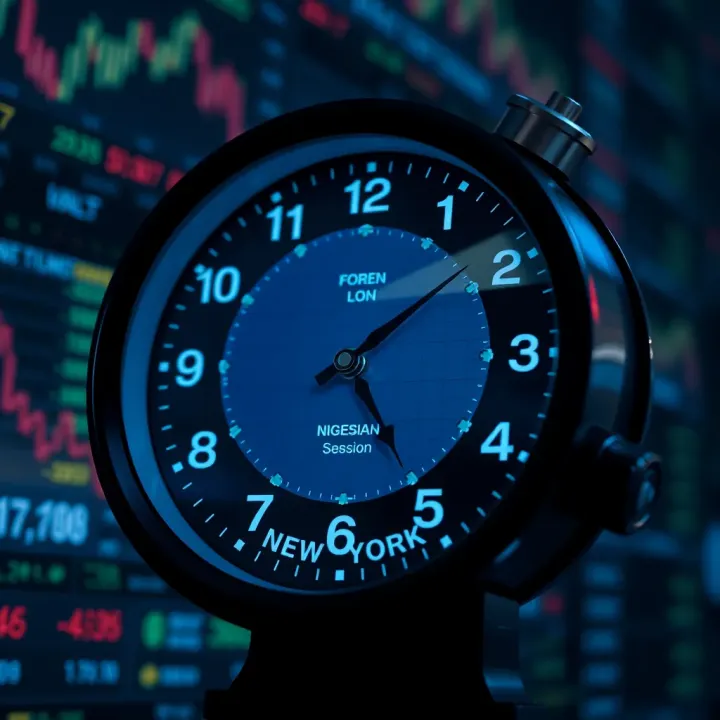
📈 Learn the exact start time of the New York trading session in Nigeria, how to manage time differences, and tips for trading smart during these hours.⏰
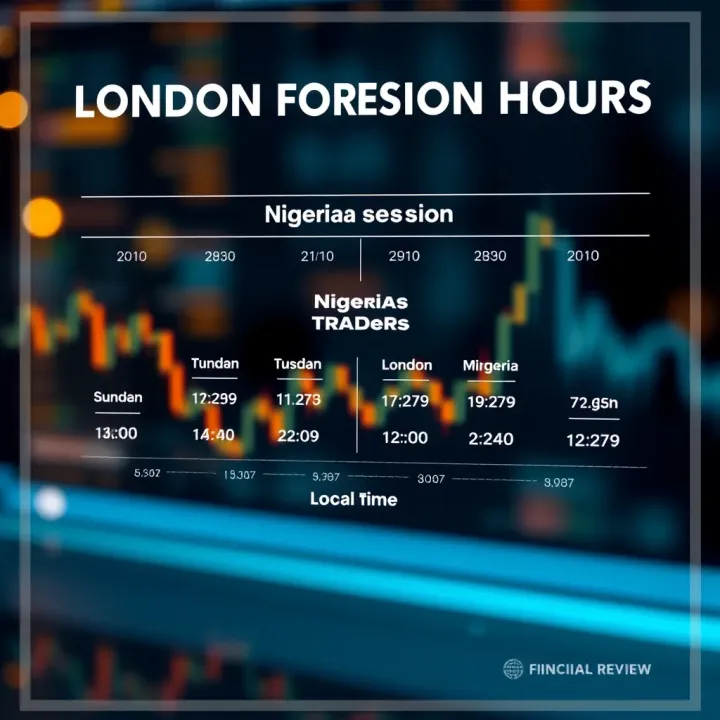
📈 Know the London Forex session hours in Nigerian time, spot overlaps with other markets, and get practical tips to optimize your trading schedule effectively.
📊 Navigate binary trade with clarity—learn key concepts, risks, and strategies designed for Nigerian traders aiming to make smart choices in this tricky market.
Based on 9 reviews