

How to Trade on app.deriv.com: A Complete Guide
📊 Explore app.deriv.com with our complete guide! Learn key features, account setup, trading tips, security, and support—perfect for Nigerian traders. 🇳🇬
Edited By
Sophie Lawson
Kwakol markets have long stood as key hubs where commerce and culture intersect, shaping the local economy and everyday life. Traders from various backgrounds gather here to sell everything from fresh produce and handcrafted goods to tokunbo electronics and textile materials. These markets not only provide vital income sources for the traders but also offer a rich social space where relationships within the community thrive.
Historically, Kwakol markets evolved organically, often sprouting at crossroads where farmers bring their harvest and artisans display their craft. Over time, these markets became more structured, accommodating diverse economic activities that cater to both rural and urban consumers. Their continued relevance is reflected in the daily foot traffic, which includes not just buyers and sellers but also service providers like mama puts and transport operators using okadas to ferry goods and people.
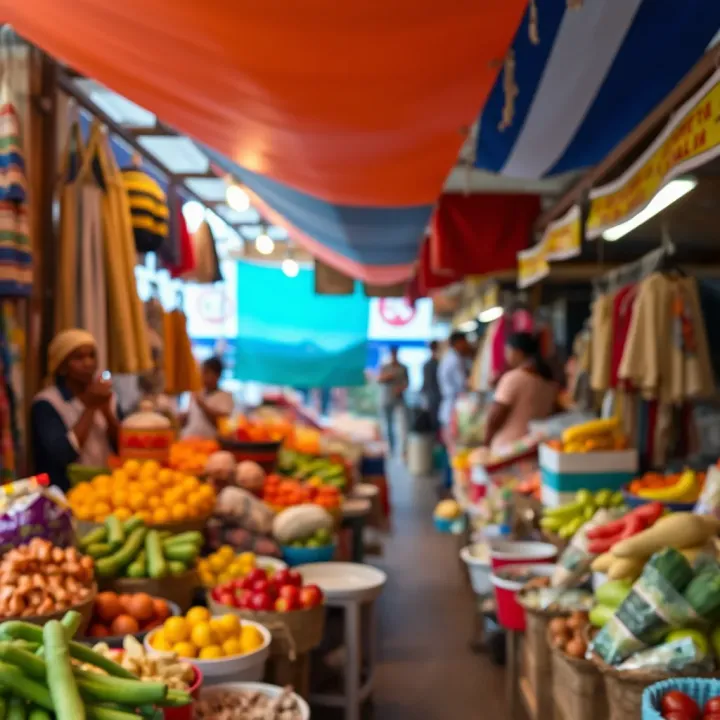
Several features make Kwakol markets stand out:
Variety of goods: From agricultural produce such as yams, cassava, and fresh vegetables to manufactured products, the markets offer a wide array of items that meet local demand.
Community engagement: Market days often coincide with social events, strengthening communal ties and cultural expression through music, dance, and food.
Economic contribution: These markets help circulate money within the local economy, supporting numerous micro, small, and medium enterprises (MSMEs).
Kwakol markets remain indispensable for many traders who rely on them as a primary source of livelihood, especially in areas where formal retail structures are limited.
Understanding the market dynamics here is vital for investors and entrepreneurs eyeing opportunities in retail trade, supply chain logistics, or agro-processing. While challenges such as inadequate infrastructure and fluctuating naira value affect operations, ongoing efforts to modernise stall designs, introduce cashless payments via platforms like Paystack, and improve security are encouraging signs of progress.
In the next sections, we will unpack how these markets operate, explore the culture behind the trading activities, and assess their broader impact on community development and economic growth in Kwakol and surrounding regions.
Understanding the origins and historical significance of Kwakol markets provides valuable insight into their enduring role as crucial hubs for trade and community life. These markets have not only shaped economic activity but have constantly reflected local traditions and social dynamics, offering traders and investors a rich backdrop for development and engagement.
Kwakol markets trace their beginnings back to the early 1900s, starting as small communal trading spots where farmers and artisans gathered weekly to exchange goods. These early markets emerged around river crossings and main paths that linked villages, which made them accessible and strategic for traders. The founding of Kwakol markets centred on serving the daily needs of local people, creating a centralised spot for agricultural produce like yams, cassava, and palm oil.
For traders and investors, this origin story highlights the organic growth of trade centres driven by practical demand and geography—important considerations when evaluating expansion or investment opportunities in local markets.
Over the decades, Kwakol markets expanded beyond agricultural trade to include textiles, livestock, and later, imported tokunbo goods. Road developments and improved transport increased accessibility, inviting traders from neighbouring states and even cross-border merchants from Cameroon and Chad. The markets adapted to changing demands, reflecting Nigeria’s broader economic shifts.
This evolution shows how adaptable Kwakol markets have been, making them resilient platforms that today welcome diverse traders and products. Such adaptability signals good potential for continuous economic activity and diversification, appealing for long-term business planning.
Strategically located, Kwakol markets became nodes in wider regional trade circuits linking Central and Northern Nigeria with the coastal regions. Traders used these markets to distribute goods that travelled tens of kilometres, including textiles from Kano and palm produce headed southwards. This connectedness also encouraged trade innovation and information exchange among merchants.
For entrepreneurs, this means Kwakol markets are not isolated, but rather integrated players in regional commerce. Tapping into these networks offers access to broader customer bases and supply chains.
Beyond commerce, Kwakol markets serve as social arenas where local customs and traditions come alive. Market days double as occasions for storytelling, traditional music, and informal gatherings where news circulates and relationships strengthen. This vibrant social interaction fosters trust and cooperation among traders and customers alike.
Recognising these social dimensions helps investors and traders appreciate the market as more than a sales point; it is a community pulse that encourages customer loyalty and smooth business operations.
Kwakol markets act as more than commercial centres—they are vital community spaces used for meetings, dispute resolution, and cultural ceremonies. Elders often use market days to discuss communal matters, and market associations help resolve trade disputes, ensuring fair dealings and order.
For businesses, supporting these community functions can build goodwill, while traders benefit from the structured environment that nurtures stable trade relationships.
Regular festivals tied to the market calendar celebrate harvests and trading milestones. These events combine colourful displays, traditional dances, and food fairs, drawing visitors from neighbouring towns and sparking increased market activity.
For vendors and investors, festival periods mean spikes in foot traffic and sales, making them ideal moments for promotions or launching new products.
Kwakol markets are more than physical spaces; they represent generations of trade, culture, and community interwoven in daily life. Understanding their origins and social significance equips traders and investors to engage more effectively, ensuring mutual growth and sustainability.
The goods, services, and traders in Kwakol markets form the backbone of their vibrant commercial ecosystem. These markets offer a diverse array of products that cater to both everyday needs and specialised demands, playing a key role in sustaining local communities and driving economic activity.
Kwakol markets are renowned for fresh, locally sourced agricultural produce. Items like yams, cassava, maize, peppers, tomatoes, and leafy vegetables are staples here. The direct link between farmers and traders ensures freshness and competitive prices, encouraging consumers to prefer local products over imported ones. Many rural farmers depend on these markets as primary outlets for their harvest, making them central to sustaining regional food security.
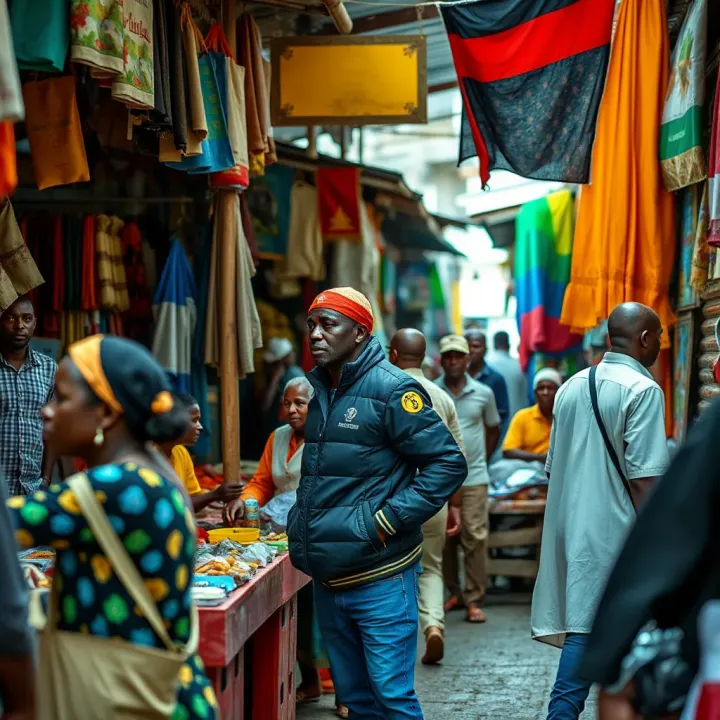
Clothing and textiles hold cultural and economic significance in Kwakol markets. From vibrant aso ebi fabrics to comfortable everyday wear, you’ll find a broad selection catering to various tastes and budgets. Traders often stock Ankara, lace, and adire cloths alongside ready-made garments. This diversity supports both traditional dressing and contemporary fashion trends, attracting customers from surrounding areas who rely on these markets for reliable and affordable attire.
Tokunbo goods—imported second-hand items—fill a vital niche in Kwakol markets. These range from electronics and household appliances to vehicles and mobile phones. The affordability of tokunbo items makes them accessible to many Nigerians who might not otherwise afford brand-new products. Additionally, some traders supplement these with imported new goods such as cosmetics and gadgets, diversifying their offerings and helping the market remain competitive against formal retail channels.
Women dominate a large proportion of trade activities within Kwakol markets. Often, they handle foodstuff, textiles, and small household goods, acting as primary earners for many households. Their role goes beyond selling; they organise supply chains, credit arrangements, and community support networks. This presence empowers women economically and socially, reinforcing their importance in both market sustainability and community cohesion.
The market also serves as a launchpad for young entrepreneurs and small business owners. Many youths start small-scale ventures trading in telecom accessories, fast-moving consumer goods, or beauty products. The flexible market environment allows them to test business ideas with relatively low capital, gain experience, and build a customer base. This demographic injects innovation and energy into the market, ensuring its adaptability even amid economic fluctuations.
Seasonal traders come to Kwakol markets primarily during harvest periods or festival seasons, selling farm produce or festive items. Similarly, itinerant traders travel between markets, bringing in products not typically stocked locally. Their movements enhance product variety and price competition. However, their fluctuating presence sometimes creates supply volatility, which traders and customers alike must navigate carefully.
Kwakol markets thrive because they blend traditional commerce with evolving trade patterns, supported by diverse trader profiles and plentiful goods.
This rich mix of products and traders makes Kwakol markets a dynamic hub for commerce and culture, essential to the local economy and community resilience.
Kwakol markets serve as key economic engines for nearby communities, generating jobs, fostering trade, and supporting informal businesses. Their impact extends beyond simple commerce to shaping livelihoods in both urban and rural settings.
Practically, Kwakol markets provide employment for hundreds of traders, transporters, and service providers daily. Women dominate many stalls, selling fresh produce, textiles, and food items. This income is often the primary support for households. For instance, a woman running a food stall in Kwakol can earn ₦3,000 to ₦5,000 daily, helping pay school fees or household bills. Beyond traders, market activities also create opportunities for labourers who handle loading, cleaning, and security, supporting wider community welfare.
Kwakol markets connect rural farmers and urban consumers, forming a vital supply chain. Farmers from surrounding villages bring yams, cassava, and vegetables to sell, while urban residents access these goods at competitive prices. This rural-urban link reduces food wastage and ensures fresh goods circulate efficiently. In Lagos or Abuja, traders sourcing from Kwakol can supply roadside bukaterias, showing the market’s reach.
The informal economy thrives at Kwakol markets. Small-scale entrepreneurs often start here with little capital, offering services like tailoring, repairs, or food vending. This flexibility attracts youth and women who face barriers in formal employment. Informal credit arrangements among traders also build financial resilience. As a result, Kwakol markets act as incubators for nascent businesses that may eventually formalise or expand.
Poor drainage, limited waste disposal, and insufficient shelter pose ongoing challenges. During the rainy season, waterlogging can halt trade and damage goods. Waste piling up also attracts pests, affecting food safety. These problems raise health risks and reduce customer footfall, which hits traders’ earnings. Investments in basic infrastructure improvements are urgently needed to maintain the market's economic viability.
The bustling nature of Kwakol markets creates security gaps. Incidences of petty theft, pickpocketing, and occasional clashes disrupt business. Traders sometimes report inadequate police presence or slow response to complaints. This environment can deter shoppers who fear losing valuables, affecting overall market activity. Strengthening community-police partnerships and deploying market vigilante groups with proper training could help improve safety.
Kwakol markets are vulnerable to sharp price swings caused by factors like poor road conditions, fuel scarcity, or political unrest. These disruptions increase transport costs, which traders pass on to consumers. For example, during ember months when demand spikes, prices for staple foods like rice or beans can rise steeply, straining low-income buyers. Reliable supply chain management and better road maintenance would ease these issues and stabilise market prices.
Kwakol markets stand as economic lifelines for many, but addressing infrastructure, security, and supply challenges is vital to sustaining their role in community prosperity.
In summary, Kwakol markets drive local economies through multiple channels but require targeted support to overcome persistent hurdles. For investors and entrepreneurs, understanding these dynamics offers opportunities to engage profitably while contributing to community growth.
Modernisation efforts in Kwakol markets are reshaping how business thrives, while ensuring these hubs remain relevant in a changing economic landscape. As trade patterns evolve, updating infrastructure and integrating new technologies help markets attract customers and boost traders’ earnings.
Several government and private sector partnerships have kicked off market renovation projects in Kwakol. These upgrades address worn structures, poor sanitation, and inadequate facilities like stalls and storage areas. For example, some markets now feature better roofing to protect goods from rain, expanded walkways to ease congestion, and improved lighting to enhance security for night trading.
Such renovations reduce downtime caused by maintenance-related disruptions and strengthen traders’ ability to display products attractively, encouraging higher sales. Renovated markets also draw more visitors, expanding the customer base for local entrepreneurs.
Access to credit has long limited traders’ ability to expand inventories or invest in better equipment. New initiatives aim to ease this by connecting traders with microfinance institutions and fintech platforms offering low-interest loans and flexible repayment plans.
For instance, some trader cooperatives collaborate with banks to facilitate group loans, while fintech services like Kuda or PalmPay provide quick digital loans based on transaction histories. This financial inclusion helps traders scale operations, diversify products, and cushion themselves from seasonal income fluctuations.
Modernisation also includes shifting from cash-based sales to digital payments. Kwakol markets are gradually adopting solutions like mobile wallets, POS terminals, and QR code payments. Traders using these technologies have reported quicker transactions and safer handling of funds compared to carrying large cash sums.
Beyond payments, smartphone apps enable traders to track sales, manage stocks, and communicate with suppliers. Such tools improve business efficiency and open doors to online marketplaces, expanding reach beyond the physical market.
Sustainability efforts focus on minimising waste and promoting eco-friendly practices within Kwakol markets. Traders are encouraged to use reusable packaging and proper waste disposal methods to reduce pollution. Some markets have introduced waste bins and routine clean-up programmes funded by trader contributions and local authorities.
These green initiatives help maintain a cleaner market environment, improving public health and attracting more customers who appreciate hygienic shopping conditions.
Trader associations have become instrumental in managing market affairs and advocating for members' interests. They organise cooperative purchasing to lower input costs, coordinate training sessions on business skills, and liaise with local governments for support.
Such collective action strengthens traders’ bargaining power and promotes a sense of shared responsibility, fostering a more organised and productive market community.
Youth participation is gaining momentum as young entrepreneurs introduce innovative ideas into Kwakol markets. Through incubation programmes and training workshops, youths learn to combine traditional trade with digital marketing and social media to reach wider audiences.
The energy and fresh perspectives from these young traders drive market vitality and help adapt to future challenges, ensuring Kwaokol markets remain dynamic economic centres for years ahead.
Modernisation efforts ensure that Kwakol markets not only preserve their cultural and economic importance but also evolve to meet the demands of today’s traders and consumers.
By integrating infrastructure upgrades, financial access, technology, and community-driven sustainability, the markets are set on a path toward greater prosperity and resilience.
Visiting Kwakol markets offers a firsthand look at dynamic trade and rich culture that shape the local communities. Whether you're a trader seeking new business opportunities or an investor scouting for unique products, knowing how to navigate these markets can drastically enhance your experience. Practical tips help you save time, negotiate better deals, and understand the customs that keep the markets vibrant.
Early mornings, between 7 am and 10 am, are ideal for exploring Kwakol markets. Traders display fresh produce such as yams, peppers, and garden eggs at this time, ensuring the best quality and variety. Visiting during weekdays avoids the weekend rush, particularly important during ember months when demand surges. For example, if you want to buy local spices or textiles, arriving early means you get to pick before popular items run out.
Bargaining is a normal part of shopping in Kwakol markets and can reduce prices by 10-20%, sometimes more. Successful negotiation depends on being respectful and patient. Start by asking for the price, then make a reasonable counteroffer. For instance, if a basket of tomatoes is priced at ₦2,000, offering ₦1,600 might be a good starting point. Also, buying in bulk often helps secure better deals.
Kwakol markets carry a mix of locally made and imported items, including tokunbo goods. To spot authentic local crafts, look for signs such as traditional weaving patterns, hand-dyed textiles, or identifiable community marks. Authentic agricultural produce tends to be fresher and sold by women known for specific goods—like cassava or maize. When in doubt, ask traders for their source or look for customer recommendations, as word of mouth plays a big role here.
Building rapport with traders can open doors to better prices and exclusive products. A polite greeting and engaging in brief small talk about market happenings go a long way. Remember, many traders conduct business on trust and relationship rather than strict formal contracts. For example, acknowledging a trader’s advice on the best item or season for purchase helps foster goodwill.
Respect for local customs is key in Kwakol markets. Dress modestly and avoid behaviours that can be seen as disrespectful, such as haggling loudly or showing impatience. It’s common to offer small tokens of appreciation or simply thank sellers as part of the interaction. Remember, the market is a social as well as economic space; traders often view customers as part of their community.
Markets can be crowded, so keeping an eye on your belongings is important to avoid pickpocketing. Also, consider hygiene—use hand sanitiser before and after shopping, especially when handling fresh produce. Avoid eating street food unless sold by trusted vendors known for cleanliness. During rainy seasons, the ground can be slippery, so wear comfortable and sturdy footwear.
Experiencing Kwakol markets fully means blending savvy shopping with respect for the local culture, ensuring practical benefits and memorable interactions.
Embrace these tips to make the most of what Kwakol markets offer, whether your interest is in trading, investment, or cultural exploration.
📊 Explore app.deriv.com with our complete guide! Learn key features, account setup, trading tips, security, and support—perfect for Nigerian traders. 🇳🇬
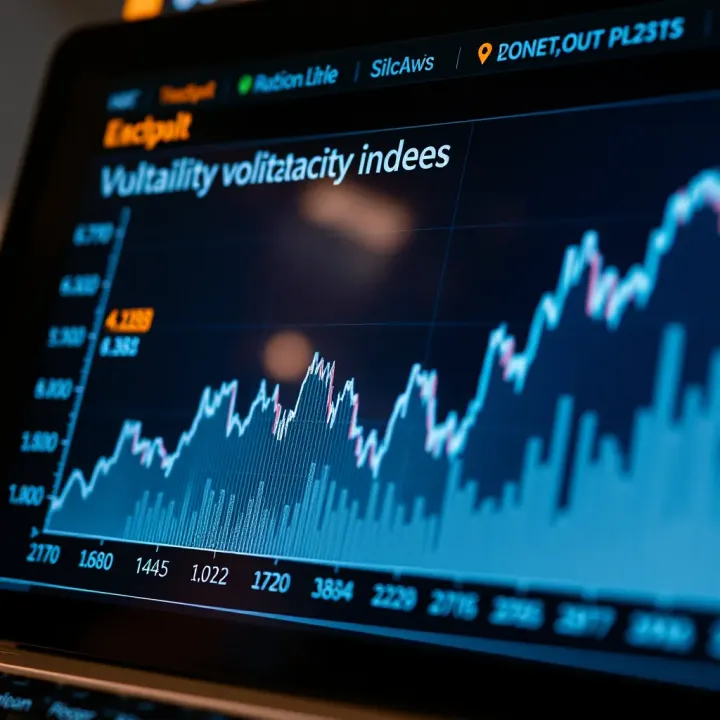
📊 Discover how volatility indices work, their impact on markets, and practical tips for Nigerian investors to manage risk and enhance trading decisions.
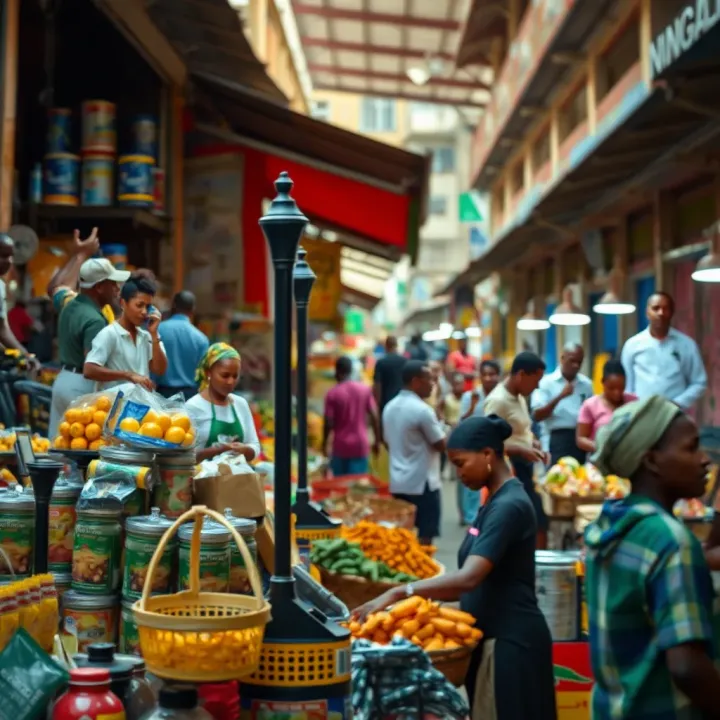
Explore how vital markets shape Nigeria's economy 🇳🇬, their key roles, challenges they face, and ways to boost them for steady growth 📈.

📈 Learn to analyze the Volatility 75 Index on TradingView for smarter binary options trading in Nigeria. Discover charts, strategies, and risk tips!
Based on 5 reviews