

US Forex Trading Hours and Nigeria Time Explained
🌍 Learn how US forex trading hours match Nigerian time, what to expect from this session, and smart strategies Nigerian traders can use to trade confidently 📈
Edited By
James Harrington
Forex trading never sleeps fully, but understanding when the market actually opens and closes is key to making the most of trading opportunities. For Nigerian traders, knowing the forex trading hours in relation to West Africa Time (WAT) helps in planning trades at the most active and profitable times.
The forex market runs 24 hours a day from Monday to Friday, involving different sessions based on major financial centres across the world. These sessions are distinguished by their unique opening and closing times, reflecting the business hours of stock exchanges and banks in various cities such as London, New York, Tokyo, and Sydney.
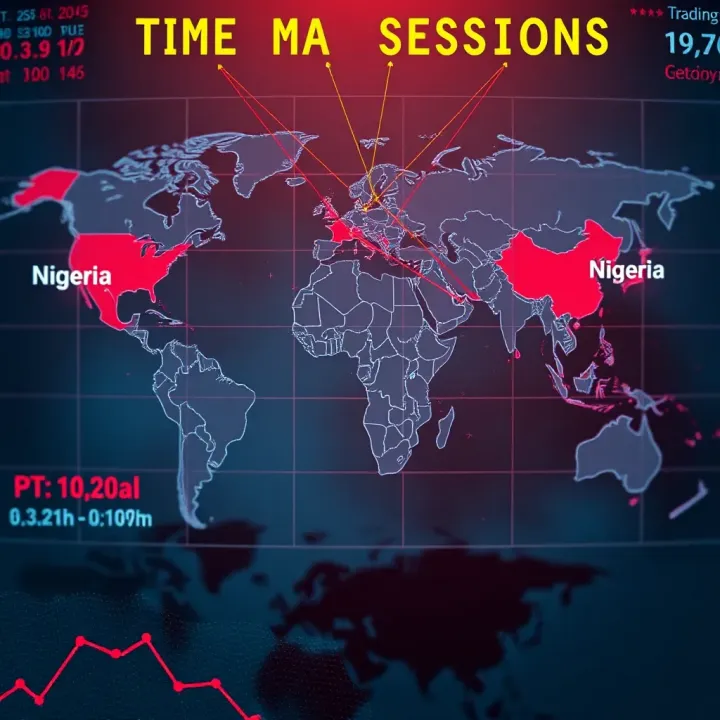
Since Nigeria operates on WAT (UTC+1), it is crucial to convert global forex market timings into local time to avoid missed trades or trading during low liquidity periods. For example, the London session, which is typically very active, runs from 8:00 am to 4:00 pm GMT. In WAT, this becomes 9:00 am to 5:00 pm. Knowing this helps you catch the London market’s movements without confusion.
Tip: Always double-check daylight saving changes in other countries because Nigeria does not observe daylight saving time. This impacts the time gap during certain months.
Understanding the four main forex trading sessions and their Nigerian time equivalents enables you to:
Identify peak trading hours with higher market volatility
Avoid periods when the market is thin, thus reducing slippage risk
Plan trading activities around personal schedules, especially for part-time traders
Here’s a quick guide to the sessions in WAT:
Sydney session: 9:00 pm – 6:00 am
Tokyo session: 12:00 am – 9:00 am
London session: 9:00 am – 5:00 pm
New York session: 2:00 pm – 10:00 pm
These overlapping times, like when London and New York sessions coincide, usually bring the most movement. Nigerian traders who target these windows can find better spreads and trading opportunities.
So, mapping forex trading hours to Nigerian time supports smarter decisions. It’s not just about when the market opens, but understanding how time zones affect your strategies to improve profit potential and risk management.
Understanding how forex trading operates globally lays the groundwork for Nigerian traders aiming to navigate this vast market. The forex market is a decentralized network where currencies from different countries are bought and sold continuously. Its global nature means that trading doesn’t happen in a single location but across multiple financial centres, each opening and closing based on its local time.
The major forex markets centre around four key regions: London, New York, Tokyo, and Sydney. London is often seen as the forex capital, responsible for around 30% of daily trading volume, closely followed by New York. Tokyo and Sydney serve Asian and Oceania traders. Each market serves different currency pairs with specific regional influences. For example, USD/EUR often sees the highest activity during London and New York hours, while USD/JPY peaks during Tokyo’s session. This variety allows traders to participate nearly any time, depending on their focus.
Unlike stock markets which typically run during fixed hours, forex functions virtually without pause from Monday morning in Sydney to Friday evening in New York. This continuous cycle reflects the world’s time zones and means traders can enter or exit positions almost any time. However, liquidity and volatility are not consistent throughout the day. Trading tends to peak during session overlaps – notably when London and New York exchanges operate simultaneously. For Nigerians, appreciating this 24-hour rhythm helps in selecting the best trading slots according to local time (West Africa Time - WAT).
The forex market’s global, nonstop nature provides flexibility but demands that Nigerian traders adapt to time zone differences to spot when major market movements happen.
By understanding these basic principles, you can better plan trades to coincide with active periods and also avoid times when markets are quieter and spreads widen. This knowledge is crucial for optimising strategies, managing risk, and improving profitability in forex trading from Nigeria.
Understanding Nigeria’s time zone, West Africa Time (WAT), is essential for anyone involved in forex trading within the country. Since the forex market operates across various global sessions influenced by different time zones, aligning these with Nigerian time helps traders know exactly when to act. This reduces guesswork, allowing for well-timed entries and exits that can boost profitability.
Nigeria is one hour ahead of Greenwich Mean Time (GMT+1), which means that the working hours in major forex hubs like London or New York occur at distinct local times here. Failing to consider these differences often leads to missed opportunities or trading during less profitable hours.
West Africa Time is the standard time zone for countries in West Africa, including Nigeria. It is UTC+1 without daylight saving time changes. This simplicity allows traders to rely on consistent timekeeping throughout the year, unlike places like the United States or UK where clocks shift forward or backward.
For Nigerian forex traders, WAT being fixed year-round means they need to stay alert to daylight saving changes abroad, which affect when global market sessions open and close relative to Nigerian time.
The London forex market opens at 8 am GMT and closes at 4 pm GMT. For Nigerian traders, this translates to 9 am to 5 pm WAT. This session overlaps with Nigeria’s typical business hours, making it very convenient to follow. Because London is a major financial centre, the London session experiences significant volatility and liquidity, especially during the opening hour. Traders in Nigeria can take advantage of this period to trade major currency pairs like GBP/USD and EUR/USD.
The New York market generally operates between 8 am and 5 pm EST, which corresponds to 2 pm to 11 pm WAT. This session starts in the afternoon for Nigerian traders, extending into the night. Since the New York session overlaps with the London session between 2 pm and 5 pm WAT, this period often has the highest trading volumes and volatility. Nigerian traders who prefer to trade in the evenings can focus on this session to monitor USD pairs actively.
The Tokyo forex market runs from 9 am to 6 pm JST, which converts to 1 am to 10 am WAT. This means Nigerian traders can catch the Tokyo session in the early morning hours before starting their day. Although liquidity is generally lower than London or New York sessions, the Tokyo session is important for currency pairs involving the Japanese yen. Traders looking to exploit movements in pairs like USD/JPY or EUR/JPY should prepare to trade during these early hours.
Sydney operates from 7 am to 4 pm AEST, corresponding to 10 pm to 7 am WAT. The Sydney session is the first to open globally each day. Nigerian traders engaging in this session must often trade late at night or very early in the morning. While this session has comparatively lower liquidity, it sets the tone for the trading day ahead. Pairs involving the Australian dollar and New Zealand dollar are mostly active during this period.
In summary, knowing how the major global forex sessions translate to West Africa Time allows Nigerian traders to plan their activities better. Aligning trading schedules with periods of higher liquidity and volatility in their local time can yield better market entries and overall outcomes.
Choosing the right trading hours significantly affects profitability and risk management for Nigerian forex traders. The forex market operates 24 hours, but some sessions offer better opportunities due to higher liquidity and volatility. Understanding when these peak times happen in West Africa Time (WAT) helps traders plan smarter and avoid periods with low market activity that might produce unpredictable price moves.
The most active period in the forex trading day is the overlap between the London and New York sessions. This overlap occurs roughly between 2 pm and 6 pm WAT. During this time, two major financial centres operate simultaneously, increasing the volume of trades and currency movement. This results in tighter spreads and greater price fluctuations, setting a fertile ground for short-term trading strategies.
For example, from 3 pm to 5 pm WAT on a typical trading day, the volume of trades involving the US dollar and the British pound surges. As a Nigerian trader, focusing your trading window within these hours can boost your chances of entering and exiting profitable trades due to the heightened activity.
Currency pairs like GBP/USD, EUR/USD, and USD/JPY experience their highest liquidity and volatility during the London-New York overlap. These pairs are popular among Nigerian traders because they have narrow spreads and ample trading volume, which cuts down transaction costs.
Higher liquidity during overlap means price movements are usually more predictable and less susceptible to manipulation. It’s much safer for swing or day traders to rely on these sessions compared to less active hours where sudden jumps could occur. For instance, trading GBP/USD around 4 pm WAT typically provides clearer signals for entering or closing positions compared to late-night hours when the market thins out.
Considering daily routines and economic realities in Nigeria, pragmatic trading hours generally fall between 8 am and 6 pm WAT. This period spans the major forex sessions from Tokyo winding down to the peak London-New York overlap.
Traders should note that the Tokyo session overlaps a little with early London hours, roughly 8 am to 10 am WAT, which can be a decent time for trading yen pairs. However, the real action picks up later when the London market starts. Nigerian traders often find late morning through to early evening the best time to be alert and active in the market.
Aligning your trading time with these sessions doesn’t just boost profit potential; it also helps you avoid fatigue and plan better around your work or personal commitments. Using technology like trading apps or alerts can ensure you never miss the key hours when forex movements are most significant.
Planning your trades around these sessions helps you make the most out of Nigeria’s time zone position in the global market, so pick your hours wisely and prepare your strategies to capitalise on peak times.
Trading forex from Nigeria means you must navigate certain factors that influence market hours beyond your country's time zone. These factors can change when and how you trade, impacting your strategy and potential profitability. Staying aware of them helps you avoid costly mistakes and position your trades more effectively.
Nigeria does not observe daylight saving time (DST), but many forex market hubs do, notably London and New York. This causes their market hours to shift by one hour twice a year. For Nigerian traders, this means the Forex session timings in West Africa Time (WAT) will vary depending on the season.
For instance, during British Summer Time (BST), the London session opens earlier for Nigerians—usually at 8 am WAT instead of 9 am. Similarly, the New York session adjusts when US clocks go forward or back. This can affect liquidity and volatility during certain windows, so traders need to update their schedules accordingly.
Ignoring DST can lead to missed trading opportunities or entering trades when markets are less active. A practical approach is to mark DST changes in your calendar and adjust trading hours for those weeks.
Although Nigerian public holidays don’t close global forex markets, they tend to affect local trader activity and liquidity. On days like Independence Day (1 October) or Sallah celebrations, you might find reduced participation from Nigerian firms and retail traders, leading to thinner markets domestically.
Lower local participation can result in wider spreads and slower price movement during your usual trading hours, especially if these holidays coincide with less active global sessions like the Tokyo or Sydney ones. Moreover, some Nigerian brokers might operate limited hours or pause services during these holidays.
Traders should factor this in by either adjusting their trading times or reducing exposure on Nigerian holidays when local market dynamics are weaker. Keeping an eye on the Nigerian public holiday calendar ensures you stay in tune with local market liquidity trends.
Understanding these timing factors is not just about knowing when markets open or close. It’s also about adapting your trading plan to real-world changes that influence market flows and your access to liquidity.
In summary, Nigerian forex traders should always account for daylight saving time shifts abroad and keep track of local holidays. These help you align your trading hours properly with the most liquid and volatile periods, improving your chances for better trading outcomes.
For Nigerian forex traders, aligning trades with local time is more than just convenience—it directly affects decision-making and profitability. Knowing how market hours fit into West Africa Time (WAT) helps you avoid trading during low liquidity periods, which often leads to unpredictable price swings or slippage. Beyond understanding the schedules, it’s important to actively manage your trades considering Nigeria’s specific timezone and lifestyle factors.
Technology is key to navigating forex trading hours effectively. Most trading platforms like MetaTrader 4 or MetaTrader 5 allow you to set alerts based on your time zone. For example, if you want to trade during the London-New York session overlap, you can schedule notifications for 2 pm to 5 pm WAT. Mobile apps like Investing.com or Forex Factory provide real-time economic calendars and market session timings tailored to Nigerian time. Using these tools reduces guesswork and helps avoid errors caused by time zone confusion.
You can automate aspects of your trading strategy too. Some traders programme their Expert Advisors (EAs) to only execute trades during high volatility periods corresponding to the London session or New York open, which fall between afternoon and evening hours in Nigeria. This approach cuts out unnecessary exposure during quieter times when spreads widen and risks grow.
Trading forex around Nigerian lifestyle demands deliberate schedule adjustments. The prime trading hours—when the London and New York markets overlap—typically run from 2 pm to 5 pm WAT. However, this time might cut across your workday or family commitments. One way to manage this is by planning your most active trades immediately after your peak daily tasks, ensuring focus without distraction.
Also, consider preparing your trade analysis in the morning, so you are ready when the market gets lively. Some traders split their day: analysis before noon, and execution during market peaks in the afternoon or early evening. This division helps maintain discipline and prevents impulse actions caused by fatigue or interruptions.
Moreover, adapting your sleep cycle during daylight saving time changes in Europe or North America is essential because these affect when markets open and close relative to Nigerian time. Staying informed about these shifts means you won’t miss crucial trading opportunities nor be caught off guard by sudden volatility.
Tracking the market hours in your local time and adjusting your schedule accordingly gives you a sharp edge. It makes trading less about chance and more about strategy.
Being aware and intentional in managing your trading hours within the Nigerian context can significantly improve your chances of success. Employing the right technological tools and structuring your day for trading efficiency will help you stay ahead, even as the forex markets keep ticking globally.
🌍 Learn how US forex trading hours match Nigerian time, what to expect from this session, and smart strategies Nigerian traders can use to trade confidently 📈
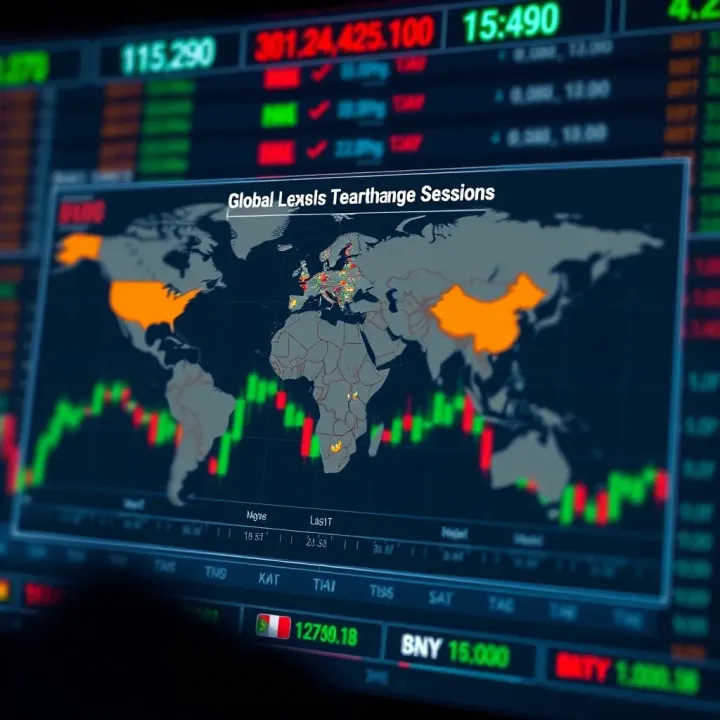
📈 Learn when to trade Forex in Nigeria with local session hours, daylight saving tips, and strategies to make the most of market timings. 🌍💹
📈 Learn how margin lets Nigerian forex traders control big trades with less money. Understand margin rules, avoid risks, and trade smarter today!

📊 Learn how margin level affects your forex trades in Nigeria. Discover how to calculate it, manage risks, and improve your trading safety effectively.
Based on 13 reviews