

Best Forex Brokers in Nigeria with Low Deposits
Discover top forex brokers in Nigeria with low minimum deposits 💰. Learn about regulation, fees, platforms, account types, and support to trade smarter.
Edited By
Charlotte Evans
Starting forex trading in Nigeria with just $1 is no longer a pipe dream. Thanks to brokers that accept such low minimum deposits, Nigerians can now enter the forex market without risking large sums upfront. This gives fresh traders a chance to test the waters, familiarise themselves with trading platforms, and gain confidence before scaling their investments.
Choosing forex brokers with $1 minimum deposit offers several advantages. It lowers the financial barrier, allowing you to learn trading tactics and strategies without heavy losses. Plus, it’s easier to manage risks at this level, especially in Nigeria where naira exchange rate fluctuations and economic uncertainties pose challenges.

Trading forex with a $1 deposit lets you participate in the global currency market while preserving your capital.
Keep in mind, though, trading with minimal funds means your profit margin may be small, and some brokers could charge higher spreads or fees to balance their costs. You’ll want to verify all charges before committing your money. Also, not every broker offering $1 deposit is reliable; checking for proper licences and regulatory compliance is essential.
Here are some tips when dealing with $1 deposit forex brokers in Nigeria:
Check if they are regulated by authorities like the Financial Conduct Authority (FCA) or ASIC, even if they accept Nigerian clients.
Compare spreads and commissions, since fees can eat into profits significantly with small deposits.
Confirm available trading tools and educational support, as your learning curve depends on these.
Examine deposit and withdrawal options, favouring platforms that support local payments like bank transfers or popular e-wallets.
Forex brokers such as Exness, XM, and FBS are popular in Nigeria for their low deposit requirements and user-friendly platforms. These brokers offer swift account opening processes and allow trading on major pairs like USD/NGN.
Understanding how minimum deposit works helps you avoid pitfalls. Some brokers advertise $1 deposits but enforce higher initial trade sizes. Always read terms on margin, leverage, and position sizes before opening an account to ensure your $1 can really get you trading.
In summary, starting forex trading with just $1 in Nigeria is feasible but demands careful broker selection and risk awareness. This practical approach keeps your capital safe, while giving you a firm grip on forex basics, creating a foundation for future success.
Forex trading in Nigeria has grown significantly, attracting many eager to test the waters without risking much capital. Forex brokers offering low minimum deposits, especially those allowing just $1 to start, have made trading accessible to a broader audience. Understanding what this entails helps traders, particularly beginners and small-scale investors, to navigate the market smartly and avoid common pitfalls.
A $1 minimum deposit signifies the smallest amount of money you need to fund your trading account to start buying and selling currencies. It’s a practical way to enter forex markets without committing large amounts upfront. For example, instead of having to put down $100 or more as some brokers require, you can start with just the equivalent of ₦450 to ₦500, depending on the exchange rate. This low barrier allows you to try out platforms, understand market mechanics, and build confidence without stressing your pocket.
However, this doesn’t mean you’ll be making big gains immediately or trading huge lots with such a small deposit. The $1 deposit is more about accessibility than immediate profits. It allows you to test strategies, learn how spreads and leverage work, and get familiar with order types before committing more funds.
In contrast, many typical brokers require minimum deposits ranging from $50 to $500. These higher thresholds can be intimidating or impossible for people with limited funds or those new to forex trading. For instance, a ₦20,000 deposit might be a stretch for a fresh graduate or small trader. So, the $1 minimum deposit model opens doors for those who want to step into forex without large upfront investment.
The validity and safety of a forex broker largely depend on regulation and licensing. In Nigeria, brokers are expected to comply with rules set by global bodies like the Financial Conduct Authority (FCA), Cyprus Securities and Exchange Commission (CySEC), or local regulators such as the Securities and Exchange Commission (SEC) Nigeria, though SEC’s forex regulation is still developing. Licensed brokers follow strict guidelines to protect traders' funds and ensure fair trading practices. Conversely, unlicensed brokers may pose significant risks, including fraudulent activities.
Local payment options and currency considerations play a big role in daily trading operations for Nigerian clients. Brokers accommodating deposits and withdrawals through Nigerian bank transfers, USSD channels, or popular e-wallets like OPay and PalmPay make trading smoother and cheaper. Since the Nigerian Naira (₦) is subject to fluctuations and foreign exchange controls, brokers that accept deposits in naira and convert internally reduce hassles and hidden conversion fees. For example, using bank transfers directly from a GTBank or Zenith account to fund a trading wallet saves both time and extra costs compared to using international cards.
Trading with brokers that offer $1 minimum deposit and support local payment methods makes forex more approachable for Nigerians, especially those still learning or with tight budgets. Understanding these basics prevents surprises and builds a solid foundation for your trading journey.
Trading forex with a minimum deposit of $1 offers a mix of clear advantages and some restrictions. For Nigerians looking to get their feet wet in forex trading, this low entry barrier reduces financial exposure significantly. However, it also comes with some trade-offs that every trader should understand before diving in.
Starting with $1 means you won’t risk much money upfront. For many Nigerians, especially those just testing the waters, losing ₦500 or ₦600 in a beginner trade feels a lot less burdensome than staking thousands of naira. This low-risk approach encourages experimentation without the fear of wiping out one’s savings in one go.
Imagine a young trader in Lagos who wants to familiarise with the market but can’t afford large losses. With just $1, they can open a trading account, place small trades, and learn the ropes without significant financial stress. This helps avoid the common pitfall of diving in too deep too quickly.
A $1 deposit allows hands-on experience with the trading platform, order types, and market behaviour. It’s like learning how to drive on a scooter before graduating to a car. You master the essentials such as placing stop-loss orders, managing spreads, and reading charts without risking big money.
For example, using platforms like MetaTrader on small accounts, beginners can practice position sizing, test different strategies, and understand how leverage affects their trades. This practical exposure builds confidence slowly and prepares traders for bigger investments later.
One major limitation is that trading with just $1 often means restricted trading volumes. Some brokers limit your maximum trade size, so you might only enter micro or even nano-lots. While it’s good for learning, it reduces the potential profit margins.
Moreover, leverage—the borrowed funds that can multiply your gains—tends to be lower on such small accounts. For instance, brokers might offer 1:10 or 1:20 leverage rather than 1:100 or more for bigger deposits. While this curbs risk, it also dampens the opportunity for rapid capital growth.
Small deposits sometimes come with less favourable terms. Brokers may charge higher spreads or fees that cut into your profits. For a $1 trade, a spread of just $0.05 can seem large percentage-wise. Plus, some brokers impose minimum withdrawal amounts or limit withdrawals from low-balance accounts, meaning you might have to trade more or deposit more before cashing out.
This is common with some brokers operating in Nigeria. Say you make a small profit but cannot withdraw it immediately because your account balance is below the withdrawal minimum. Such restrictions can be frustrating, especially when you need liquidity quickly.
Trading forex with $1 is perfect to start small and learn safely, but be mindful of volume limits, fees, and withdrawal terms. These factors can affect your trading experience and profits.
Balancing these benefits and limitations is key. Be sure to choose brokers transparently and check their terms carefully before opening your $1 trading account. This approach helps you grow your trading skills without unnecessary pitfalls on the road to bigger stakes.
Finding reliable forex brokers that allow you to start trading with just $1 is vital for many Nigerians, especially newcomers and small-scale traders. Such brokers help lower the entry barrier, meaning you can begin gaining market experience without risking much capital. However, choosing a broker goes beyond the minimum deposit figure — understanding their features, customer service, and conditions is essential to protect your funds and trade efficiently.
Forex brokers offering $1 minimum deposit usually come with a variety of account options tailored to different trader needs. For example, some provide standard accounts for beginners, with simple interfaces and limited risk, while others offer micro or nano accounts that allow tiny trades suitable for practising strategies. Good brokers also include demo accounts letting you trade with virtual funds before committing real money.
In Nigeria, platforms like XM and Exness have accounts with low deposit thresholds and allow trading in common currency pairs and commodities. These brokers typically offer leverage options to amplify trades, though starting small helps you avoid excessive risk. The presence of multiple account types gives flexibility for growing your engagement over time.
Strong customer service is crucial. Brokers supporting Nigerian traders often provide localised support via phone, WhatsApp, or email, helping you quickly resolve issues. Working hours that fit Nigerian time and staff familiar with local payment methods also matter.
Trading platforms like MetaTrader 4 (MT4) and MetaTrader 5 (MT5) are industry standards widely offered by brokers here. These platforms support Android and iOS apps, which is important given that many traders in Nigeria depend on mobile devices due to inconsistent power and internet access. The availability of user-friendly platforms makes executing trades smoother and helps monitor your positions effectively.
Regulation ensures that a broker operates according to set rules protecting traders' interests. In Nigeria, though no forex regulatory body is fully established, reputable brokers are usually licensed by recognised authorities such as the Financial Conduct Authority (FCA) in the UK or the Cyprus Securities and Exchange Commission (CySEC). Verifying these licences on official websites safeguards you against scams and fraudulent entities.
Choosing an unregulated broker may expose you to risks like unfair trade execution or withdrawal refusals. So, always inspect if a broker clearly displays its regulatory credentials before signing up.
Trading with $1 requires brokers to support low-cost, convenient payment channels suitable for Nigerians. Common options include bank transfers, USSD codes, and e-wallets like Paystack, Flutterwave, or OPay. The quicker and cheaper it is to deposit or withdraw, the better your trading experience.
Expect brokers with transparent deposit and withdrawal policies — no hidden charges or lengthy processing times. For instance, Zenit Bank-enabled transfers can clear within the same day, allowing you quick access to your funds for trading or cashout.
The cost of trading depends heavily on spreads—the gap between buying and selling prices. Brokers offering tight spreads help you enter and exit the market at favourable rates, minimising losses especially when trading with small deposits.
Pay attention to leverage options, too. While higher leverage means greater potential profit, it also increases risk. Brokers that balance leverage accessibility with effective risk warnings or controls suit Nigerian traders who want to grow capital cautiously.
Starting forex trading with just $1 demands smart choices in brokers. Look beyond deposit size to features, support, and trading conditions that ensure you get real value and security in Nigeria’s forex arena.
Trading forex with just $1 might seem like a small step, but managing risks becomes even more important here. With limited capital, a single bad trade could wipe out your entire deposit. That’s why implementing firm risk management strategies is not just advisable—it’s necessary for survival and steady progress.
Use of stop-loss and take-profit orders is one of the most practical tools in forex trading. A stop-loss order automatically closes your position to prevent losses beyond a set amount. For example, if you buy a currency pair at $1 and set a stop-loss at $0.90, once the price falls below $0.90, the trade closes to limit your loss. This prevents emotional decisions and controls losses, which is crucial when your capital is tight.
Take-profit orders work the other way. They allow you to lock in gains automatically when the price reaches a set target. Suppose you enter a trade at $1 and set take-profit at $1.10; once the price hits that level, your profit is secured. Using these orders ensures you don’t have to monitor the market constantly, which is handy in Nigeria where power supply or internet can be unreliable.
Position sizing and diversification is about controlling how much of your capital you risk on a single trade. With ₦500 (around $1), risking 50% on one trade is risky; a small market swing could deplete your account. Traders often recommend risking no more than 1-2% of capital per position. Although this is challenging at $1, adjusting trade size—often called lot size—and spreading your funds across different currency pairs reduces risk dramatically.
Diversification also helps smooth out losses. If the Nigerian Naira is volatile against the US Dollar, you might also check EUR/USD or GBP/USD pairs to balance your exposure. Even small moves in less volatile pairs can prevent quick wipeouts of your trading capital.
The quest for low-deposit brokers makes many traders vulnerable to scams. Red flags to watch out for include promises of guaranteed profits, unrealistic leverage options, lack of transparent trading conditions, or poor customer service. Sometimes suspicious brokers disappear after you make your first deposit or make withdrawals difficult and costly.
Watch for brokers that don't provide clear regulation details. Unlicensed brokers operating in Nigeria pose serious risks—losing your entire capital to fraud is real. Also, beware of brokers with vague website information or sloppy communication.
Verification methods and community reviews play a big role in staying safe. Check if the broker is regulated by reputable bodies like the Nigerian Securities and Exchange Commission (SEC Nigeria) or international authorities such as FCA or ASIC. Verification also means confirming their payment options work seamlessly in Nigeria—using USSD codes, bank transfers, or e-wallets like OPay.
Community reviews on forums and trading groups can reveal user experiences you won’t find in official documents. Traders in Lagos or Abuja sharing honest feedback about specific brokers help weed out those with poor reputations. Joining these groups can also keep you updated on any broker misconduct or changes in regulation.
Managing risks effectively and steering clear of scams helps you make the most of your $1 trading journey while protecting your hard-earned Naira.
Understanding these elements sharpens your trading edge and builds confidence, even when your starting capital is modest. It’s better to trade smartly and protect your investment than to chase big wins at risky odds.
Starting forex trading with as little as $1 offers Nigerians a practical way to enter the markets without risking too much capital upfront. Taking clear, practical steps at the outset ensures that traders avoid common pitfalls, make informed decisions, and build confidence gradually. This section breaks down the journey from account registration through to making the first trade and tracking performance.
The registration process is straightforward but must be handled carefully. Most forex brokers operating in Nigeria require basic personal details, a valid means of identification such as a National Identification Number (NIN), and proof of address. Completing verification early prevents delays when you want to withdraw your funds. For example, during registration with a broker like XM or FBS, you’ll be asked to upload your passport or driver’s licence, along with a recent utility bill or bank statement to confirm your address.
Choosing the right deposit channel matters a lot, especially when working with a ₦1,000 (approximately $1) minimum deposit. To keep costs low, many Nigerian traders prefer USSD codes offered by banks such as GTBank or Zenith Bank. USSD payments are cheap, fast, and accessible even on basic phones without internet. Bank transfers and card payments are also popular, but they might attract charges depending on your bank. E-wallets like OPay or PalmPay serve as handy alternatives, offering quick deposits without incurring hefty fees. Using these low-cost channels can preserve your capital, especially as you start trading with very small amounts.
Placing your first order requires understanding how spreads work. The spread is the difference between the buying (ask) and selling (bid) price of a currency pair. Brokers offering $1 minimum deposits often have wider spreads than premium accounts. For example, EUR/USD might have a 3-pip spread instead of the usual 1 pip on higher deposits. Knowing how this affects your break-even point helps you avoid losing money before your trade moves in your favour. Start with simple buy or sell orders rather than complex ones like stop-limit.
Using trading platforms effectively is key to navigating forex confidently. Popular platforms like MetaTrader 4 or MetaTrader 5 are common among Nigerian brokers. They offer real-time charts, technical analysis tools, and order management features. Spend time learning how to set stop-loss and take-profit levels, which protect your capital automatically. For instance, setting a stop-loss restricts your loss to a fixed amount, a vital step when trading with limited funds. Most brokers also offer mobile apps, so you can monitor your trades on the go, even when stuck in Lagos traffic or away from your computer.
Starting forex trading with $1 in Nigeria requires a blend of practical steps around registration, funding, and trade management. Paying attention to these details ensures a smoother experience and better chances of success from the outset.
By following these steps, you place yourself on stable ground. From registering an account with the right documentation, using the most affordable deposit methods, to understanding how to execute and manage trades well — each part matters in protecting your small initial investment while learning the ropes of forex trading in Nigeria.
Discover top forex brokers in Nigeria with low minimum deposits 💰. Learn about regulation, fees, platforms, account types, and support to trade smarter.
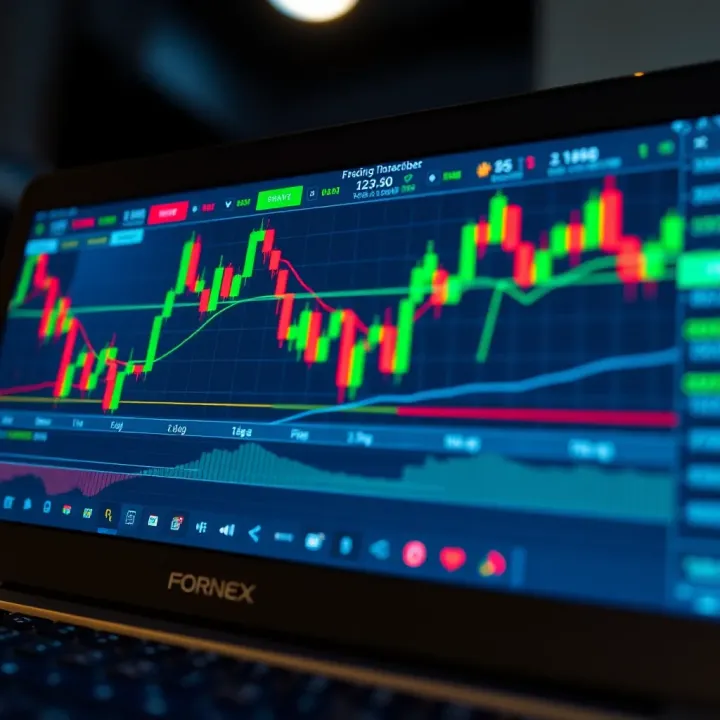
Discover how to pick the best forex broker in Nigeria 🇳🇬 with tips on regulation, platforms, fees, support, and avoiding common mistakes 📈💡
Discover how to meet XM's minimum deposit and start trading smart in Nigeria 🇳🇬. Learn funding options, tips, and key facts to kickstart your trading journey!

Explore how binary brokers operate in Nigeria 🇳🇬, learn to pick trusted brokers, understand risks & regulations, and get tips for safe trading success 📈.
Based on 10 reviews