

Understanding S&P and Its Impact on Nigerian Markets
Discover how S&P influences global and Nigerian markets 📈, impacts investments decisions, and shapes Nigeria's financial sectors for smarter business moves.
Edited By
Isabella Wright
Davinci Jeremie stands out as a prominent creative mind within Nigeria's thriving cultural scene. His work cuts across diverse fields such as visual arts, music production, and digital storytelling, making a visible impact on how Nigerian creativity is perceived internationally. Traders, investors, and entrepreneurs interested in the country’s cultural economy find his journey especially insightful for understanding creative industry growth.
Born and raised in Lagos, Jeremie developed an early passion for the arts, blending traditional Nigerian motifs with contemporary global influences. Unlike many peers who focus narrowly on a single medium, he embraces cross-disciplinary approaches, combining photography, graphic design, and multimedia installations to communicate unique stories.

His career trajectory offers several lessons relevant for investors and analysts watching the cultural sector:
Innovation in Tradition: Jeremie’s projects often reimagine indigenous themes in ways that attract both local and international audiences, bridging the old and new.
Collaborative Ventures: He actively partners with brands and tech startups, including fintech players and digital marketplaces, to create campaigns that enhance brand visibility while promoting Nigerian art.
Scalable Impact: Through workshops and digital platforms, he extends his influence beyond exhibitions, encouraging youth participation and nurturing emerging talent.
Notable accomplishments include securing exhibitions in Lagos and Accra, as well as winning creative awards sponsored by Nigerian cultural bodies. Jeremie’s work has played a part in reshaping Lagos into a cultural hub that draws tourism and investment.
Davinci Jeremie exemplifies how creative professionals can fuel economic growth by aligning artistic passion with savvy business models.
For entrepreneurs and brokers seeking new investment avenues, Jeremie’s evolving portfolio signals opportunities in Nigeria’s creative industries, which are gradually receiving greater recognition across government and private sectors. His ongoing projects promise further contributions that combine art, technology, and culture to stimulate economic value.
This introduction sets the stage for a deeper exploration of his life, career highlights, and influence on Nigeria’s cultural landscape.
Understanding the background and early life of Davinci Jeremie is key to grasping the roots of his creativity and the motivations behind his work. This section sheds light on the cultural and educational influences that shaped his vision, offering investors and entrepreneurs insight into the foundation of his success.
Place of origin and cultural background: Davinci Jeremie hails from the southwestern part of Nigeria, specifically Oyo State, known for its rich Yoruba heritage. This cultural setting is not just a backdrop but a significant influence on his artistic expression, embedding traditional Yoruba motifs and values in his creations. For entrepreneurs, recognising how cultural heritage can fuel innovation offers valuable lessons in leveraging local identity to stand out in creative industries.
Key influences during childhood: Growing up in a bustling family with ties to local artisans and traders, Jeremie was exposed early to the blend of commerce and creativity. His childhood neighbourhood was filled with artisans crafting traditional fabrics and storytellers recounting Yoruba folklore. These experiences instilled in him a deep appreciation for narrative and craftsmanship, qualities that guide his approach to creative projects today.
Formal education pathway: Jeremie attended a reputable secondary school in Ibadan, where he excelled in literature and visual arts. Later, he pursued a degree in Fine Arts at the University of Lagos, a hub for Nigeria's creative talents. His formal education provided both technical skills and exposure to diverse artistic styles, critical for adapting his work to broader markets.
Initial exposure to creative fields: During his university years, Jeremie started collaborating with local theatre groups and filmmakers, which gave him hands-on experience in storytelling and production. This early involvement helped him develop a pragmatic understanding of the creative industry's demands, from project management to audience engagement. For investors and analysts, his trajectory highlights the importance of practical exposure alongside academic training in building a sustainable creative career.
Jeremie’s early life reflects a fusion of cultural pride and educational grounding — a combination that has propelled his contributions to Nigeria's creative economy.
Cultural heritage as a source of innovation
Early artisan environment inspiring craft
Formal arts education providing foundational skills
Practical experience shaping industry acumen
This foundation explains much about Jeremie’s unique artistic voice and his ability to navigate both traditional and modern creative landscapes effectively.
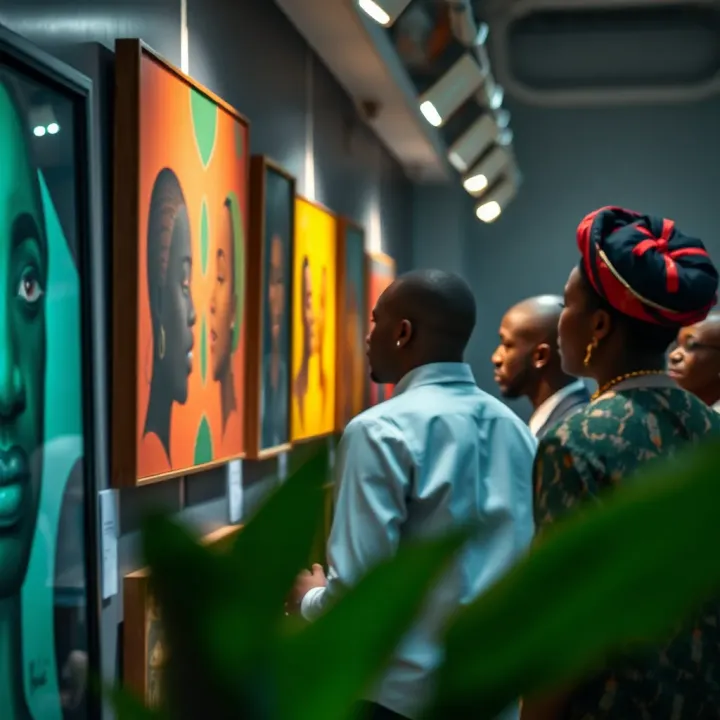
Understanding Davinci Jeremie’s career path and creative development provides crucial insights into how he matured into a prominent Nigerian creative figure. This section highlights the practical steps and challenges that shaped his craft, demonstrating the interplay between persistence and opportunity in Nigeria’s creative industries. For investors, entrepreneurs, and industry analysts, his journey offers lessons on navigating Nigeria’s dynamic creative economy.
Davinci Jeremie’s entry into the creative world was marked by collaborative projects that laid the groundwork for his distinct style. His early works involved partnerships with grassroots artists and local production houses in Lagos, enabling him to grasp market tastes and storytelling techniques unique to Nigerian audiences. These first projects, though modest in scale, helped him build a network and refine his creative approach sustainably.
His collaborations with emerging talents exposed him to diverse creative demands, which is a practical advantage for anyone entering Nigeria’s competitive creative field. For instance, balancing limited budgets with high expectations forced innovative problem-solving—a skill Jeremie carried throughout his career.
However, Jeremie faced several challenges typical in Nigeria’s creative sector. Funding constraints and inconsistent access to professional equipment slowed production quality initially. Navigating the informal market alongside formal players also presented difficulties in intellectual property protection and fair compensation. These hurdles are common and highlight the importance of resilience and local market knowledge for upcoming creatives, especially those seeking to scale their operations.
Jeremie’s breakthrough came through a project that married traditional Nigerian themes with modern digital media, capturing wide attention both inside and outside the country. This work marked his transition from grassroots to national recognition, thanks to its fresh approach to familiar issues like urban life, cultural identity, and youth aspirations. It demonstrated how leveraging local narratives with contemporary tools can resonate deeply, a strategy useful for creatives and entrepreneurs targeting Nigerian and African markets.
Recognition soon followed, with invitations to showcase his work at prominent Nigerian art festivals and online platforms accessible to the African diaspora. This exposure helped cement his reputation beyond Nigeria’s borders, opening doors for international collaborations. Such recognition underscores the potential for Nigerian creatives to tap into both local support and global interest—key for investors eyeing the country’s cultural economy and analysts tracking creative export trends.
Davinci Jeremie’s path shows the value of starting small but thinking big, using local stories as springboards to wider audiences.
In summary, Jeremie’s career progression exemplifies how deliberate early collaborations and overcoming sector-specific challenges lead to meaningful milestones. His journey offers practical insights into the workings of Nigeria’s creative industry and a road map for those seeking to thrive in this space.
Davinci Jeremie has become a key figure in Nigeria's creative space through contributions that not only preserve local culture but also drive fresh narratives. His work captures the pulse of Nigerian society, blending tradition with modernity in a way that resonates widely. This influence helps position Nigerian creativity on the global stage while enriching domestic cultural conversations.
Davinci's style is marked by vibrant, bold colours and a blend of traditional Nigerian motifs with contemporary design elements. He often employs textures and patterns inspired by local fabrics such as Ankara and Aso Oke to ground his work in cultural authenticity. This fusion appeals to both younger and older generations, providing a bridge between heritage and modern expression.
His works are easily recognisable for their energetic compositions and layering techniques. These create a dynamic visual rhythm that echoes Nigeria's diverse sounds—from Afrobeat to Fuji—giving his art a distinctly Nigerian heartbeat. Such artistic choices enhance the practical value of his work by making it highly marketable, especially in the booming fashion and music industries.
Davinci Jeremie consistently explores themes like identity, social change, and community resilience. He highlights everyday Nigerian stories that might be overlooked, such as the hustle of street traders or the vibrancy of market scenes. These presentations challenge stereotypes and invite reflection on the country’s complexities.
For entrepreneurs and investors, understanding his thematic focus offers insight into consumer tastes and cultural trends within Nigeria. His art reflects societal shifts and can signal emerging interests or concerns that businesses should watch. This connection enriches marketing strategies and product developments aimed at Nigerian audiences.
Davinci has steered Nigerian creative trends by blending digital media with traditional aesthetics. His use of social media platforms, especially Instagram and Twitter, to showcase art underlines how new technology can amplify reach. Many emerging artists follow his footsteps, integrating local themes with global digital tools to expand their influence.
This trendsetting role has practical benefits for stakeholders in the creative economy. It encourages investment in digital arts and creative tech startups, which are becoming major sectors in Nigeria’s economy. Davinci’s example shows that authentic storytelling combined with digital savvy can create profitable pathways.
Beyond his artistic output, Davinci Jeremie actively mentors young creatives through workshops and informal coaching. He fosters spaces where newbies can access resources, critique, and networks essential for growth. This grassroots support strengthens the creative ecosystem, increasing the number of quality talents entering markets.
For investors and entrepreneurs, his mentorship initiatives signal healthy grassroots development within the creative sector. Supporting such programmes can lead to discoveries of innovative content creators with commercial potential. Encouraging mentoring also promotes sustainability in Nigerian arts, which is vital for long-term cultural and economic development.
Davinci Jeremie's impact is not just in his art but also in how he nurtures the creative community, pushing Nigerian culture forward with every piece and every helping hand.
This section highlights how his contributions go beyond aesthetics—touching on practical market trends, cultural branding, and community strengthening. These factors make his work especially relevant to those invested in Nigeria’s creative and cultural industries.
This section sheds light on Davinci Jeremie’s current engagements and long-term goals, offering readers a window into his evolving journey as a creative force in Nigeria. Understanding his present projects shows how he continues to influence the creative industry today, while his future plans reveal his commitment to shaping the broader cultural landscape. For traders and entrepreneurs, this insight highlights potential collaborations and investment opportunities associated with fresh initiatives.
Recent releases or exhibitions illustrate how Davinci Jeremie sustains his creative momentum. For instance, his latest photo exhibition showcased in Lagos explored urban life through bold visual narratives that received positive critiques from local art enthusiasts. Such events not only deepen cultural conversations but also create commercial openings for investors and sponsors interested in Nigeria’s growing art scene.
Moreover, these releases keep his brand relevant in a competitive market. They demonstrate continual creative output that appeals to both local and international audiences. This ongoing engagement makes him a reliable figure for partnerships or sponsorship in related sectors like media, fashion, or event management.
Partnerships with other creatives serve as a critical engine for expanding influence and diversifying impact. Jeremie collaborates often with Nigerian musicians, designers, and filmmakers, blending various talents into multidisciplinary projects. These partnerships produce fresh, marketable content that resonates with Nigeria's dynamic youth population.
From a business perspective, such alliances can open doors to cross-industry promotions and joint ventures. For example, teaming up with a renowned fashion designer for a limited edition print series can create unique consumer products that draw affluent buyers looking for authentic Nigerian artistry intertwined with fashion trends.
Upcoming initiatives from Jeremie focus on nurturing grassroots creativity and leveraging digital platforms. He plans to launch an incubator programme targeting young Nigerian artists across Lagos and Abuja, offering mentorship, funding, and digital marketing tools. This initiative promises practical benefits by building capacity and providing structured paths into the competitive creative economy.
Investors and entrepreneurs should note this approach as it may create fertile ground for startups and startups linked to creative industries. Such frameworks can also attract government and private sector support aimed at diversifying Nigeria’s economy beyond oil.
Goals for the Nigerian creative community centre on inclusivity and sustainability. Jeremie envisions a creative ecosystem where emerging talents from less privileged backgrounds gain access to resources, networks, and platforms to showcase their work. He also supports adopting eco-friendly materials and processes to reduce environmental impact while promoting Nigerian culture globally.
This long-term vision encourages stakeholders to consider investments that combine social impact and profitability. It highlights the need for infrastructure development, skill acquisition, and market access. Consequently, those involved in policy and business can align strategies with these goals to foster a thriving, responsible creative industry in Nigeria.
Davinci Jeremie’s current efforts and future ambitions offer a roadmap not just for artists but also for entrepreneurs and investors aiming to participate in Nigeria’s rich and evolving creative landscape.
Discover how S&P influences global and Nigerian markets 📈, impacts investments decisions, and shapes Nigeria's financial sectors for smarter business moves.
📈 Discover Infinox's minimum deposit rules and how Nigerian traders can fund accounts via local payment methods. Learn to invest safely amidst Naija's economic shifts! 💰

🚀 Discover how Nigerian innovators can access funding and mentorship via the FundedNext Competition. Learn application tips, judging criteria, and more to boost your startup success!

Explore Binary.com trading in Nigeria 🇳🇬: setup, security tips, and trading types. Get ready to trade smarter with practical advice and insights! 💼📊
Based on 7 reviews