
How to Choose the Best Trading Broker in Nigeria
📊 Discover how to choose the best trading broker in Nigeria by comparing regulations, platforms, fees, assets, and support to fit your trading style. 🇳🇬
Edited By
Sophie Clark
Creating a broker website for the Nigerian market demands more than a slick design; it requires a deep understanding of local financial habits, regulatory needs, and user expectations. Nigerians are increasingly moving online for investment and trading, so your platform must combine ease of use with strong security and compliance.
Focus first on the core elements that users expect. A clear, responsive interface that works well on mobile devices is non-negotiable, given the high use of smartphones for internet access across Nigeria. Features like real-time price updates, simple registration using BVN (Bank Verification Number), and quick verification through NIN (National Identification Number) improve trust and convenience.
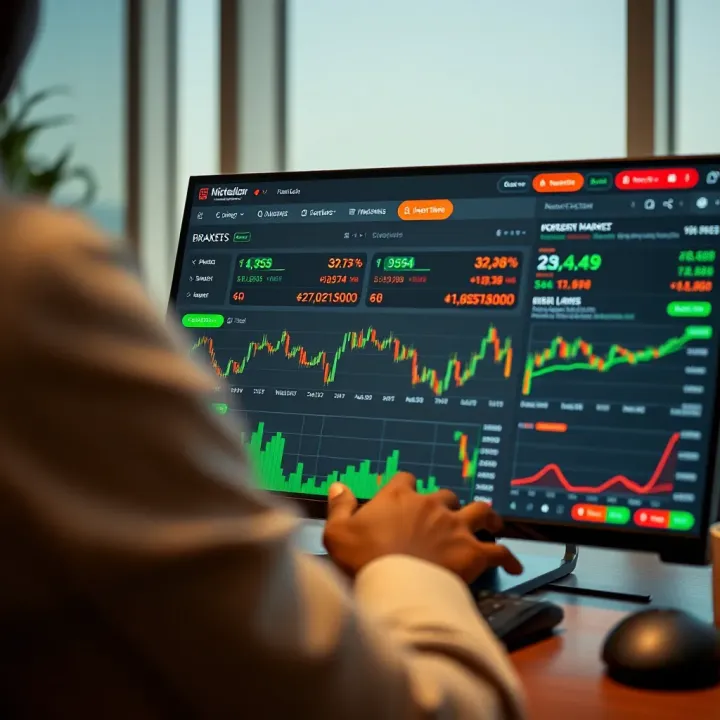
Security comes next. Users trust broker websites with sensitive data and money, so implementing SSL certificates, two-factor authentication, and robust encryption is critical. Also, your site must comply with the Nigerian Securities and Exchange Commission (SEC) rules and Central Bank of Nigeria (CBN) policies to avoid penalties or bans.
The Nigerian investor often values personalised notifications and education. Tools that notify users of market shifts, trading tips, or changes in government policy affecting markets help build loyalty. Integrating Nigerian financial news and updates from sources like the NGX (Nigerian Stock Exchange) adds local relevance.
A broker website that combines local compliance, practical security, and user-friendly design will stand out in Nigeria's competitive finance space.
To attract clients, consider offering flexible account types that reflect Nigerian income diversity—from small retail investors to corporate clients. Showing fees and charges transparently helps build confidence.
Lastly, anticipate common challenges such as unreliable internet access in some regions or the prevalence of power outages. Optimising website speed and enabling offline features where possible can improve user experience even under these limitations.
In summary, building a Nigerian market-centric broker website means understanding local regulations, designing for mobile-first use, embedding strong security practices, and tailoring content and services to Nigerian investors’ needs. With these in place, your platform can earn trust and compete effectively.
Every successful broker website serving the Nigerian market must include a solid set of core features to meet user needs effectively. These features provide users with clear, secure, and efficient ways to manage their investments while also offering resources that enhance trading knowledge. Below, we explore the essentials.
User registration and verification processes are the gatekeepers of a trustworthy broker platform. Efficient onboarding involves straightforward signup forms combined with biometric or document-based verification aligned with Nigeria's KYC (Know Your Customer) rules. This ensures compliance with regulatory bodies like SEC Nigeria and protects users from fraud. For example, integrating BVN (Bank Verification Number) checks during registration adds credibility and eases customer due diligence.
Real-time market data and quotes are non-negotiable for traders who need up-to-the-minute information to make sound decisions. Websites must offer live price feeds for stocks, forex, and commodities, ideally with visual charts and alerts. This data helps users spot market trends instantly, especially crucial in Nigeria where currency and commodity prices like crude oil shift frequently.
Trade execution platforms and order types must be versatile and reliable. Users expect options such as market orders, limit orders, and stop-loss to manage risk appropriately. Fast and error-free execution keeps trust intact. For instance, mobile-friendly platforms that allow quick placing and reviewing of orders fit Nigeria's on-the-go trading habits driven by smartphone penetration.
Tutorials and guides for beginners break down complex trading concepts into simple terms, valuable in a country where many new traders enter the market daily. Step-by-step instructions on how to place trades, read charts, or understand financial terms help users build confidence.
Daily market news and insights keep traders informed about local economic policies, NGX developments, or global events affecting Nigerian markets. Brief, well-curated updates save time for busy investors.
Webinars and video content allow brokers to engage users interactively. Nigerian audiences benefit from live sessions where experts discuss strategies or answer questions, enhancing learning beyond static articles.
Live chat and chatbot options offer instant assistance, reducing frustrations over complex processes like fund withdrawals or technical glitches. AI-powered chatbots can handle common enquiries swiftly, freeing human agents for more complex issues.
Local Nigerian helpline numbers provide a sense of reliability and accessibility. Knowing they can call a number with local support boosts user confidence, especially among traditional clients less comfortable with digital-only services.
Email and ticketing system remain vital for non-urgent problems requiring documented resolution. Clear workflows that update users on their issue’s status improve overall satisfaction and trust.
A broker website that integrates these core features addresses practical needs while respecting local realities. This solid foundation attracts serious traders and nurtures loyalty in Nigeria’s dynamic financial market.
Design plays a big part in how Nigerian users interact with a broker website. Since the market here is unique, the site must suit local habits, preferences, and limitations. A well-designed user experience encourages trust and loyalty, which are vital in financial services. That means making the interface simple, accessible on smartphones, and culturally relevant without losing professionalism.
Most Nigerians access the internet primarily through smartphones, not desktop computers. As such, broker websites must be optimised for mobile devices to offer a smooth experience. This means the site should adapt automatically to various screen sizes, whether it's a basic Android phone or an iPad. For example, buttons should be large enough to tap easily, and charts or data should rearrange neatly to fit narrower screens.
Fast loading times are just as important because many Nigerian internet connections are unstable or slow, especially outside urban centres. A heavy website full of large images or complex scripts will frustrate users trying to access trading information on 3G or even slower connections. Efficient coding, compressed images, and caching strategies help reduce load times. For instance, a broker site that loads market data within a couple of seconds on a 2G network stands a better chance of retaining users outside Lagos or Abuja.
Simple menus with familiar terms make navigating a website straightforward. Nigerian users often value clarity over flashy design. Using straightforward labels like 'My Account', 'Trade Now', and 'Market News' helps avoid confusion. Avoid jargon or complicated phrases that may alienate beginner traders or those new to online investing.
Beyond layout, communications should use Nigerian English naturally to the audience. For example, opting for spelling patterns and vocabulary common in Nigerian business circles helps make content clearer. Instead of using terms like “utilise” or “commence”, saying “use” and “start” resonates better. This approach keeps users comfortable and encourages repeated visits.
Including local examples in tutorials or market analysis builds connection. For instance, referencing the NSE (Nigerian Stock Exchange) alongside global markets makes content feel relevant and grounded. Using financial stories or case studies involving Nigerian companies or sectors—like oil and gas, agriculture, or fintech startups—adds tangible value.
At the same time, cultural sensitivities must be respected. This means avoiding imagery or statements that might unintentionally offend religious, ethnic, or regional groups. On occasion, certain colours, symbols, or phrases carry special meanings in Nigeria that a global template might overlook. Careful localisation ensures users feel respected and that the platform understands their context.
A broker website designed for Nigerian users must marry technical efficiency with cultural understanding to truly succeed. Mobile optimisation, straightforward navigation, and culturally nuanced content form the backbone of a trusted digital financial service in Nigeria.
Mobile-first design that adapts well across device types is non-negotiable
Load speed optimisation boosts accessibility across diverse internet qualities
Navigation should rely on clear, familiar Nigerian English terms
Local examples and cultural awareness strengthen user engagement and brand trust
With these pointers, a broker website will be well-positioned to connect authentically and effectively with Nigerian traders and investors.
The importance of security and regulatory compliance for broker websites in Nigeria cannot be overstated. Without proper safeguards and adherence to legal standards, user trust crumbles quickly, which directly affects client retention and business reputation. Given Nigeria's rapidly growing digital economy alongside rising cybercrime trends, platforms offering brokerage services must prioritise safeguarding personal and financial data while strictly following local regulations.
Secure encryption of personal and financial data is vital for any broker website. When users submit their details—like bank information or identification numbers—this data must be shielded using strong encryption protocols such as SSL/TLS. This ensures that sensitive info remains confidential during transmission and storage, preventing unauthorised access by hackers. For example, a broker handling customer Bank Verification Numbers (BVN) must use encryption to avoid data leaks, thus protecting clients from identity theft.
Compliance with Nigeria Data Protection Regulation (NDPR) is mandatory for operating legally. Established by the National Information Technology Development Agency (NITDA), NDPR sets rules for collecting, processing, and storing personal data of Nigerian citizens. Following NDPR requirements means broker websites must obtain clear consent, provide transparent privacy notices, and allow users to control their data. Non-compliance risks hefty fines and damages brand credibility — something no broker can afford in a competitive market.
Meeting Securities and Exchange Commission (SEC) standards ensures brokers operate under recognised guidelines tailored to the Nigerian capital market. Licensing with SEC involves submitting operational plans, demonstrating financial stability, and proving competence through key personnel qualifications. This process helps curb fraudulent practices and reassures clients their funds and investments are safe under regulated supervision.
Adhering to Central Bank of Nigeria (CBN) guidelines is also crucial, especially as brokers often interact with financial institutions or handle transactions in naira. CBN regulations cover areas like foreign exchange operations, anti-money laundering (AML), and payment system rules. Brokers compliant with CBN policies avoid legal clashes and help maintain smooth payment flows, which is essential given Nigeria's strict monitoring of cross-border financial movements.
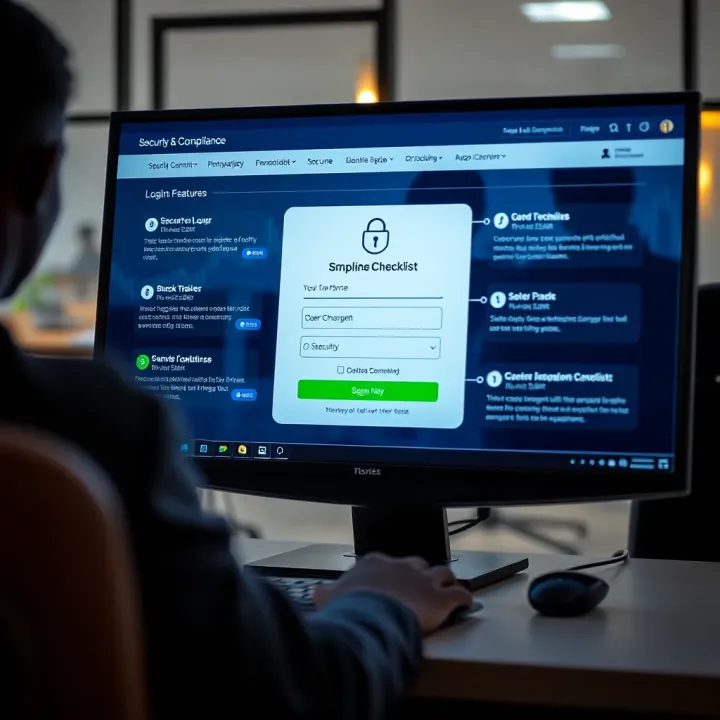
Two-factor authentication (2FA) adds an extra layer of security beyond passwords. For Nigerian brokers, 2FA might involve sending a one-time password (OTP) to a user’s mobile phone or requiring biometric verification. This reduces the chance of unauthorised logins, especially important considering the prevalence of SIM swap fraud and phishing attempts targeting Nigerian users.
Monitoring and timely alerts for suspicious activity allow brokers to detect and respond quickly to unusual patterns, such as multiple failed login attempts or instant large withdrawal requests. Software tools that analyse behavioural data can flag risks, enabling immediate account freezes or notifications to clients. This proactive stance builds confidence, reassuring Nigerian investors that their assets are being vigilantly protected.
A robust combination of security technologies and adherence to Nigerian regulations helps broker websites build trust, avoid costly penalties, and deliver a seamless, safe experience to users.
In all, security and compliance are foundations for sustainable growth in Nigeria’s broker market. Brokers that invest upfront in these areas won’t just meet legal demands—they’ll earn client loyalty and stand out in a crowded field.
Attracting and keeping clients is fundamental for any broker website aiming to thrive in Nigeria's fast-growing financial landscape. With rising competition from both traditional brokers and fintech platforms, Nigerian investors expect not just a reliable service, but one that speaks directly to their needs and cultural context. The more effectively a broker site connects with local users, the higher the chances of building lasting relationships and expanding market share.
For a broker website, ranking well on Google during searches like “invest in Nigerian stocks” or “how to trade on NGX” makes all the difference. SEO strategies should target keywords relevant to Nigerian investors, incorporating local financial terms and concerns. For instance, optimising content around terms like “₦ trading account”, “NGX investment tips”, or “CBN forex policy impact” attracts precisely the audience looking for brokerage services.
Developers should also consider geo-targeted SEO, ensuring their site appears in searches conducted from Nigeria. This can include tailoring meta tags, descriptions, and content to resonate with Nigerian economic news and using local languages or Nigerian English phrases appropriately. Such focus improves organic traffic quality, making the marketing effort more cost-effective and measurable.
Social media remains a dominant communication channel in Nigeria, with platforms like WhatsApp, Instagram, and Facebook serving millions daily. Broker websites that actively engage users through tailored content on these networks create awareness and foster community trust. WhatsApp groups, for example, can be used to share timely market alerts or quick guides, helping users feel supported and informed.
On Instagram, sharing educational snippets, client success stories, or short explainer videos taps into Nigeria’s youthful, visually-driven audience. Collaborating with local fintech influencers can amplify reach and provide social proof. Since many Nigerians rely on mobile data, optimising social media content to be light yet engaging ensures information gets across without high data costs.
Clarity around fees is a top priority for Nigerian investors, especially given the variability of the naira and the prevalence of hidden charges in many sectors. Broker websites should list all fees transparently in naira, including commissions, withdrawal charges, and account maintenance costs. This approach avoids surprises and builds credibility.
For example, stating a flat ₦500 charge per trade or a 0.05% commission explicitly helps investors calculate costs upfront. Avoiding terms like "variable charges" without explanations prevents mistrust. Transparent pricing is especially important for retail clients with limited capital, who monitor charges closely.
Offering promotions can incentivise new sign-ups and encourage existing clients to stay loyal. For instance, a broker might launch a time-limited zero-commission period on certain stocks or offer bonus credits for first-time deposits. Referral bonuses — say ₦1,000 credited for every friend brought onboard who completes a trade — leverage existing clients to grow the user base affordably.
Such programmes work well in Nigeria’s word-of-mouth culture, giving users a tangible reason to recommend the platform. Regular promotions timed around ember months, when spending generally spikes, can also boost trading activity and client engagement.
Showcasing real reviews helps potential clients feel confident in choosing a broker. Websites should integrate verified testimonials from Nigerian users, ideally with basic details like first names, cities, and trading experiences. This authenticity matters more than generic praise.
For example, a detailed testimonial explaining how the platform helped a Lagos-based retail investor enter the fixed income market conveys practical benefits. Avoid anonymous or fake reviews, which Nigerians quickly spot and discount.
Fast, transparent responses to questions or complaints strengthen trust and long-term retention. A broker site that answers queries on live chat or social media within minutes demonstrates reliability, which is often the difference between keeping or losing a client.
For instance, promptly addressing issues like deposit delays or troubleshooting login problems gives clients confidence the platform values their business. Such responsiveness often leads to positive word of mouth and repeat usage.
Building and maintaining trust with Nigerian clients requires more than just a good website—it demands clear communication, local awareness, and consistent support throughout the user journey.
Running a broker website in Nigeria presents a mix of unique challenges that demand practical solutions tailored to local conditions. Understanding these issues upfront helps build platforms that deliver seamless user experiences and maintain compliance. This section highlights three major hurdles – currency volatility and payment systems, internet connectivity limitations, and regulatory changes – and provides actionable ways to tackle them.
The frequent fluctuations of the naira directly affect transaction stability on broker websites. Sudden drops in value can cause pricing discrepancies and affect client trust. To manage this, brokers should implement dynamic pricing systems that adjust trade fees or currency conversions based on daily exchange rates. This prevents losses from naira depreciation and keeps fees fair.
On top of that, issuing clear notices or alerts regarding rate changes helps users understand shifts in charges. For example, if ₦100,000 worth of an asset suddenly requires more naira due to depreciation, explaining this on the platform reduces complaints and boosts transparency.
Integrating local payment methods like USSD codes and bank transfers is another essential move. Many Nigerians rely on USSD for quick, offline payments. Broker sites that support USSD transactions via banks like GTBank or Access Bank cater to clients without smartphones or internet access. Also, linking bank transfers with popular banks streamlines deposits and withdrawals, minimising delays.
Flexible, local payment integrations also encourage more Nigerians to participate in investment activities by reducing friction. It’s no surprise that fintech companies like Paystack and Flutterwave thrive partly because of their smooth local payment solutions.
Nigeria’s varied internet quality demands broker websites adapt with low-bandwidth modes or even offline features. Offering a stripped-down website version with minimal graphics and compressed data lets clients trade or check portfolios even on 2G or unstable connections. Offline capabilities might include transaction preparation that syncs once connectivity restores.
Optimising site performance is equally critical. Techniques such as lazy loading, compressing images, and caching reduce load times drastically. For instance, a broker site might preload core data and delay non-essential content until after the initial page is visible, ensuring quick access despite slow networks.
By designing with such connectivity realities in mind, broker websites avoid frustrating users who would otherwise abandon transactions or switch to competitors.
Compliance in Nigeria’s financial sector is under constant revision, so brokers must monitor evolving rules from the Securities and Exchange Commission (SEC) and Central Bank of Nigeria (CBN). Ongoing compliance monitoring through dedicated teams or legal counsel helps spot changes early, allowing prompt system updates.
Regularly updating terms and conditions to reflect new regulations reinforces trust and legal safety. Transparent communication around these updates on the website ensures clients understand their rights, responsibilities, and any operational changes.
Brokers that stay ahead on compliance reduce risks of sanctions and safeguard client funds, which is fundamental in building long-term credibility.
In summary, addressing currency volatility, overcoming connectivity hurdles, and keeping pace with regulations are vital for any Nigerian broker website striving for stability and growth. Taking these challenges seriously ensures users enjoy a reliable, secure, and user-friendly investment platform.
📊 Discover how to choose the best trading broker in Nigeria by comparing regulations, platforms, fees, assets, and support to fit your trading style. 🇳🇬

Find the best broker in Nigeria 🇳🇬 with this practical guide! Learn how to pick reliable brokers, understand fees, platforms, regulations, & avoid pitfalls.
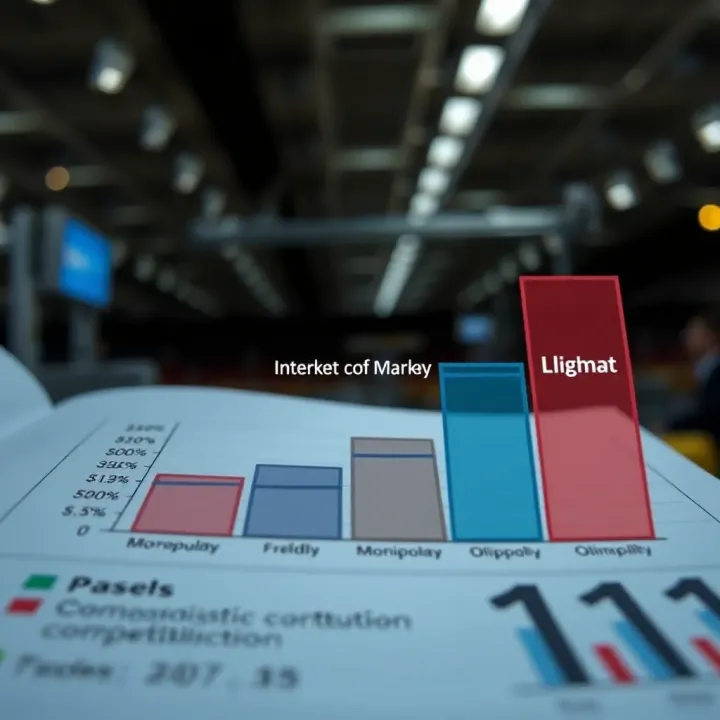
Explore market structures like perfect competition, monopoly, monopolistic competition & oligopoly in Nigeria 🇳🇬. Understand their impact on businesses and consumers 📊.

Explore how agency securities shape Nigeria's financial market 📈. Learn their types, benefits, risks, and tips for smart investing in the economy 💼.
Based on 15 reviews