

TradingView Guide for Nigerian Traders: Features & Tips
📈 Discover how TradingView empowers Nigerian traders with advanced charting, market analysis, and custom setups. Boost your trading skills today!
Edited By
James Thornton
Binary options trading has gained traction among Nigerian traders for its straightforward approach to profit from market movements in fixed timeframes. However, success in this field hinges on sharp analysis and quick decision-making. This is where TradingView comes into play, offering robust charting tools that help make sense of market data.
TradingView is a widely used platform that provides real-time financial charts, technical indicators, and customisable layouts. For Nigerian traders involved in binary options, it serves as a valuable resource to spot entry and exit points with more confidence. Its user-friendly interface means even those new to charting can grasp key market trends swiftly.
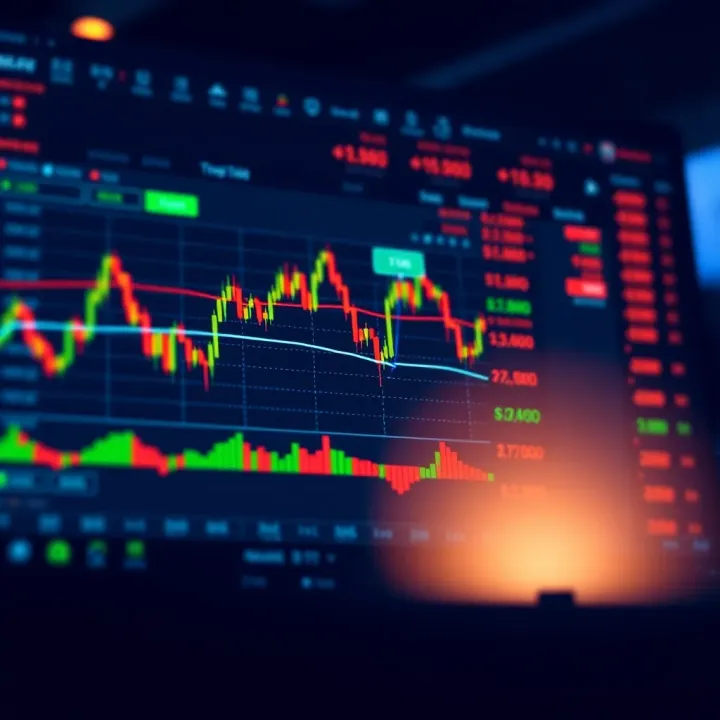
By combining the simplicity of binary options with TradingView’s rich analytical features, traders can improve accuracy and control risks effectively. For example, instead of blindly guessing whether a currency pair’s value will rise or fall within 15 minutes, using TradingView’s candlestick patterns and RSI (Relative Strength Index) indicator gives traders a clearer picture of momentum and possible reversals.
This guide will walk you through how to navigate TradingView, highlight essential indicators suited for binary trading, and share practical strategies to manage your investment safely. You’ll also learn how to avoid costly mistakes common among beginners and make the most out of your trades in Nigeria’s vibrant but volatile markets.
Understanding the market beats luck any day. Using tools like TradingView can tilt the odds in your favour, helping you trade smarter, not harder.
Binary trading is attractive partly because trades are simple to place and returns fixed, but without a solid analysis foundation, losses mount quickly. TradingView equips you with the charts and data to spot patterns, verify trends, and pick moments with higher probabilities of success.
Throughout this article, expect clear examples relevant to the Nigerian trading environment. Whether you’re trading forex pairs like USD/NGN or commodities like crude oil, understanding how TradingView supports decision-making can enhance your results.
Next, we will break down binary options basics before diving deep into TradingView’s tools designed to elevate your trading game.
Understanding the foundation of binary trading and how TradingView fits into this picture is essential for Nigerian traders aiming to make smart investment decisions. Binary trading offers a straightforward approach to speculating on market movements, while TradingView equips traders with powerful charts and analysis tools to back their choices.
Binary trading involves predicting whether the price of an asset, such as forex pairs, crude oil, or stocks listed on the Nigerian Stock Exchange (NGX), will rise or fall within a specific period. Instead of buying or selling the asset outright, you bet on a simple yes/no outcome. For instance, if you believe the price of the NGX index will rise in the next 15 minutes, you place a 'call' option. If correct, you earn a fixed return; if wrong, you lose your stake.
This clarity makes binary trading popular among beginners in Nigeria who want quicker exposure to market action without the complexity of traditional trading. However, the risk is high, so combining it with solid market analysis minimizes losses while maximising gains.
TradingView is a widely used online platform that offers advanced charting features and social networking tools for traders worldwide. Its interactive charts allow you to view price movements in real time across multiple markets, from global forex pairs to commodities and equities. Traders in Lagos, Abuja, and other Nigerian cities rely on its user-friendly interface to spot trends and potential reversals with ease.
One standout feature is its ability to add technical indicators like moving averages, RSI, and Bollinger Bands seamlessly. Plus, you can customise timeframes and draw trend lines directly on charts—a big help when analysing the market.
For a Nigerian trader, integrating TradingView into binary trading provides a clearer picture of market behaviour before committing funds. Unlike relying on basic broker charts, TradingView delivers richer data and more accurate signals, helping traders avoid blind guesses.
Moreover, TradingView’s alerts and notifications keep you updated on price actions or indicator changes, which is crucial given the fast-paced nature of binary options. For example, you can set an alert when the US Dollar to Nigerian Naira (USD/NGN) pair hits a certain level, enabling timely binary trades.
Combining TradingView’s analytical depth with binary trading’s simplicity helps Nigerian traders sharpen their strategies, manage risks better, and approach markets with more confidence.
By understanding these basics, you set a solid groundwork to navigate binary trading confidently using TradingView, making your trading journey more profitable and less stressful.
Setting up TradingView properly is the first step toward making informed binary trading decisions. Nigeria's market dynamics demand that traders use precise tools, and TradingView offers a platform flexible enough to suit these needs. Getting familiar with the platform’s registration, navigation, chart customisation, and essential features will save you time and avoid unnecessary errors in your trades.
Starting with TradingView requires creating a free account, which only takes a few minutes. Provide your email, set a password, and verify your account through the confirmation mail. Once logged in, you’ll encounter the dashboard that gives access to live charts, watchlists, and news feeds. The sidebar on the left lets you search and switch between different markets—stocks, forex, cryptocurrencies, and commodities.
Navigating is quite straightforward. For binary traders, selecting the right asset and switching between timeframes quickly is vital. Make use of the 'Watchlist' feature to monitor assets of interest, such as USD/NGN forex pairs or NSE-listed stocks relevant for binary options. Spending some time clicking through the menus will build your confidence, letting you spot opportunities faster.
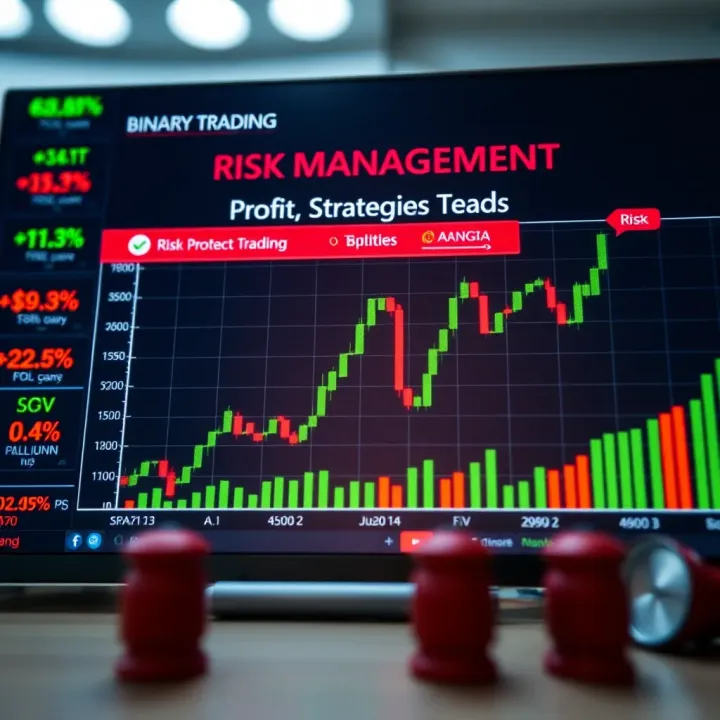
Charts are the heart of analysis, and TradingView offers rich options to tailor them to binary trading needs. You can change chart types—from traditional candlesticks to Heikin Ashi or line charts—depending on what clarifies price movement best for you.
Colours and indicators can be adjusted to suit your visual preferences, improving clarity during intense trading sessions. For example, setting candlesticks in green and red helps identify bullish and bearish trends quickly. Being able to save chart layouts means you won’t have to recreate the settings for every login, which is especially handy during volatile Abuja market hours.
Timeframes suited for binary trades play a key role in decision-making. Binary options often require holding trades for short durations—minutes or a few hours. TradingView supports timeframes as short as one minute, which helps when trading quick expiry contracts. A 5-minute or 15-minute chart can reveal trend shifts and entry points, especially during Nigeria’s active market sessions.
Drawing tools and trend lines help you track support and resistance levels, which indicate where price might reverse or break out. Tools like horizontal lines, trend channels, and Fibonacci retracements sharpen your insight on price behaviour. For example, drawing trend lines on the NGX index chart could show where bullish momentum pauses, guiding your binary call or put decisions.
Alerts and notifications save time and prevent missed opportunities. Instead of staring at charts all day, set alerts on specific price levels or indicator crossovers. When the NAIRA/USD rate hits a certain level, TradingView sends a push notification or email, so you act promptly. This feature is especially useful for traders juggling multiple assets or working in busy environments.
Putting effort into setting up and customising TradingView equips Nigerian binary traders with tools that match local market rhythms and trading styles, enhancing chances to trade smart and profitable.
Using technical indicators on TradingView can significantly boost the chances of success in binary trading. These indicators help Nigerian traders read market trends, gauge momentum, and spot potential price reversals with more confidence. Unlike guesswork, indicators provide data-driven insight — making them crucial tools, especially given the fast-paced nature of binary options where timing is everything.
Moving averages smooth out price fluctuations to reveal the underlying trend. In binary trading, the two common types are the Simple Moving Average (SMA) and the Exponential Moving Average (EMA). For example, if the price crosses above the 20-period EMA on a currency pair like USD/NGN, this might signal a bullish uptick that traders can act on. Nigerian traders often use moving averages to confirm the direction of short-term trades, reducing the risk of hasty decisions during volatile sessions.
RSI measures the speed and change of price movements to identify overbought or oversold conditions. When RSI climbs above 70, the asset might be overbought, suggesting a likely dip soon; below 30 signals oversold conditions, hinting at a potential rise. On TradingView, setting the RSI to a 14-period is common practice. Suppose you notice RSI hitting 80 on a stock like Dangote Cement during a midday trade — this alerts you that the price could reverse shortly, a useful cue for binary options expiring in minutes.
Bollinger Bands consist of a middle moving average with upper and lower bands plotted at standard deviations away. They capture market volatility: bands widening indicate higher volatility; narrowing shows a calm market. Nigerian traders can use Bollinger Bands to identify breakout opportunities. For instance, if the price of a commodity like crude oil breaks above the upper band during active trading, it may signal a strong upward trend, suggesting a binary call option.
Relying on a single indicator can be risky. Traders often combine moving averages, RSI, and Bollinger Bands for better accuracy. If the moving average shows an uptrend, RSI confirms oversold conditions, and Bollinger Bands indicate a band squeeze releasing upward, these aligned signals strengthen the confidence to take a binary call trade. This layered approach reduces false signals, which are common during Nigerian market hours with fluctuating liquidity.
Effective use of key technical indicators on TradingView equips Nigerian traders with actionable data, making binary trading less of a gamble and more of a calculated endeavour.
By mastering these indicators, you position yourself to spot reliable entry and exit points tailored for binary options' short expiry times. Remember, practice and careful observation on TradingView will sharpen your ability to interpret these signals properly.
Using TradingView for binary options trading in Nigeria offers great opportunities, but it’s not without risks. Solid strategies combined with disciplined risk management help traders protect their capital and increase chances of consistent profit. On TradingView, you can spot patterns, monitor trends, and set alerts, which all feed into better strategy execution and risk control.
Trend following is a straightforward approach where you trade in the direction the market is moving. If the price is climbing steadily on a chart, a trader might buy a call option expecting the asset to go higher. For example, if the Naira/USD rate shows an upward trend on TradingView’s 1-hour chart, a trader might open a call binary option anticipating the trend to continue for the next hour. This helps align your trades with market momentum, reducing the guesswork.
Breakout trading focuses on when the price moves beyond a key support or resistance level, signalling potential strong price moves. Say, the price of a stock listed on the NGX has been stuck between ₦100 and ₦110 for days. A breakout above ₦110 could indicate a strong buying move, prompting a call option purchase. TradingView’s drawing tools help mark these levels clearly so traders can react promptly.
Reversal strategies look for signs the current trend is about to change direction. For instance, a bearish reversal might be detected using RSI (Relative Strength Index) showing overbought conditions, suggesting prices may drop soon. Nigerian traders using TradingView can spot such signals early and place put options before a downturn starts. This approach works well in markets with frequent fluctuations.
One key risk control is never staking too much on a single trade. For example, if you have ₦50,000 for trading, risk only 1–2% (₦500–₦1,000) per binary option. This prevents large losses wiping out your account from one bad call. TradingView helps by providing clear entry points, reducing impulsive trades that often blow capital.
Though binary options have fixed expiry, understanding where to set stop-loss or take-profit levels on broader trades can improve overall portfolio management. Setting limits on possible losses or gains protects you from emotional trading and huge swings. While binary trades settle on expiry, pairing these with spot market knowledge from TradingView charts helps you recognise when to enter or exit trades effectively.
Sticking to your plan matters more than chasing quick wins. Many Nigerian traders lose capital because they overtrade or ignore signals. TradingView’s alert features can remind you when conditions for your strategy are met, helping you avoid random trades. Being disciplined means accepting small losses and waiting for the right moments, which builds long-term success.
Successful binary trading is less about luck and more about using clear strategies backed by solid risk management. TradingView equips Nigerian traders with the tools to achieve this balance.
By combining smart strategies with controlled risk, you improve your odds in the binary trading space. Using TradingView cleverly can give that edge most traders need.
Trading binary options with TradingView offers a powerful edge, but success in Nigeria’s unique market requires more than just knowing the tools. Practical tips tailored for Nigerian traders help bridge the gap between theory and everyday realities. These tips sharpen your approach, protect your capital, and keep you ahead despite local challenges.
Up-to-date, trustworthy market data is the backbone of any trading strategy. For Nigerian traders, relying on free data feeds without checking their source can lead to bad decisions. Platforms like TradingView provide quality data, but always cross-check with local financial news sources such as BusinessDay or Nairametrics for insights on naira fluctuations, CBN monetary policies, or NSE listings.
Financial events in Nigeria — like CBN’s interest rate changes or fuel subsidy announcements — often move markets sharply. Staying informed requires using Nigerian-focused news apps and subscribing to reliable alerts. For example, during ember months, market volatility tends to spike, so traders should pay extra attention to timely updates to avoid surprises.
"An informed trader reduces guesswork. Local news combined with TradingView’s charting signals puts you in the driver’s seat."
Not all binary brokers offer seamless integration with TradingView or operate with proper licences. Nigerian traders should prioritise brokers registered with the Securities and Exchange Commission (SEC) Nigeria or those known for transparency and solid customer support.
Look out for brokers that clearly list compatible platforms, fast execution speeds, and permanent withdrawal records. For instance, some Nigerian traders prefer global brokers like IQ Option or RaceOption because they offer TradingView integration and support naira deposits. Avoid brokers promising exorbitant returns without proof — these often lead to losses.
Make a habit of checking online reviews, regulatory status, and withdrawal testimonials before settling on a broker. Using a trusted broker ensures your funds and data stay safe while you use TradingView to analyse market entry and exit points.
Nigeria’s power supply, internet speed, and device availability shape your trading experience. Power outages and spotty broadband connections can interrupt trades or prevent you from reacting quickly to chart alerts.
To adapt, Nigerian traders often use backup power solutions like inverters or power banks and prefer mobile data bundles from strong networks such as MTN or Airtel that offer better stability. TradingView’s lightweight mobile app lets you monitor charts even during travel or Lagos traffic jams.
Besides infrastructure, currency volatility can affect your payouts and trade sizes. Adjust trade amounts to avoid overexposure during naira dips. Lots of traders also diversify times of trading — avoiding high-volatility periods early morning or late evening when data might lag.
Lastly, combine TradingView’s insights with local market intuition. An example is factoring in how ember months or election seasons affect sectors like agric or oil before placing binary options trades.
Practical awareness, from reliable data to technology readiness, empowers Nigerian traders to use TradingView confidently and profitably in the complex binary trading field.
📈 Discover how TradingView empowers Nigerian traders with advanced charting, market analysis, and custom setups. Boost your trading skills today!
Explore Binary.com’s key features and how Nigerian traders can use the platform wisely 🤑. Get tips on navigating binary options safely in Nigeria 🇳🇬.

📊 Compare TradingView and Deriv.com to find the best trading platform for Nigerian traders. Discover tools, features, and support for smarter trading decisions!
🇳🇬 Nigerian traders: Discover how to use TradingView + Deriv together for smarter trades. Learn setup, features, and tips to boost your trading success! 📈
Based on 6 reviews